Skip to content

Prinzhoferhaus (Prinzhofer House)

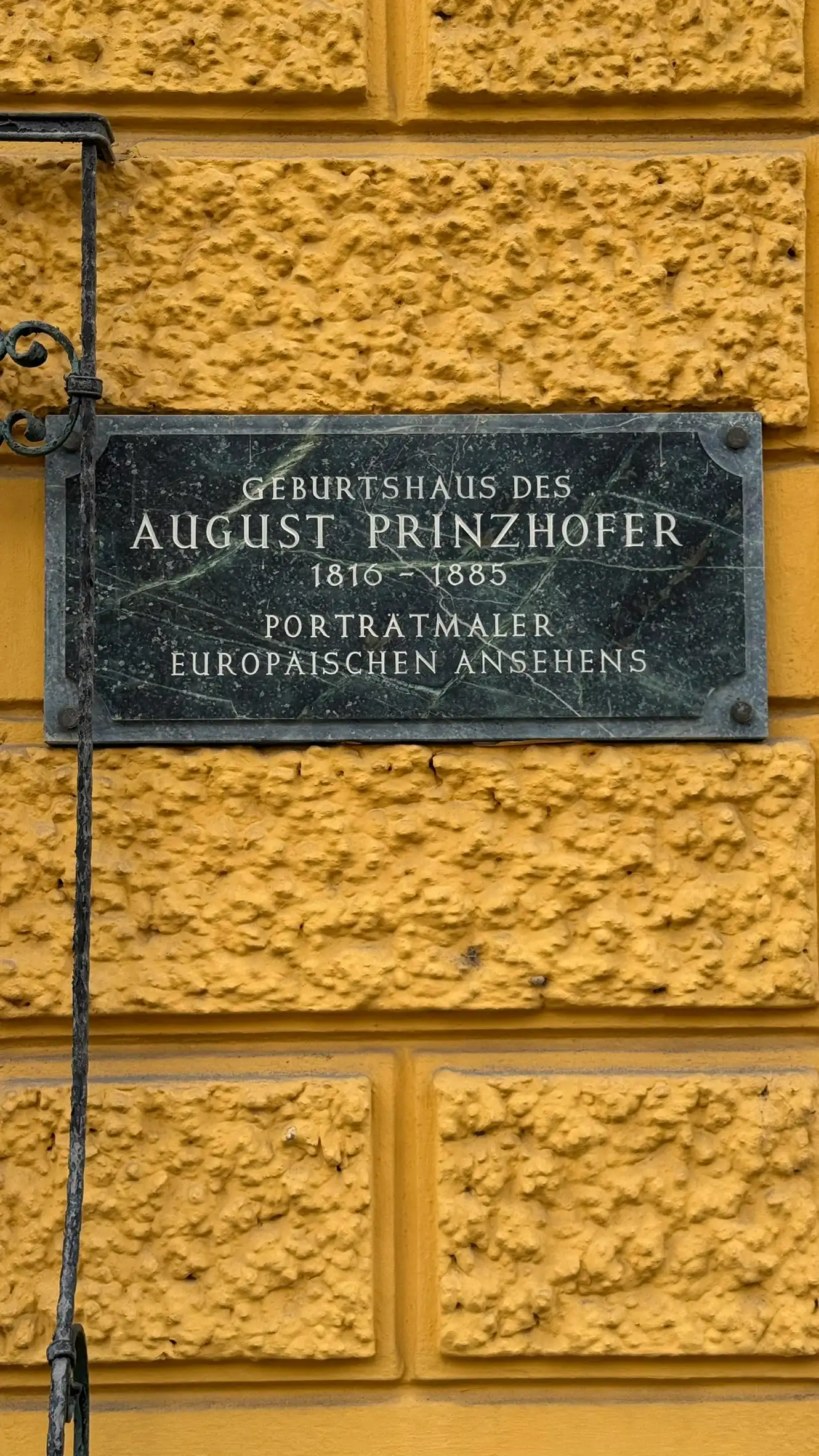
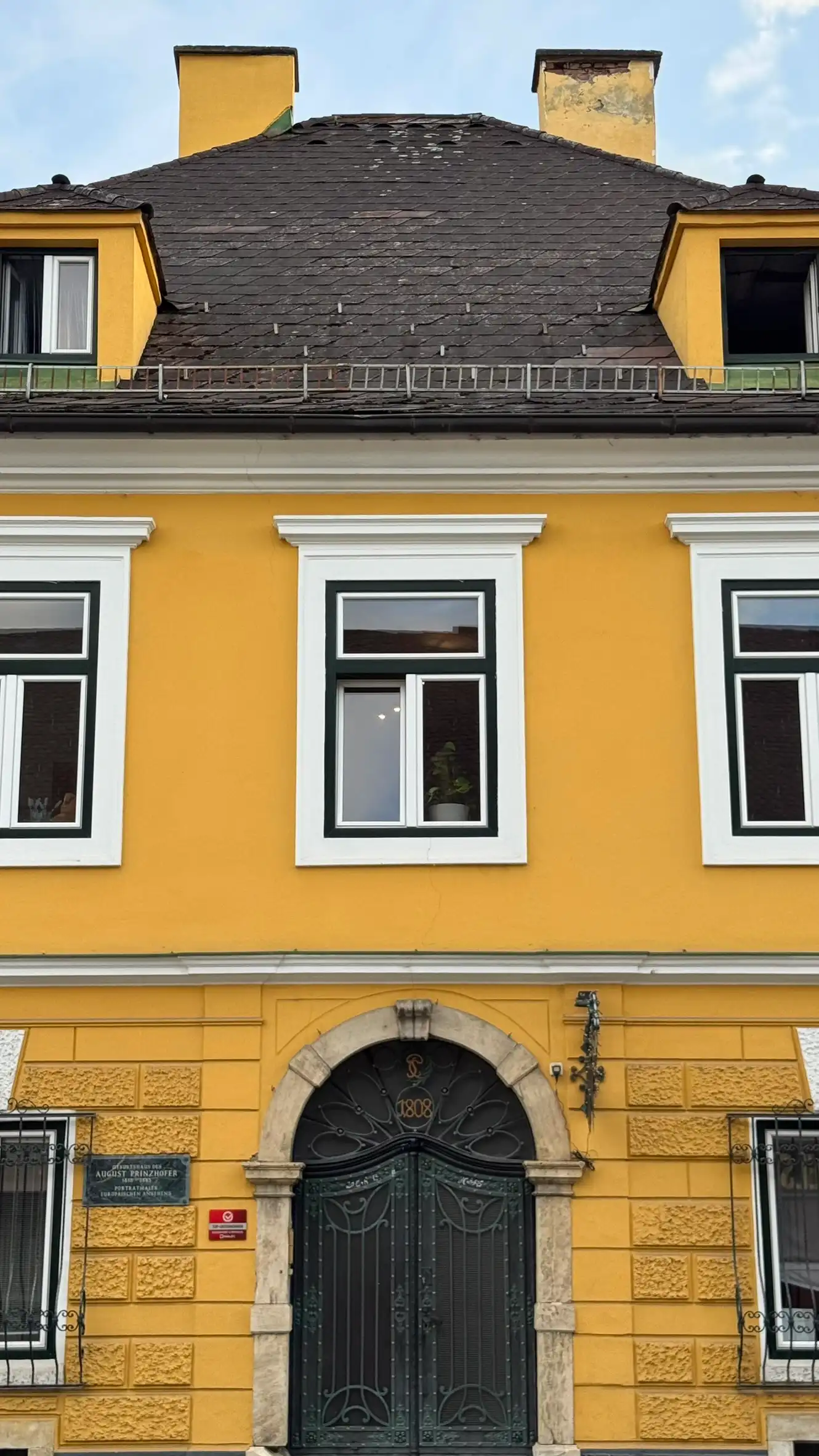
To the left of the entrance of the Prinzhofer House on Klagenfurter Straße in St. Veit an der Glan, a rectangular commemorative plaque marks the life and work of the renowned Carinthian painter and lithographer August Prinzhofer.

The house, built around 1808, is one of the few Late-Neoclassical Biedermeier-style townhouses in St. Veit.

The plaque was installed in 1889 at the artist’s birthplace, with most of the cost covered by the then-owner of the house, Friedrich Knaus. During the unveiling ceremony, a commemorative speech was delivered by the Member of the Imperial Council, Paul Hock. In 1975, the plaque was renewed on the initiative of the local beautification society.

Architectural Features

Storeys
The Prinzhoferhaus is a two-storey, historical town residence.

Facade
The building features a yellow rendered facade with a dark plinth. The facade is articulated with a string course and has five bays. The windows are framed with white surrounds. Overall, the building has a balanced, symmetrical appearance.

Roof
The hipped roof is punctuated by dormer windows.

Entrances
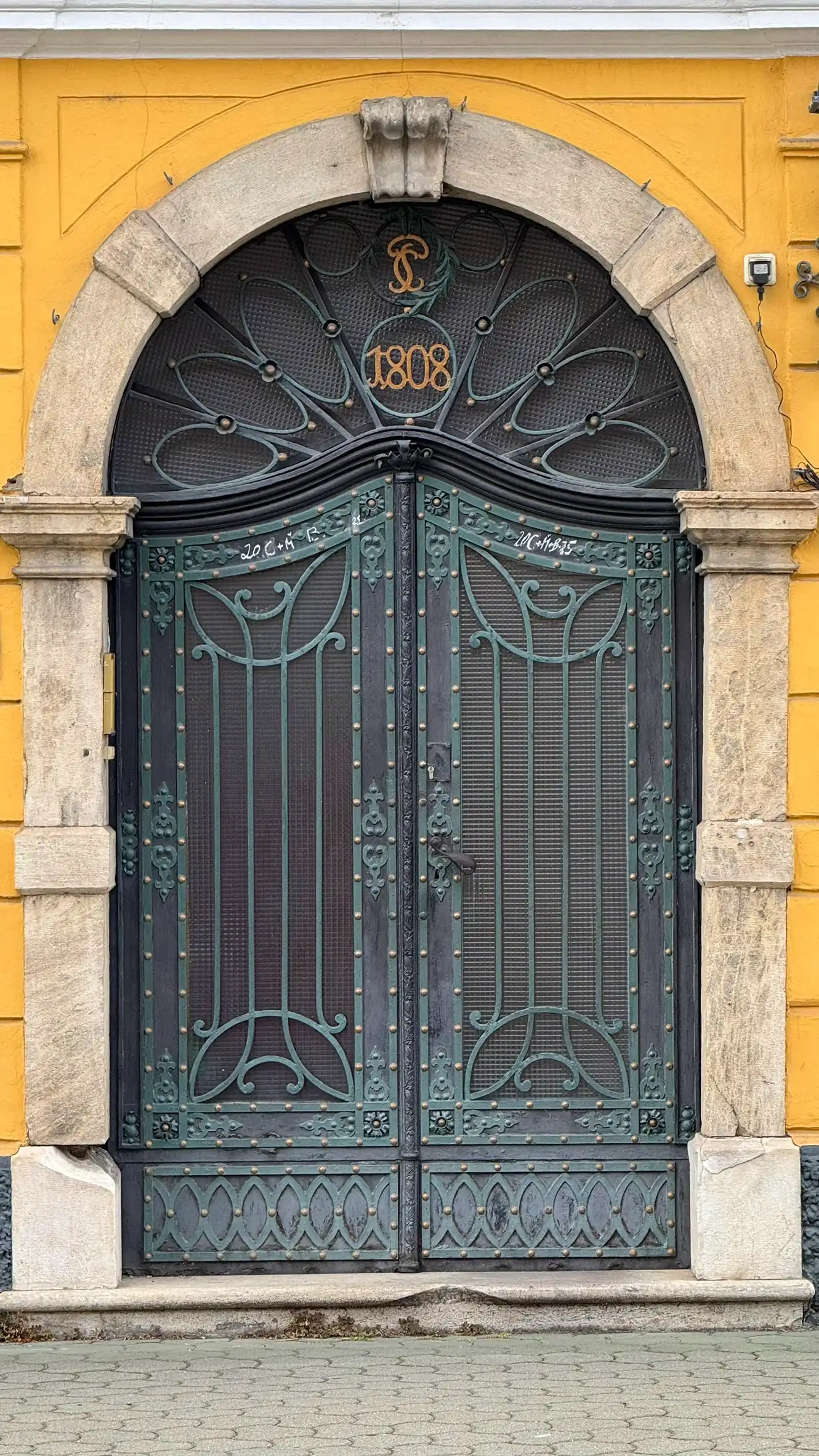
The wrought-iron double-leaf door of the ground-floor entrance is framed by a broad stone arch. A side staircase leads to upper entrance at the rear corner.

Central Arched Doorway

The main doorway of the Prinzhoferhaus is framed by a broad, rounded stone arch with a pronounced keystone. The wrought-iron double-leaf door is richly decorated with ornamental scrollwork and floral motifs, highlighted by riveted detailing. Above the doors, the fanlight is filled with radiating petal-like ironwork set against a mesh background. At its centre is a gilded inscription of the year 1808, accompanied by an ornamental monogram encircled by a laurel wreath. The strong vertical lines of the ironwork contrast with the decorative curving elements, creating a harmonious balance between structure and ornament.

August Prinzhofer | Biography
Master of 19th-Century Viennese Portrait Lithography


Early Life and Education

Born: 12 September 1817, St. Veit an der Glan
Died: 4 August 1885, Bad Steinerhof near Kapfenberg

From an early age, he was recognised for his remarkable drawing talent. After initially pursuing a legal career in Vienna and Padua, he devoted himself entirely to portraiture from 1854 onwards. He became a key figure in the development of portrait lithography, which flourished in Vienna between 1830 and 1860. He received his artistic training, among other places, at the Academy of Fine Arts in Venice.

Career in Lithography

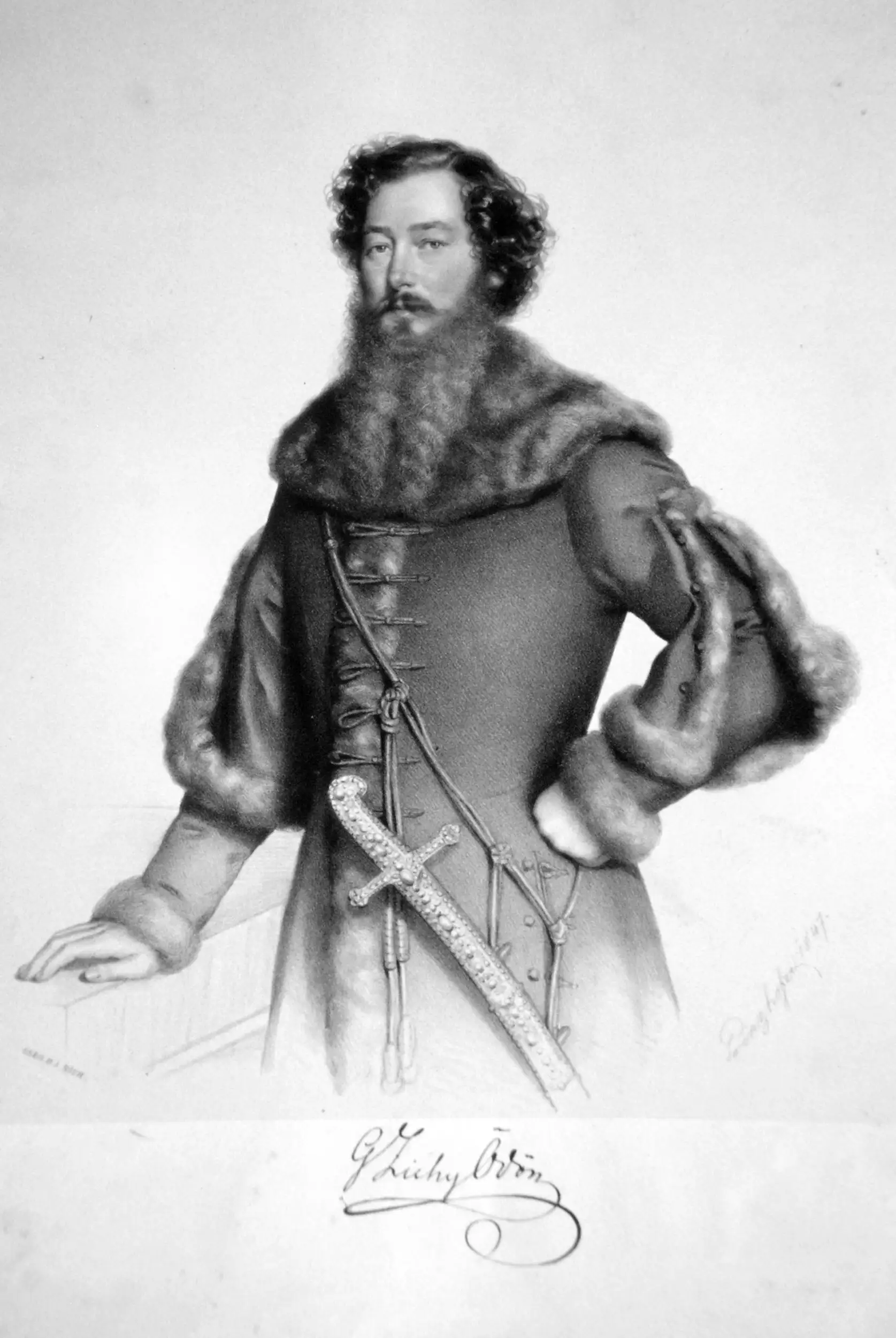
August Prinzhofer was a distinguished Austrian painter and lithographer, best known for his substantial contribution to the golden age of portrait lithography in Vienna between 1830 and 1860.

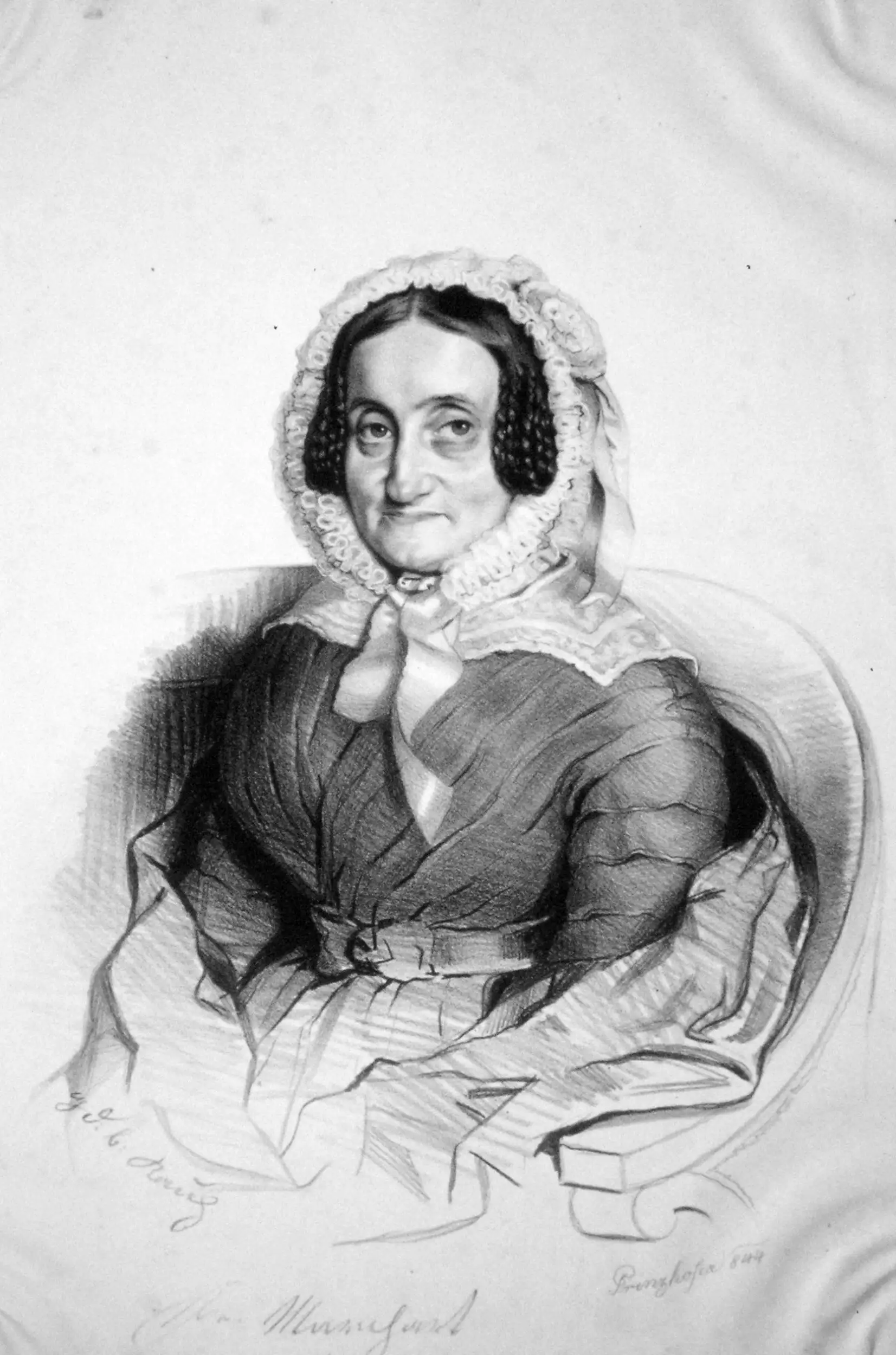
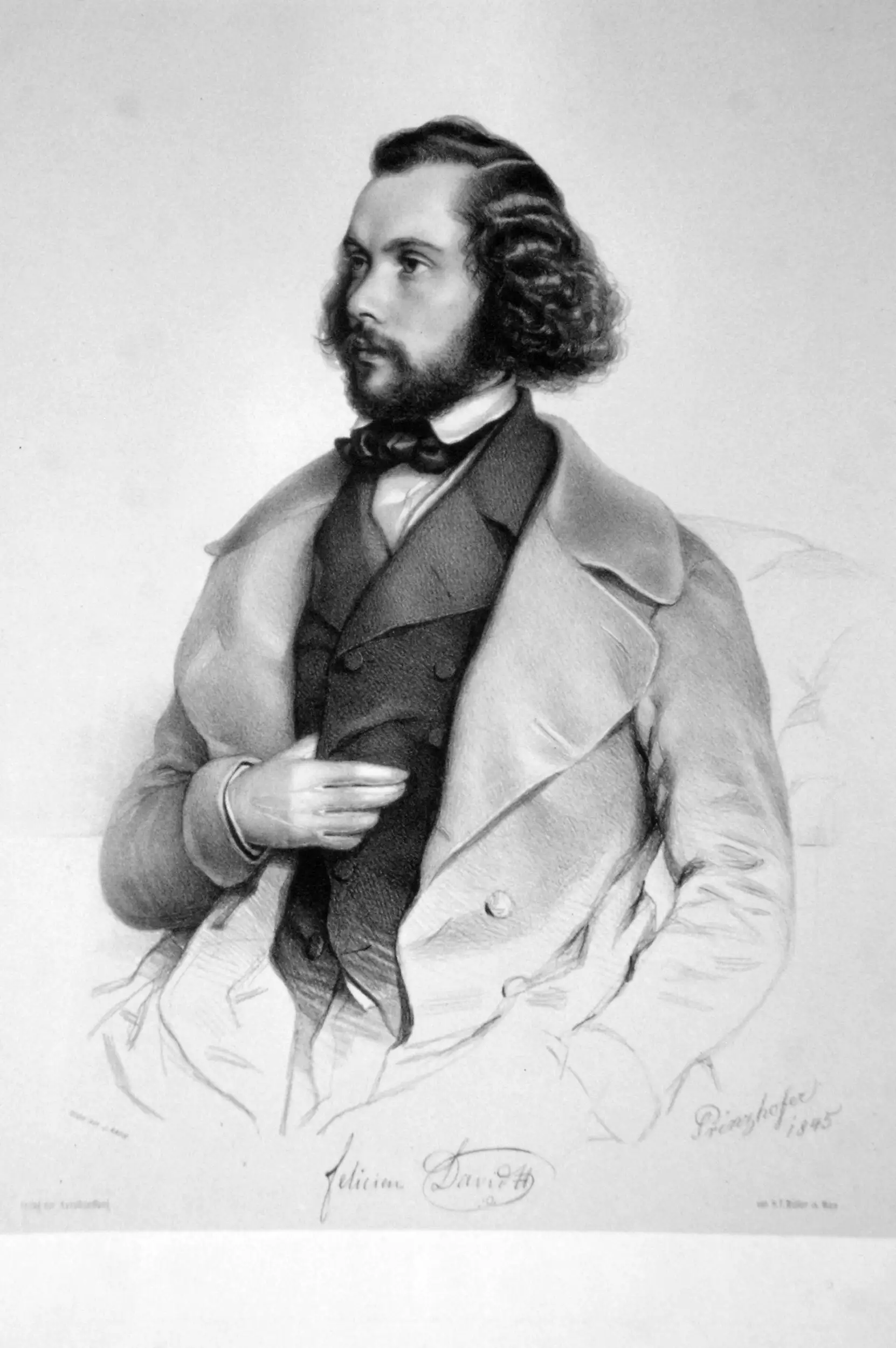
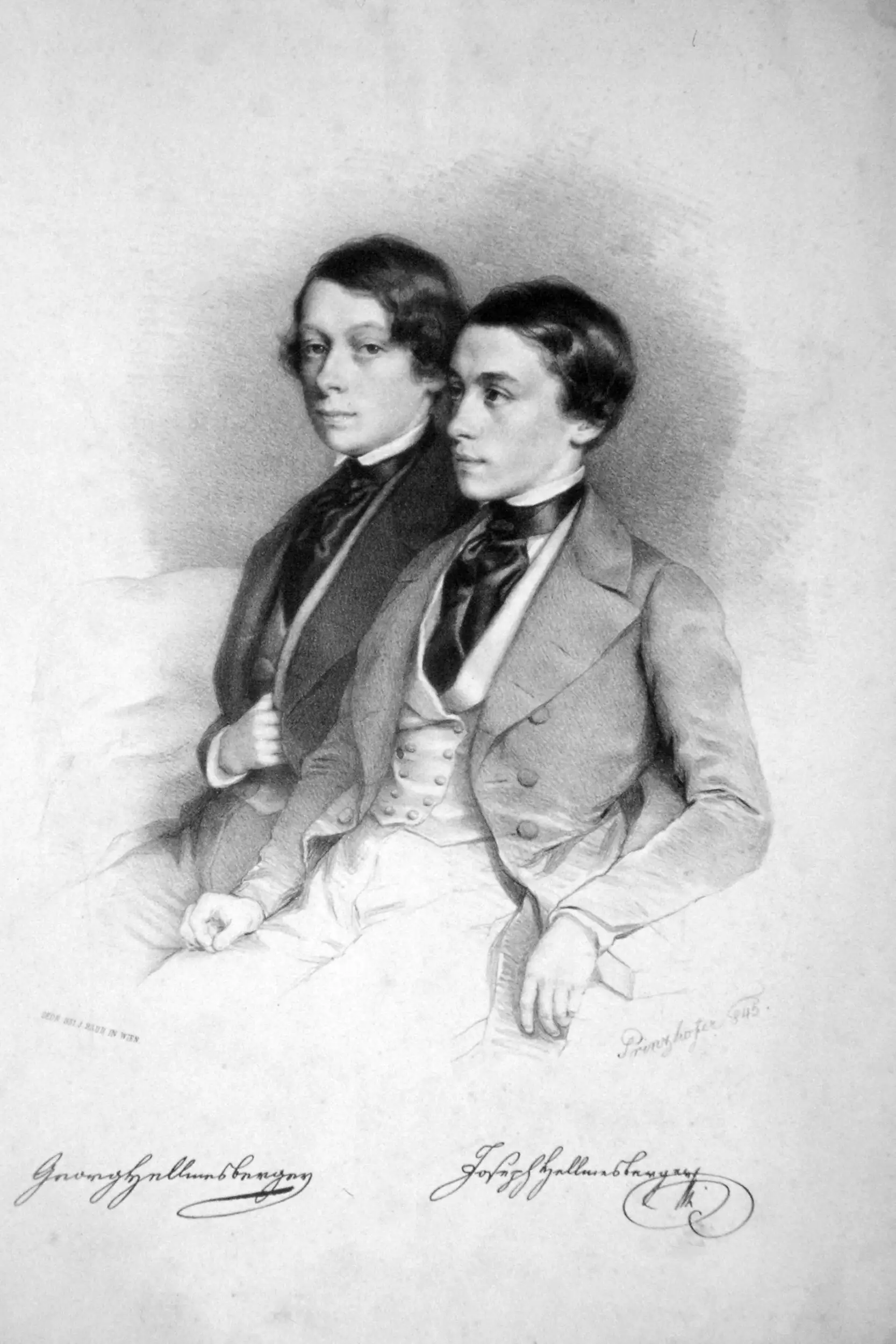
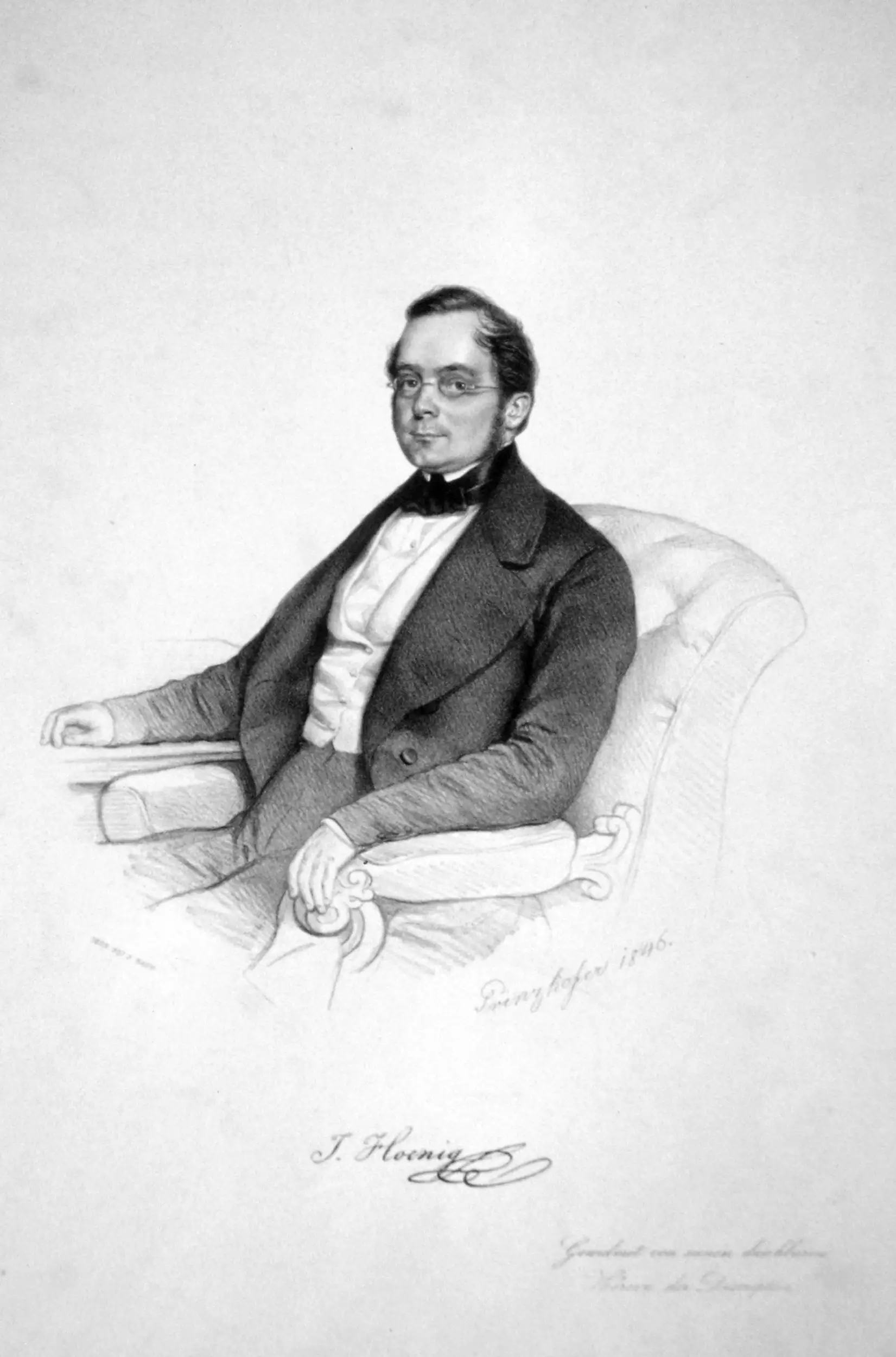
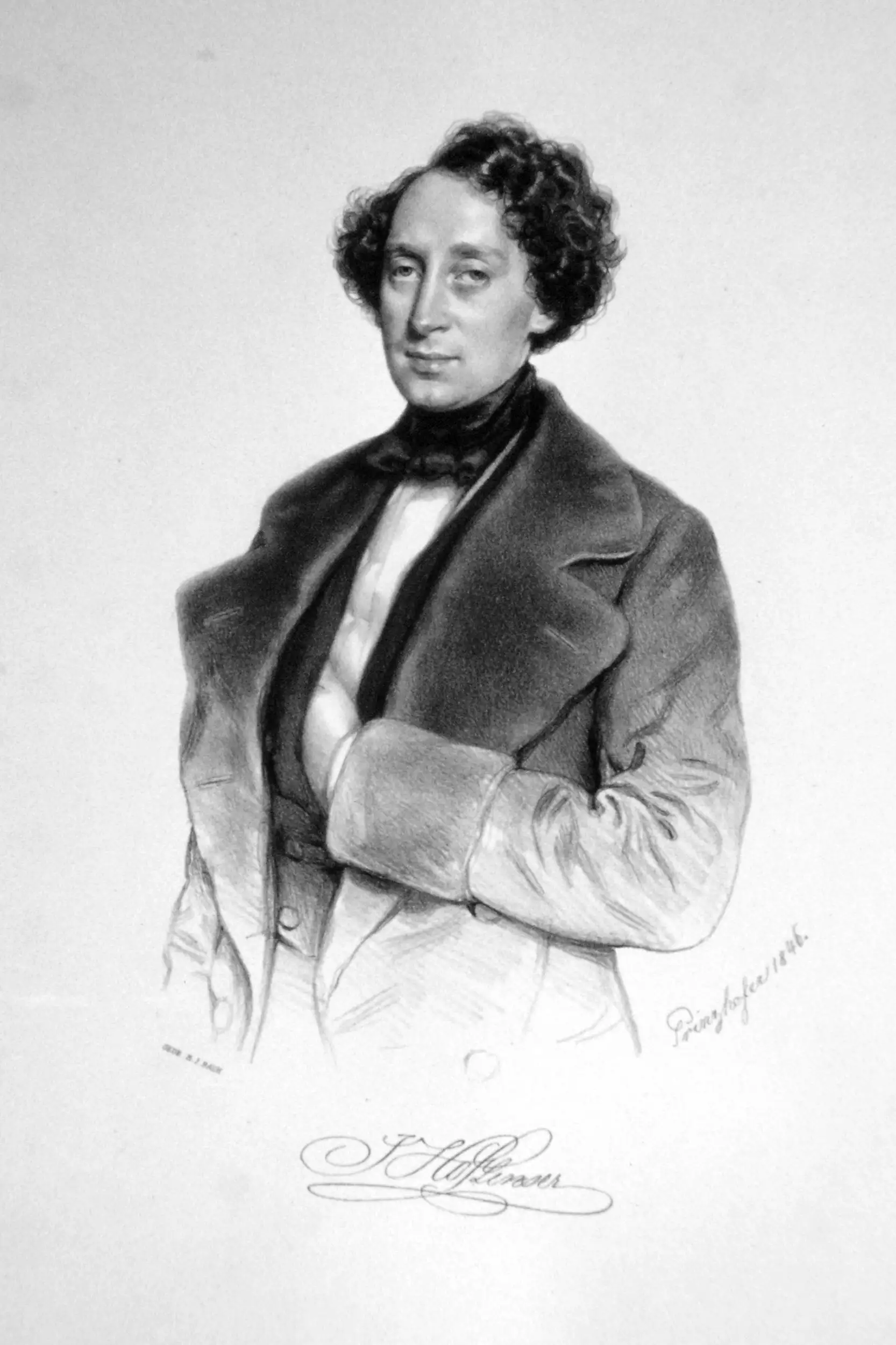
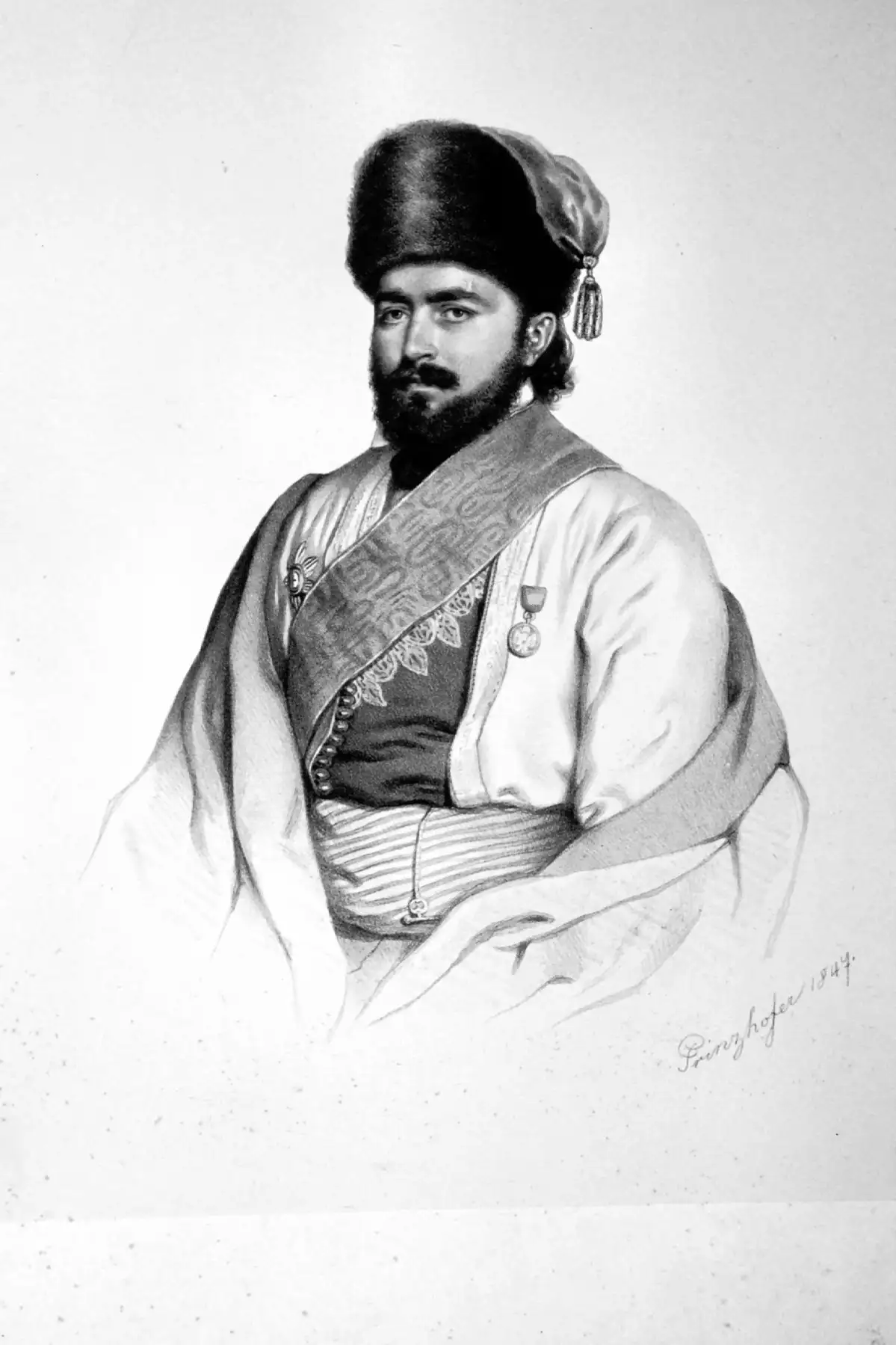
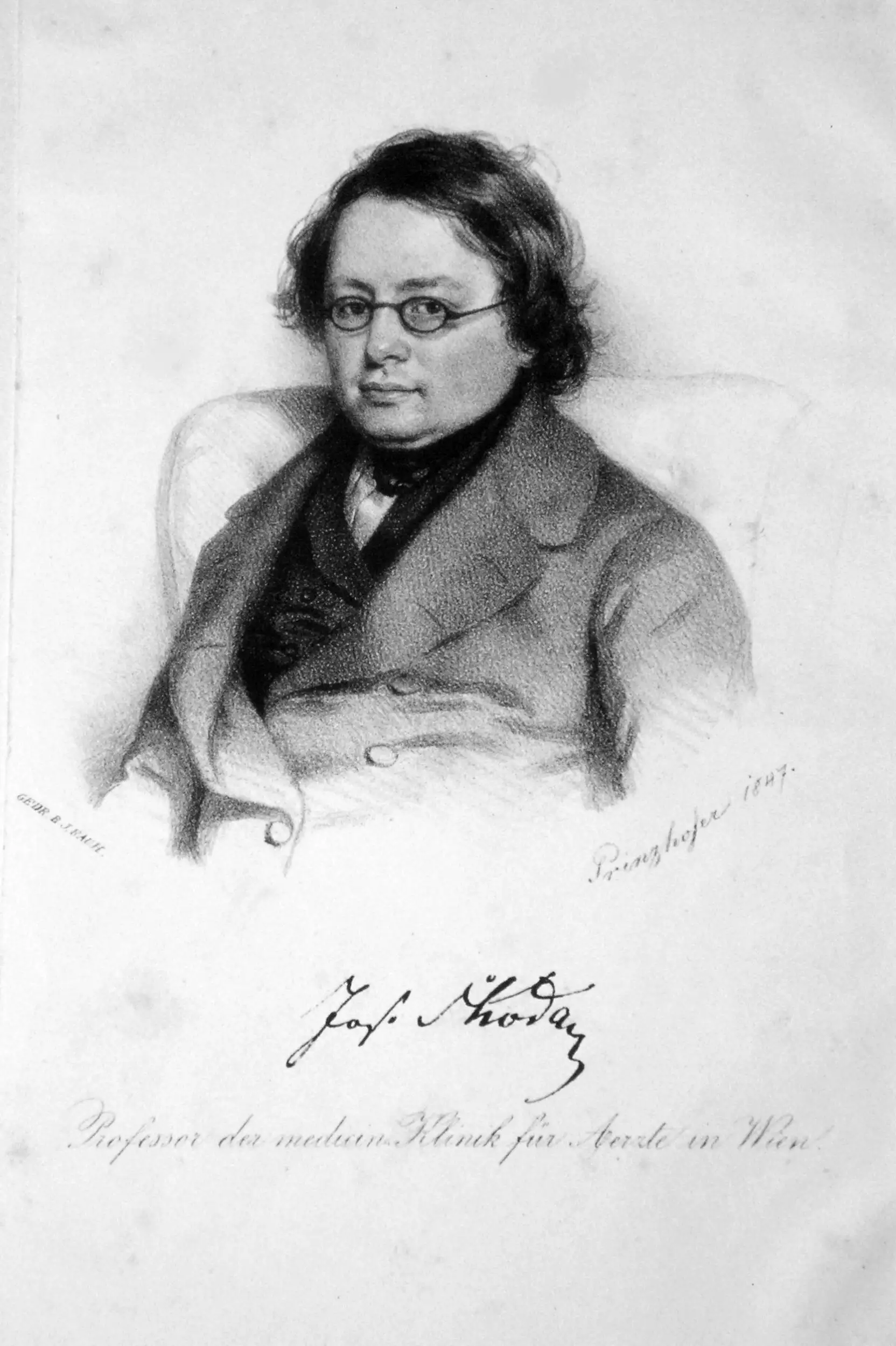
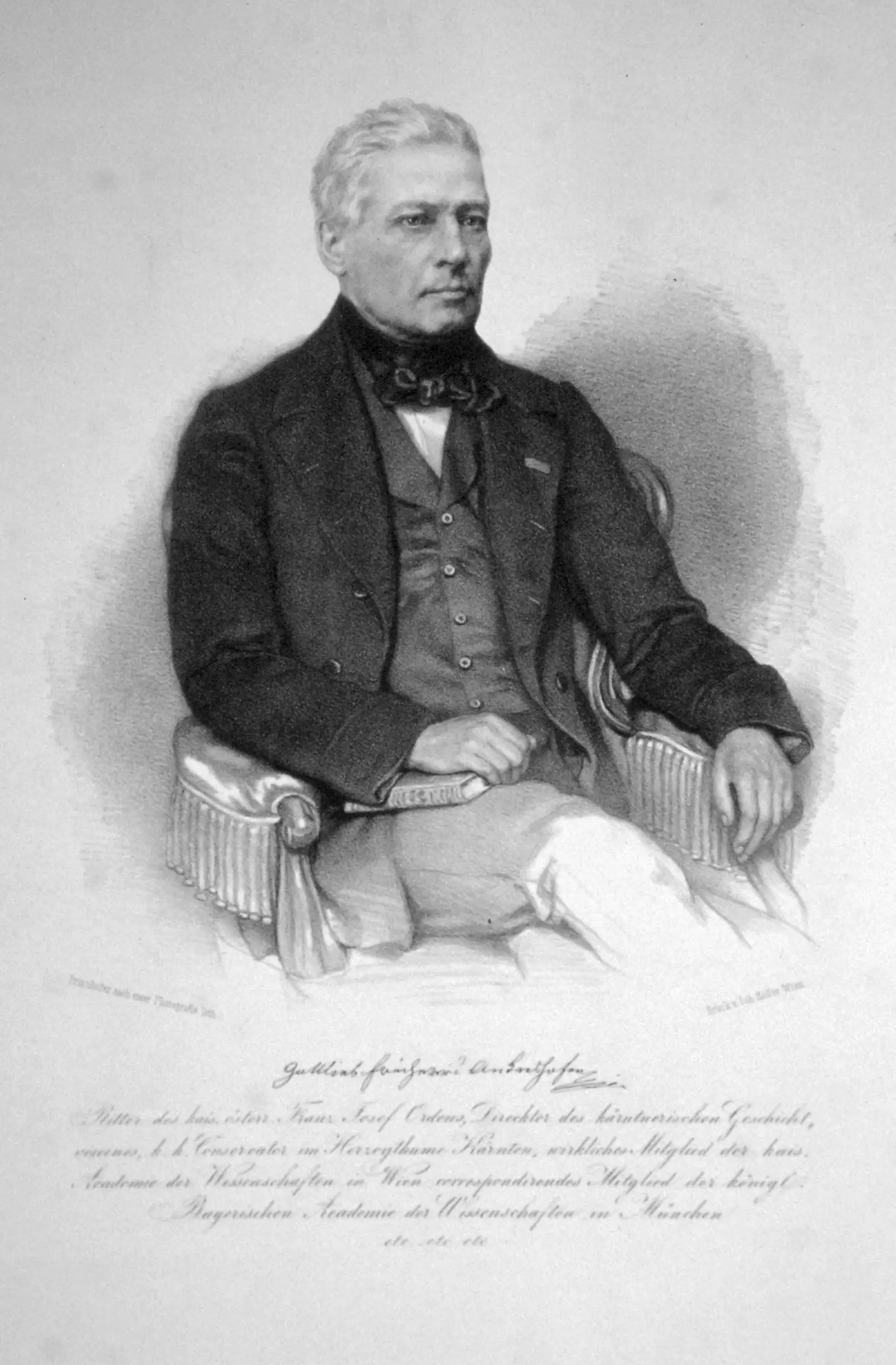
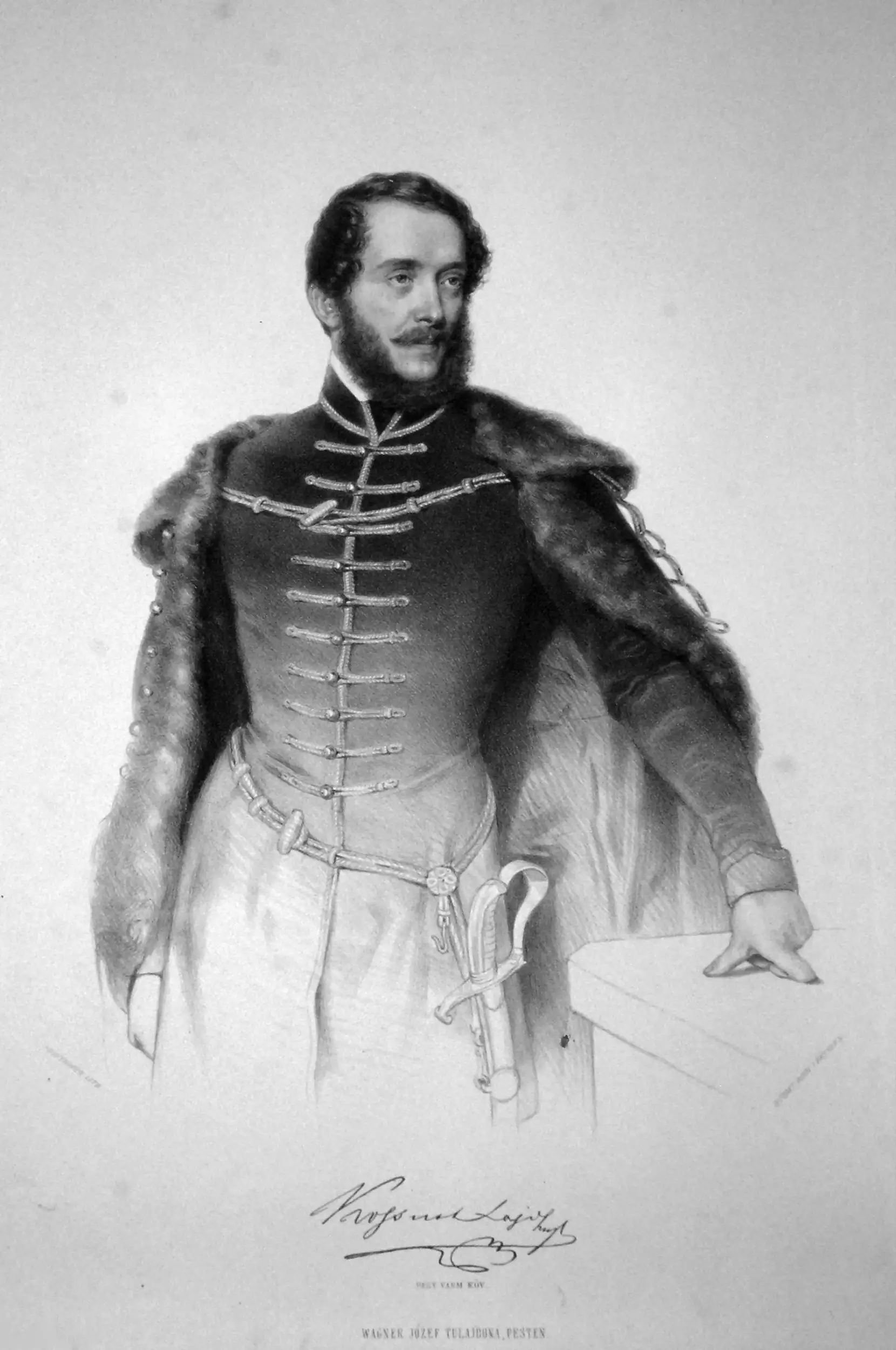
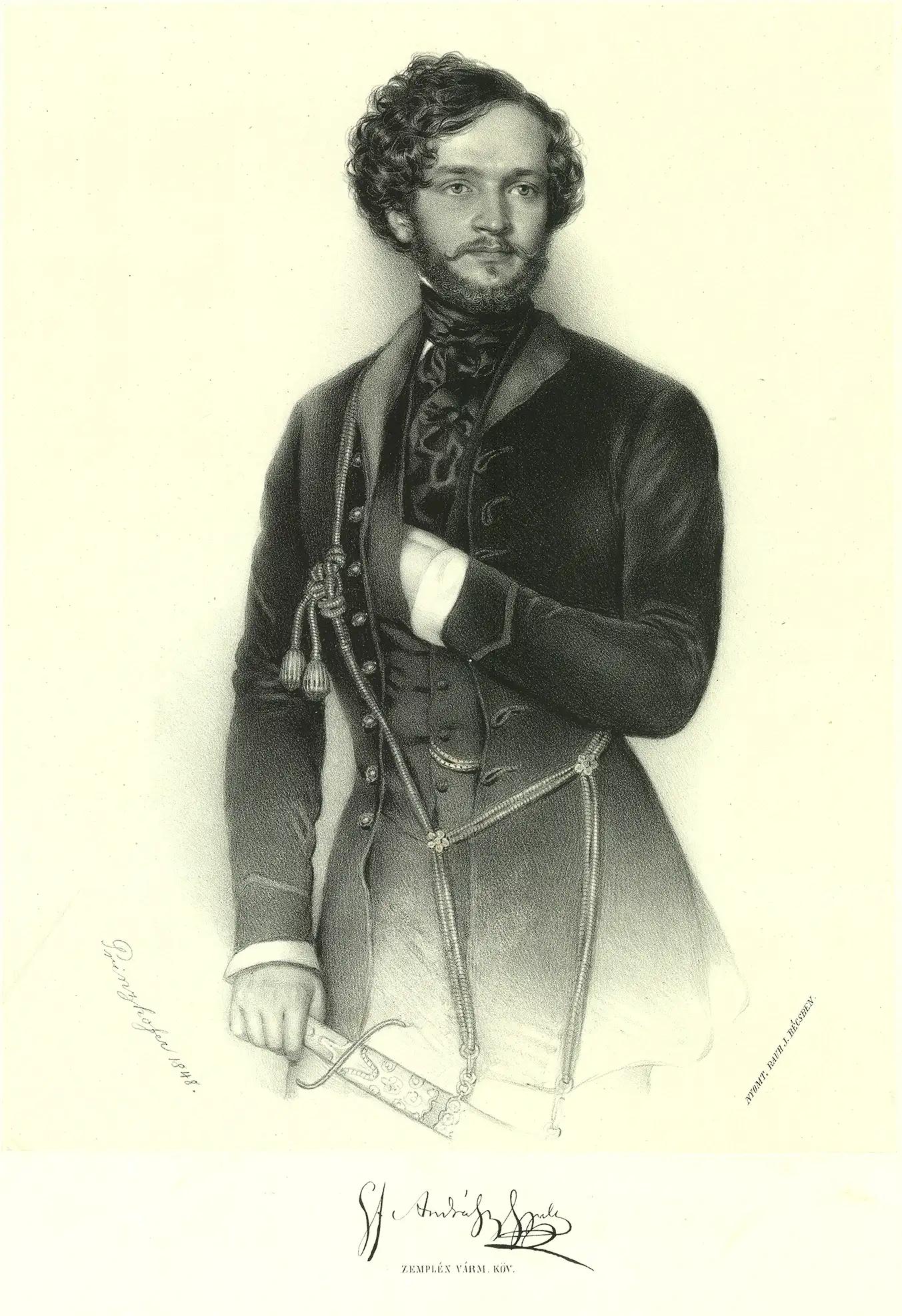
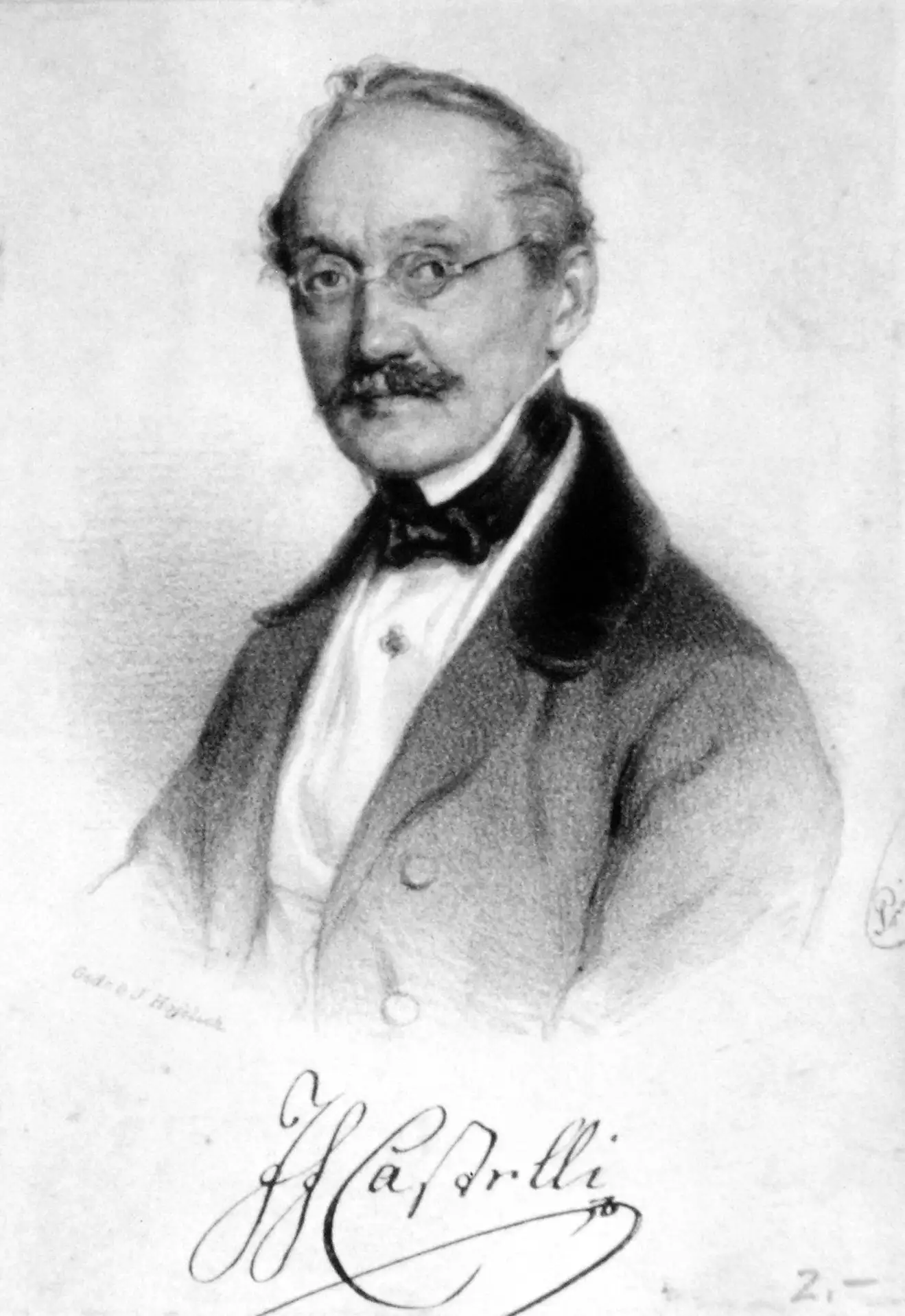
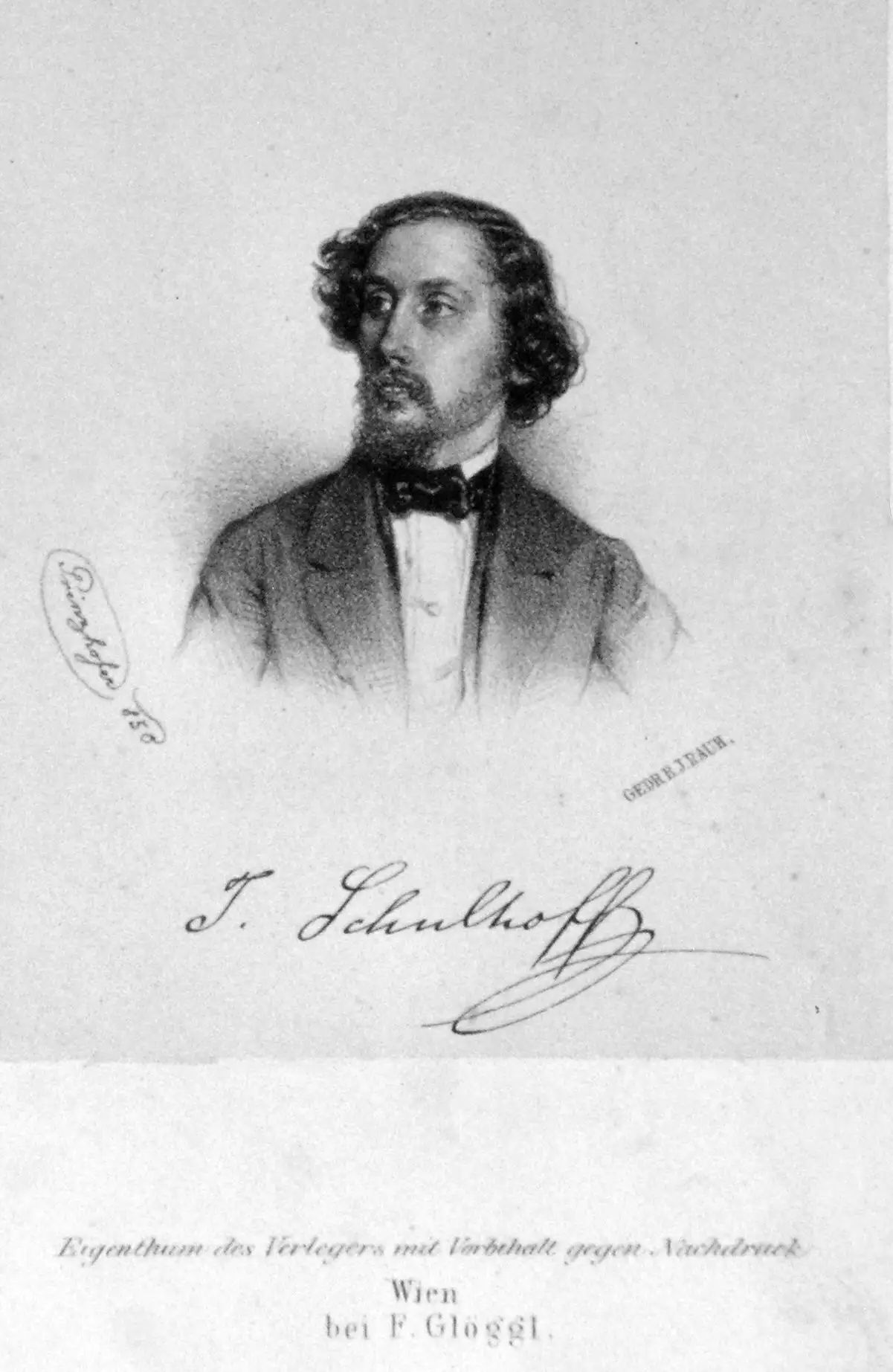
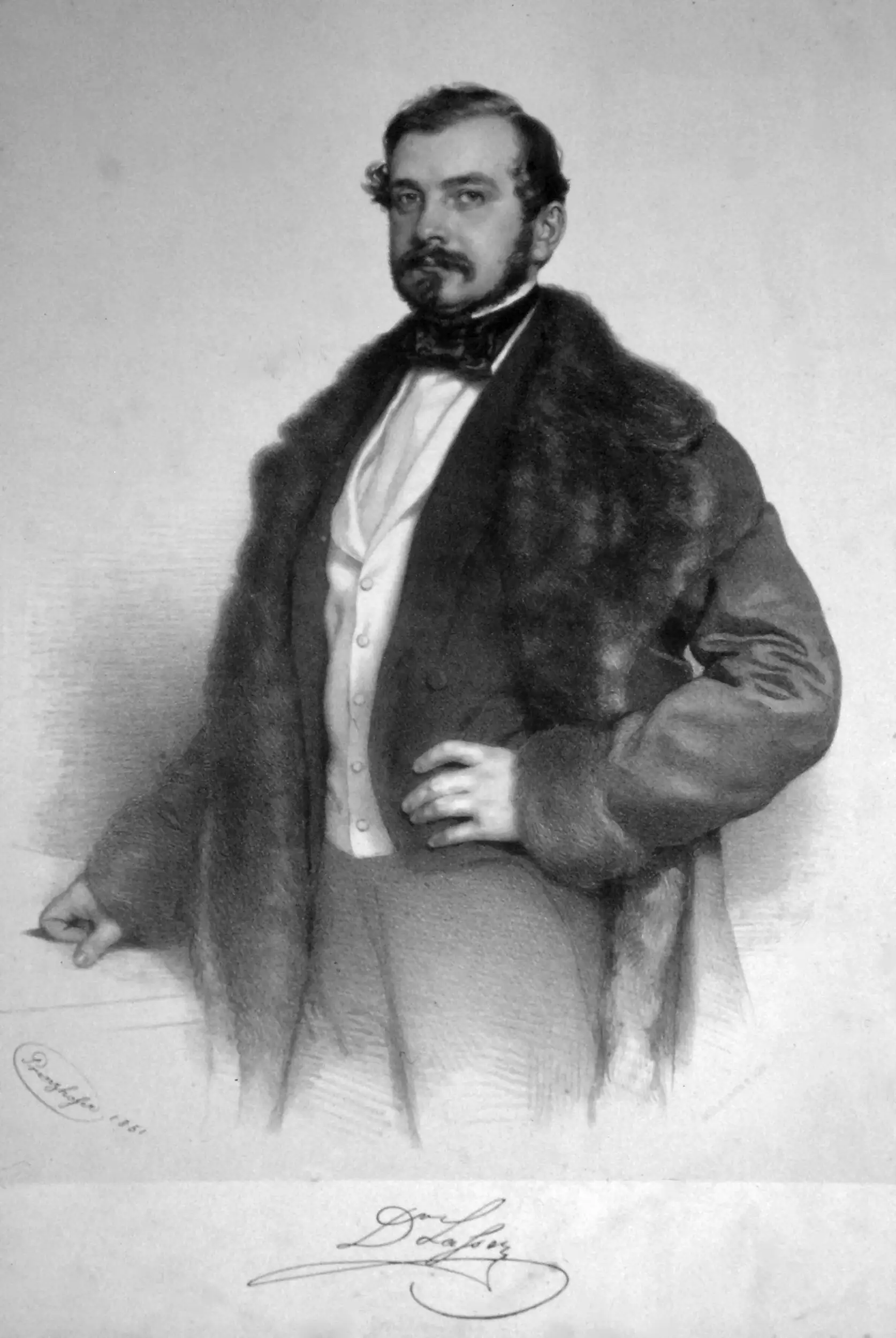
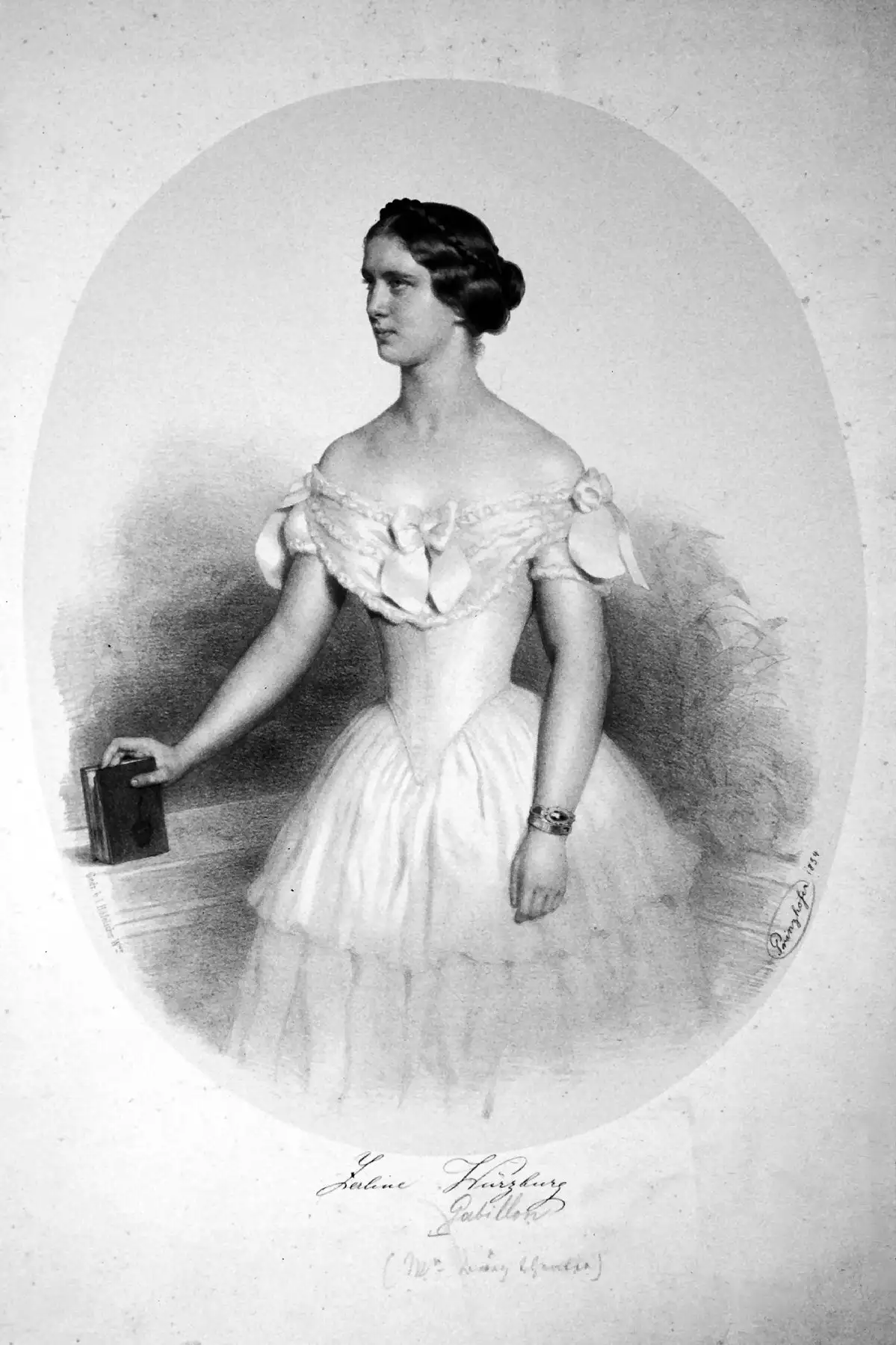
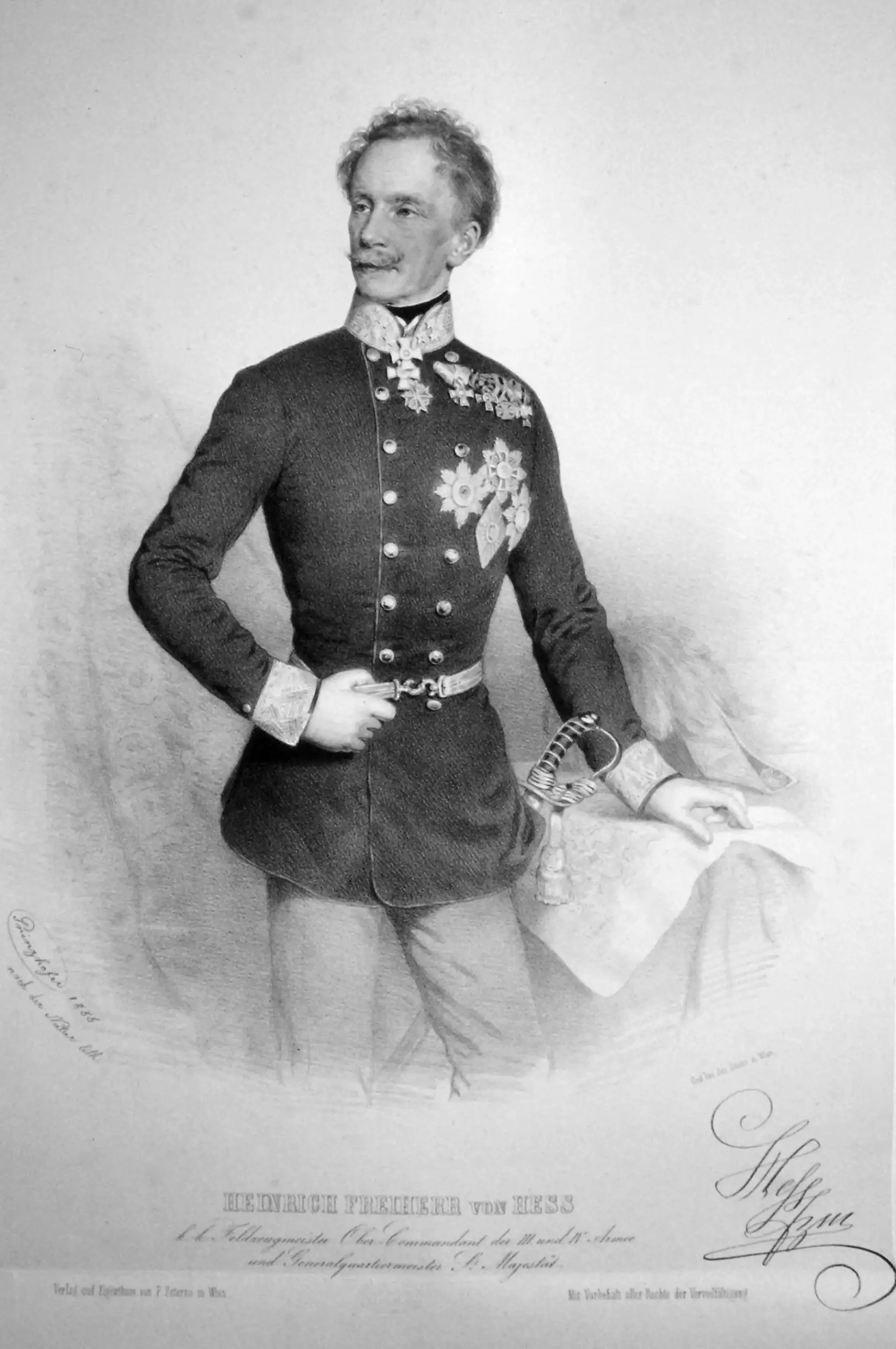
A master of lithography, a planographic printing process, Prinzhofer produced more than 500 portraits during his prolific career, capturing the likenesses of many of the most influential cultural, academic, and political figures of 19th-century Europe.

His refined technique made his portraits highly sought after, depicting composers, academics, politicians, and actors of 19th-century Vienna.


Notable Works

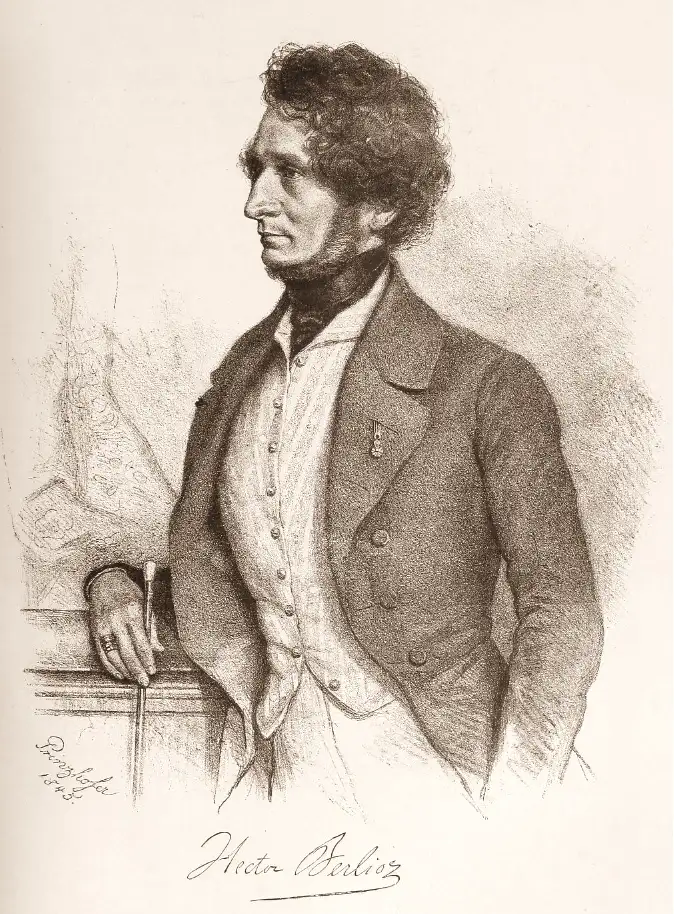
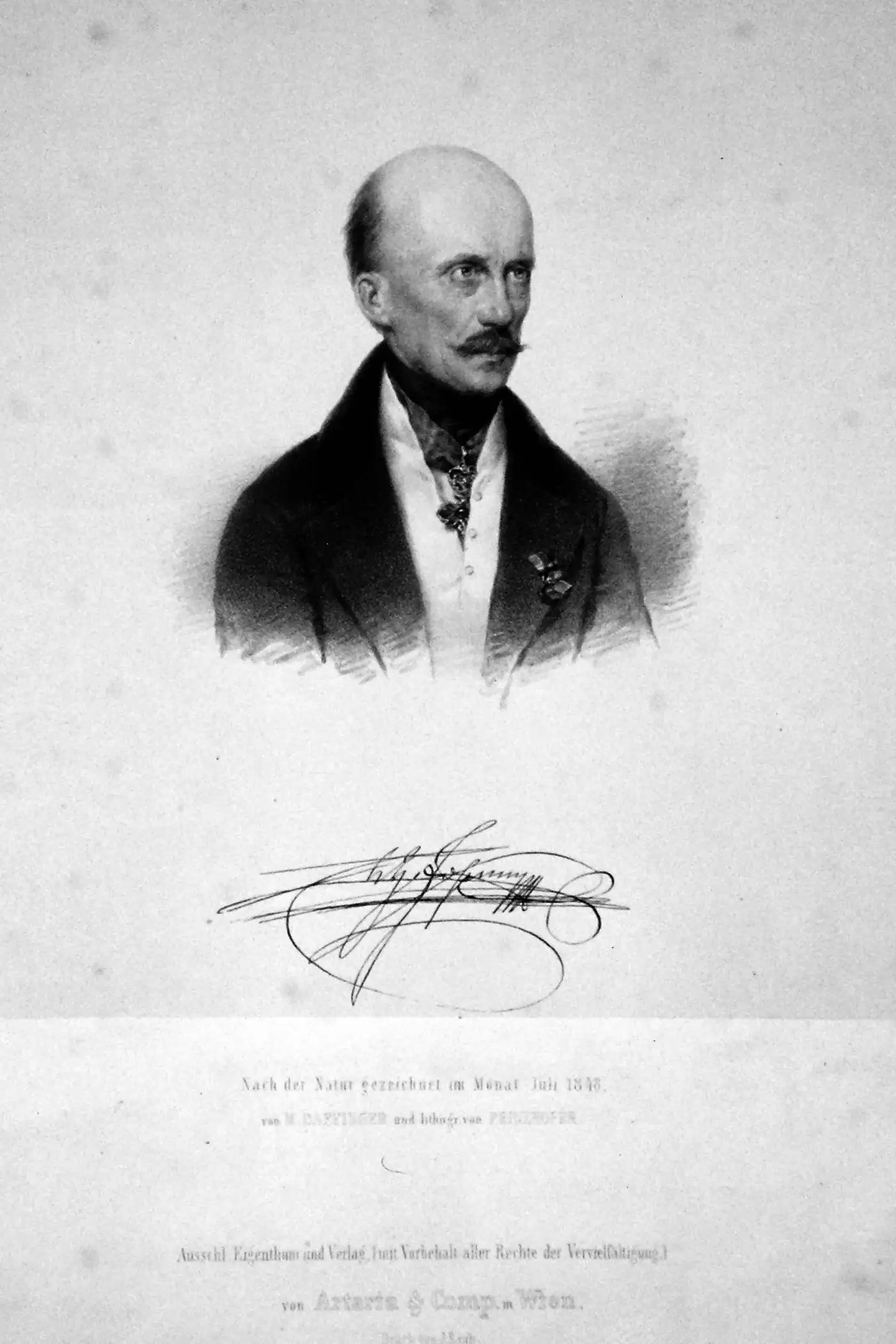
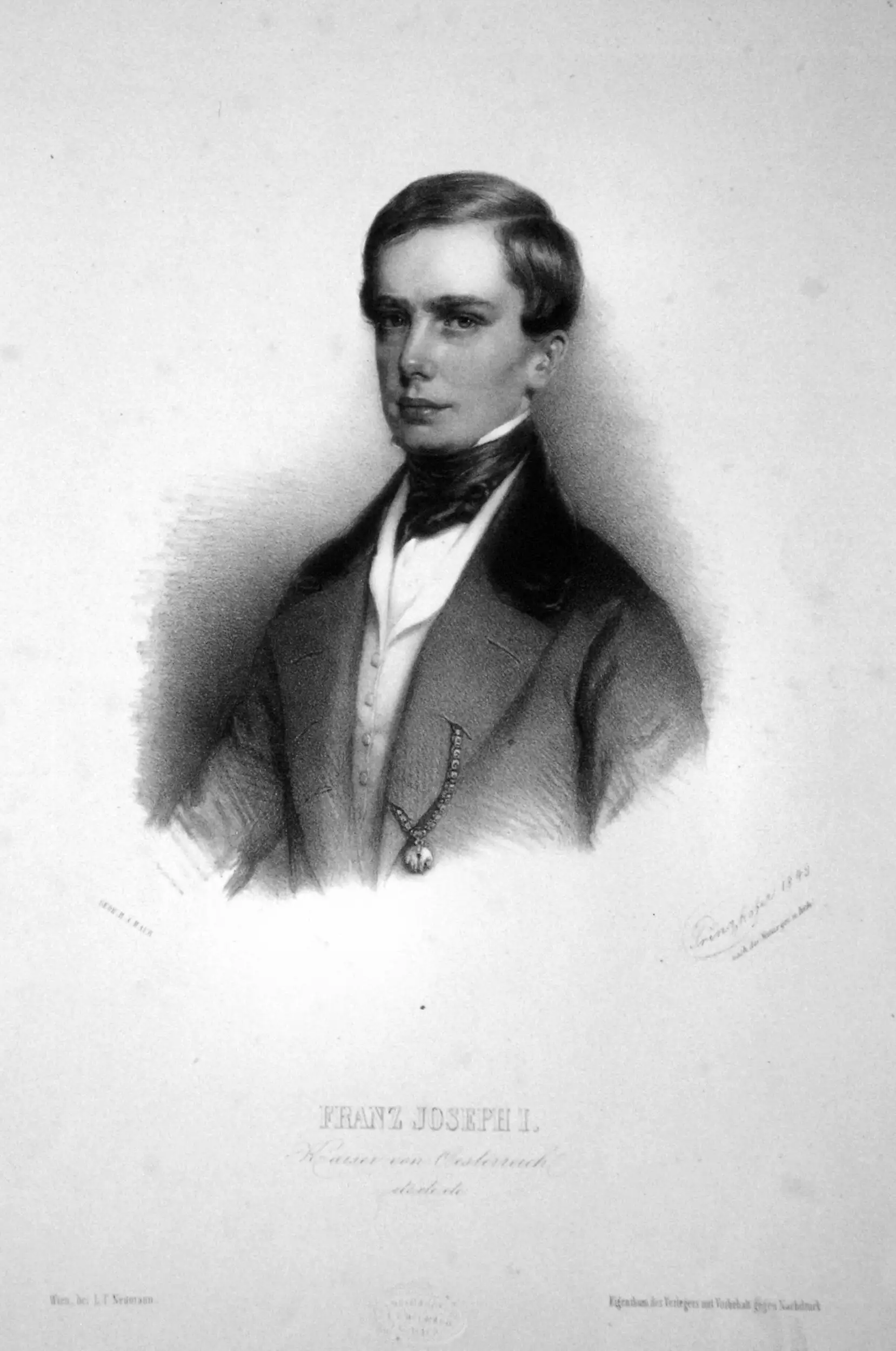
Prinzhofer’s lithographic collection (around 500 portraits) included depictions of prominent individuals such as Hector Berlioz, Archduke Johann, Albert Lortzing, and Johann Nestroy.

In 1848, he created the first portrait of Emperor Franz Joseph I following his accession to the throne.

Among his notable works is his 1851 lithograph of the composer Gottfried von Preyer, which exemplifies his precision and sensitivity as a portraitist.


Later Career and Legacy

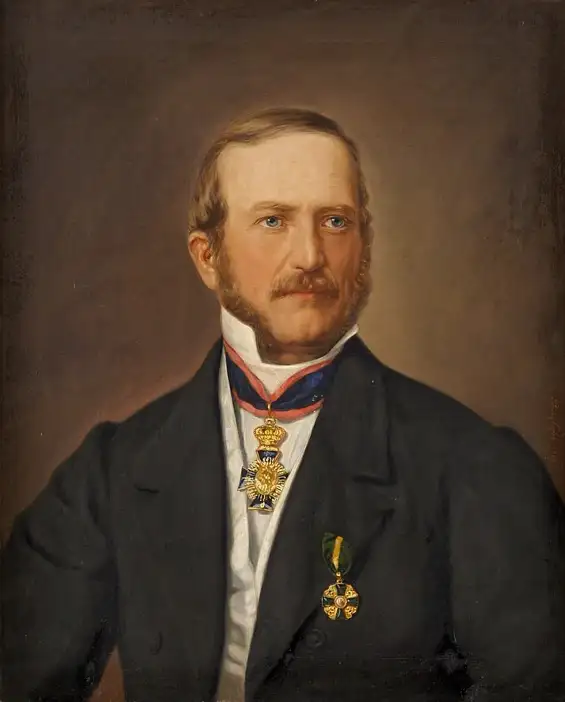
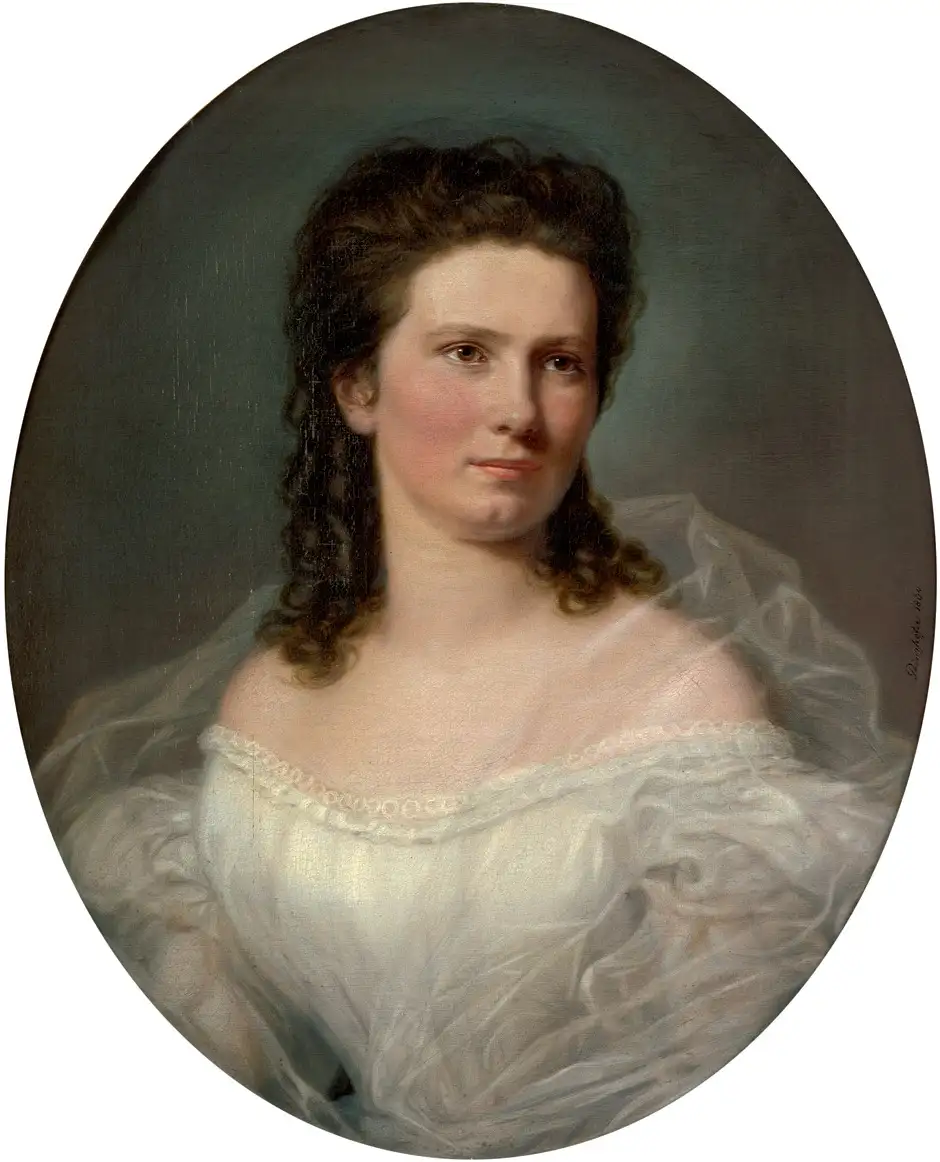
As photography began to eclipse lithography in the 1860s, Prinzhofer turned to oil painting and miniature portraiture, continuing to enrich Austrian art in new forms.

His works are now preserved in public collections and can be viewed on online platforms.

Prinzhofer’s lithographs remain valuable historical documents, offering not only artistic merit but also insights into the visual culture and leading personalities of 19th-century Vienna.
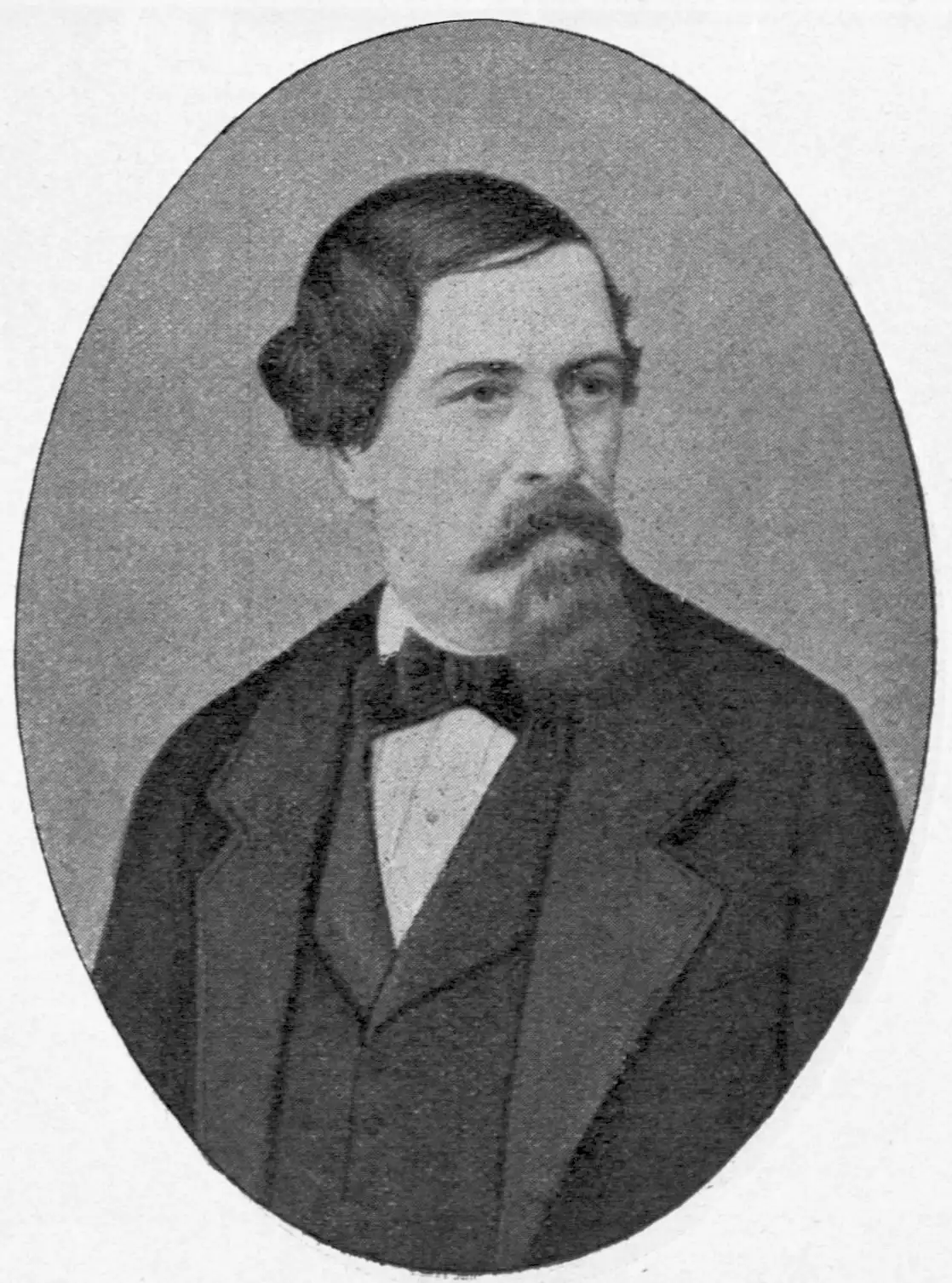
August Prinzhofer (1817–1885), Austrian lithographer and painter.

Prinzhofer became a leading figure in Vienna’s flourishing visual arts scene, specialising in portrait lithography, a technique involving drawing on a flat stone with a greasy medium, which allowed for the mass reproduction of detailed and expressive images.

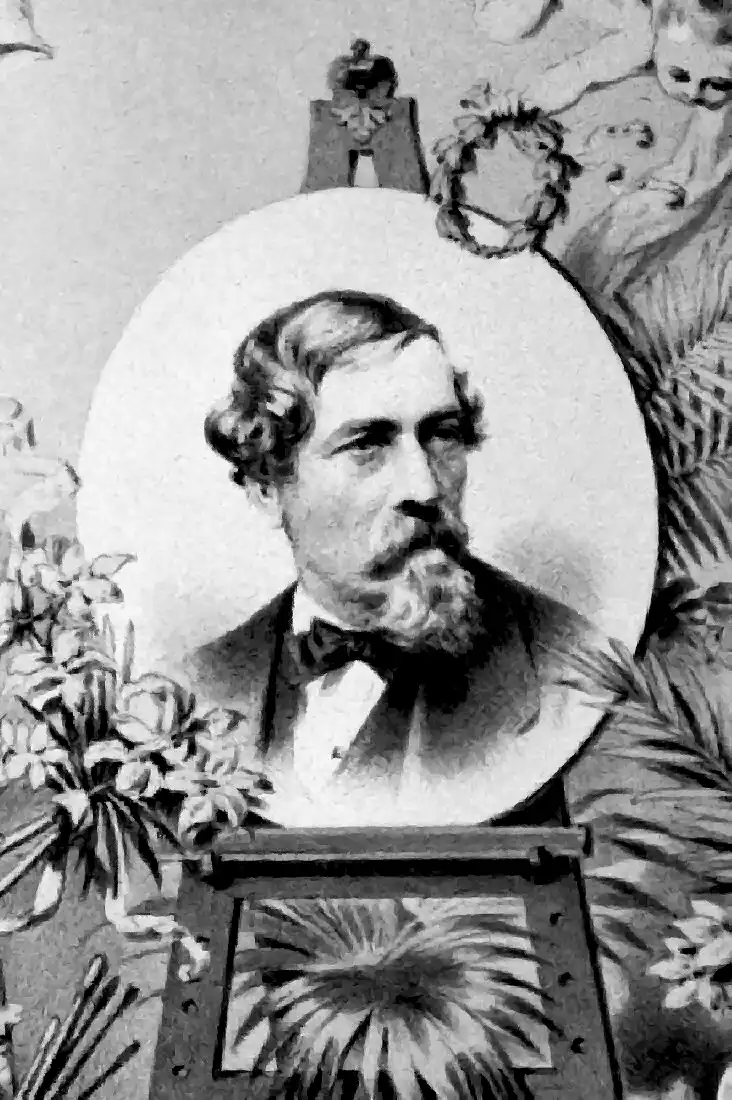
A lithographic commemorative sheet for August Prinzhofer (1817–1885), created by Franz Würbel (1822–1900).

Lithographs created by August Prinzhofer | Gallery 1 

Lithographs created by August Prinzhofer | Gallery 2 

Oil Paintings created by August Prinzhofer | Gallery 3 

What is portrait lithography?

Portrait lithography is a 19th-century printmaking technique used to produce portraits by drawing with greasy ink on a flat stone or metal plate. The image is chemically fixed and then printed, allowing for fine detail and easy reproduction.