
Museum St. Veit
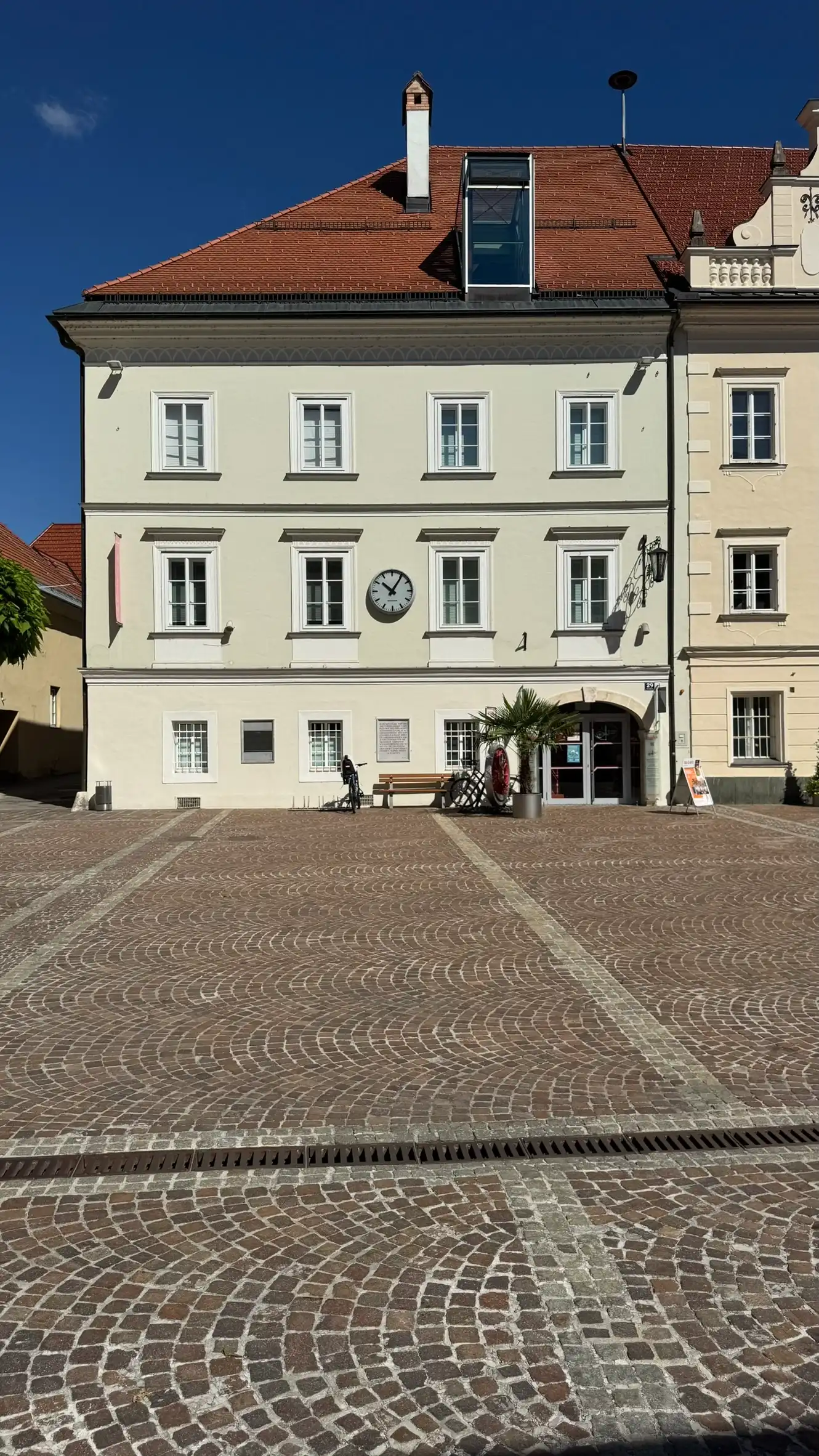
The St. Veit Museum offers an immersive journey through about 900 years of the town’s rich history. Located in the heart of the old town, the museum links the town’s historical development with modern themes.
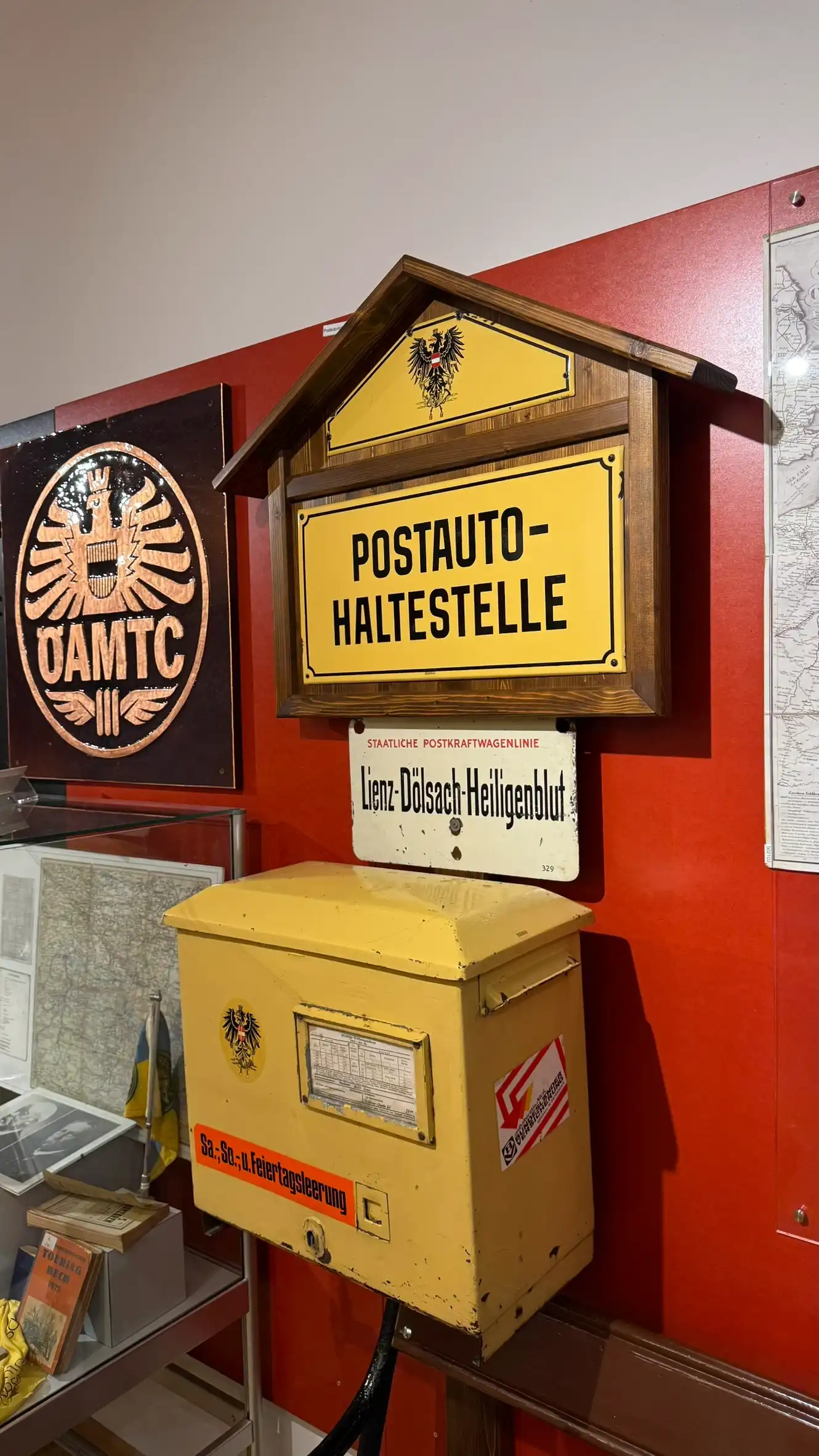
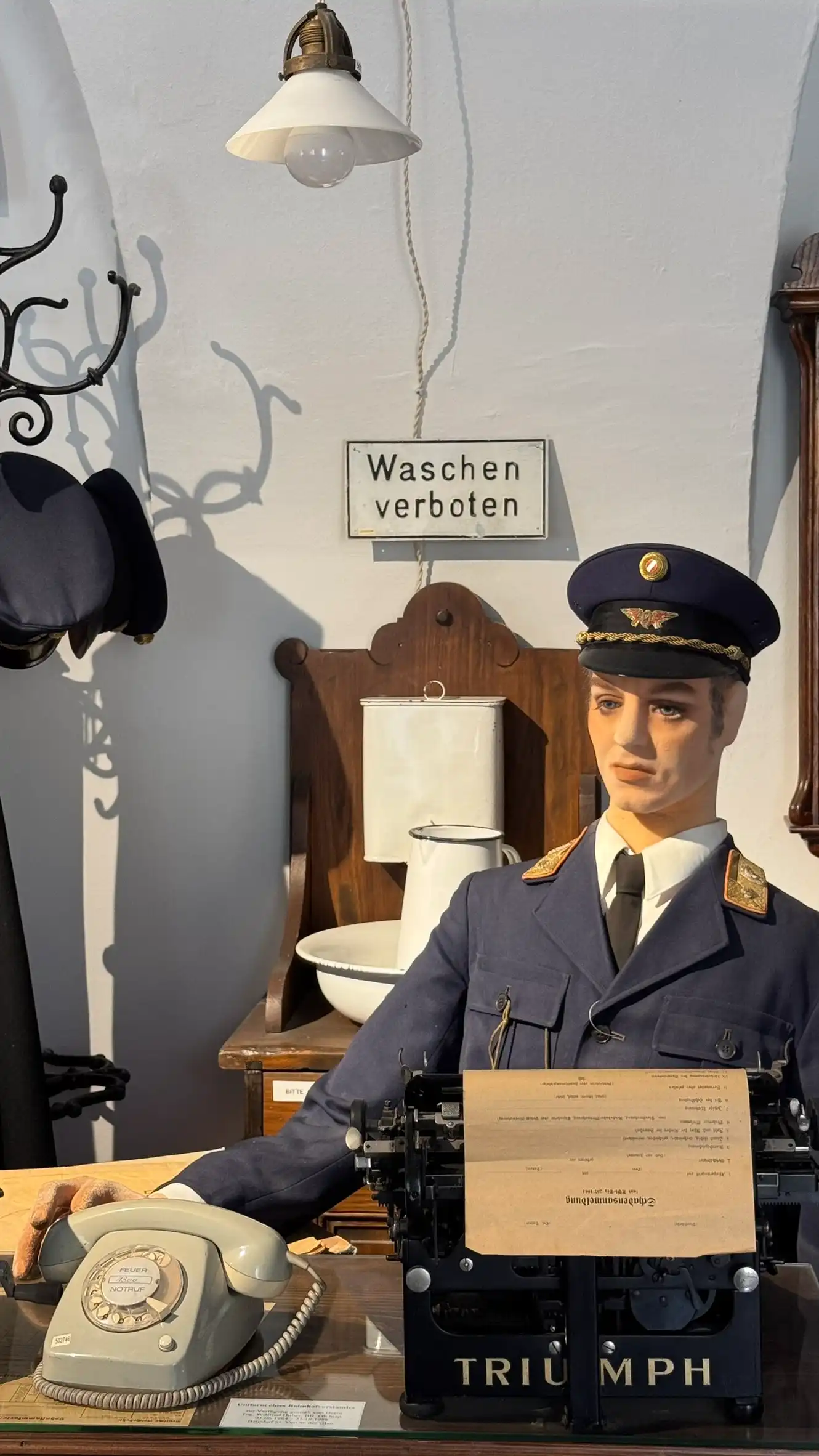
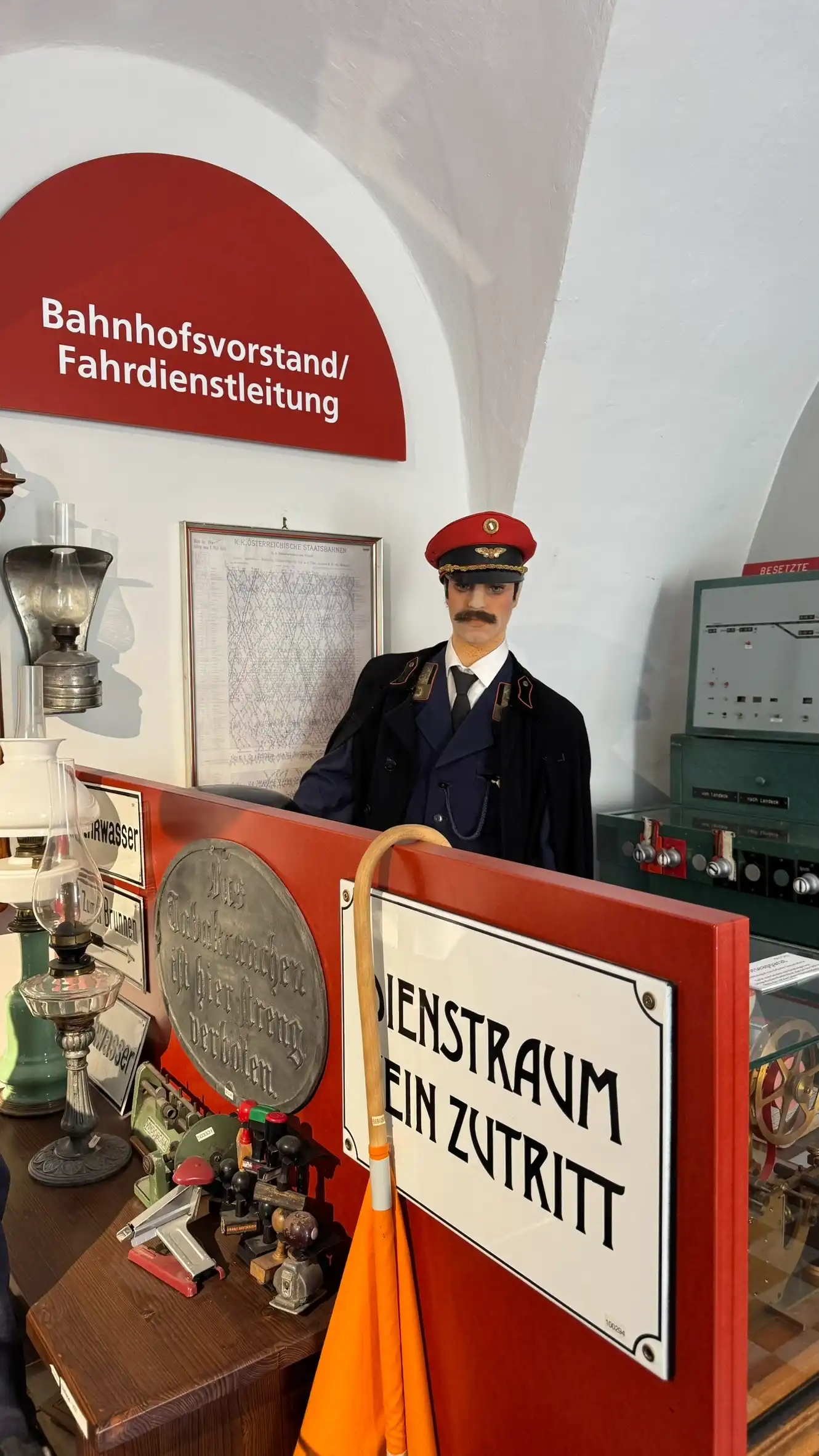
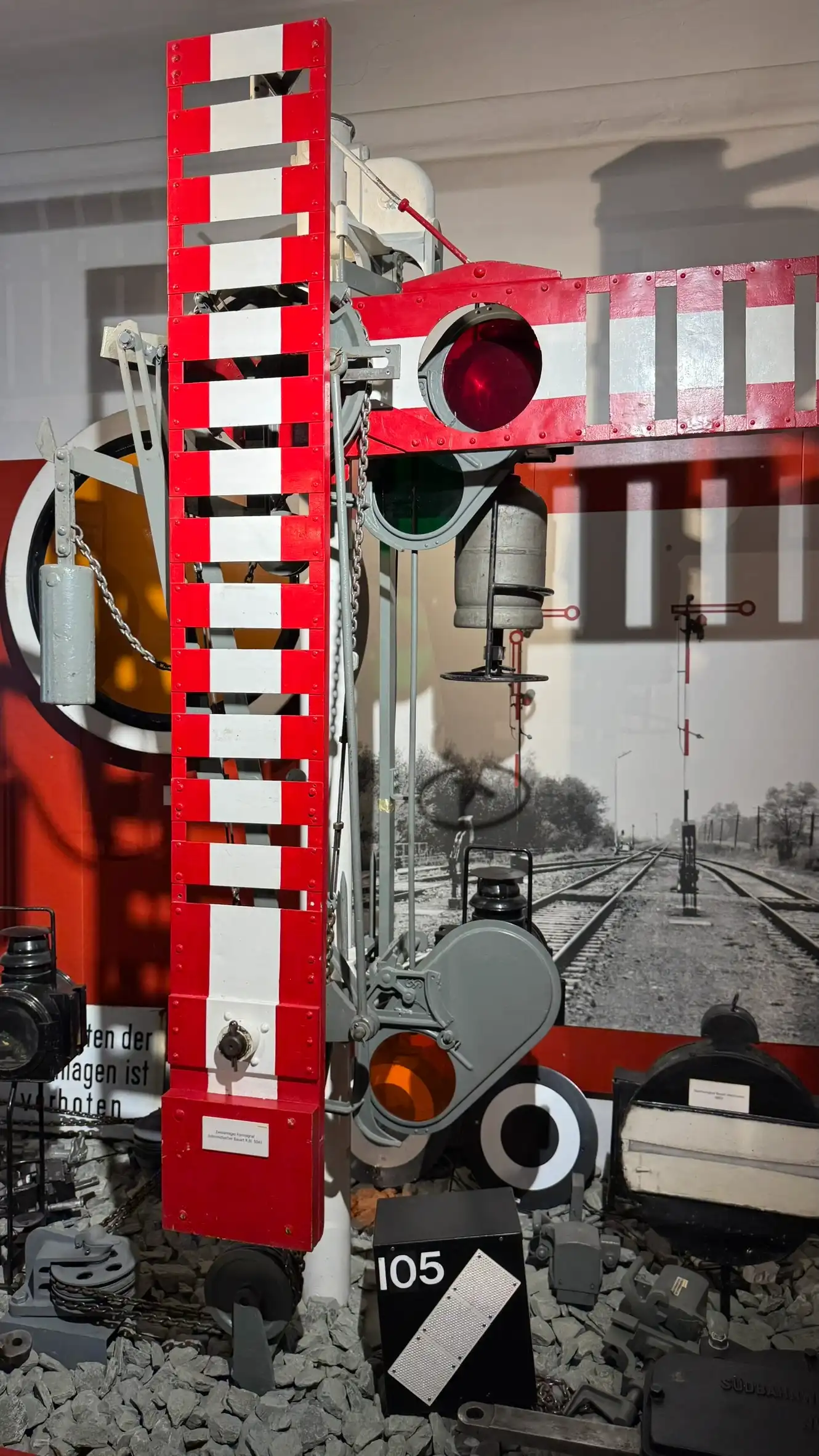
The exhibitions highlight the evolution of railways, postal and telecommunications services, road traffic, and law enforcement, illustrating how these sectors shaped both the town’s identity and its connections to the wider region.
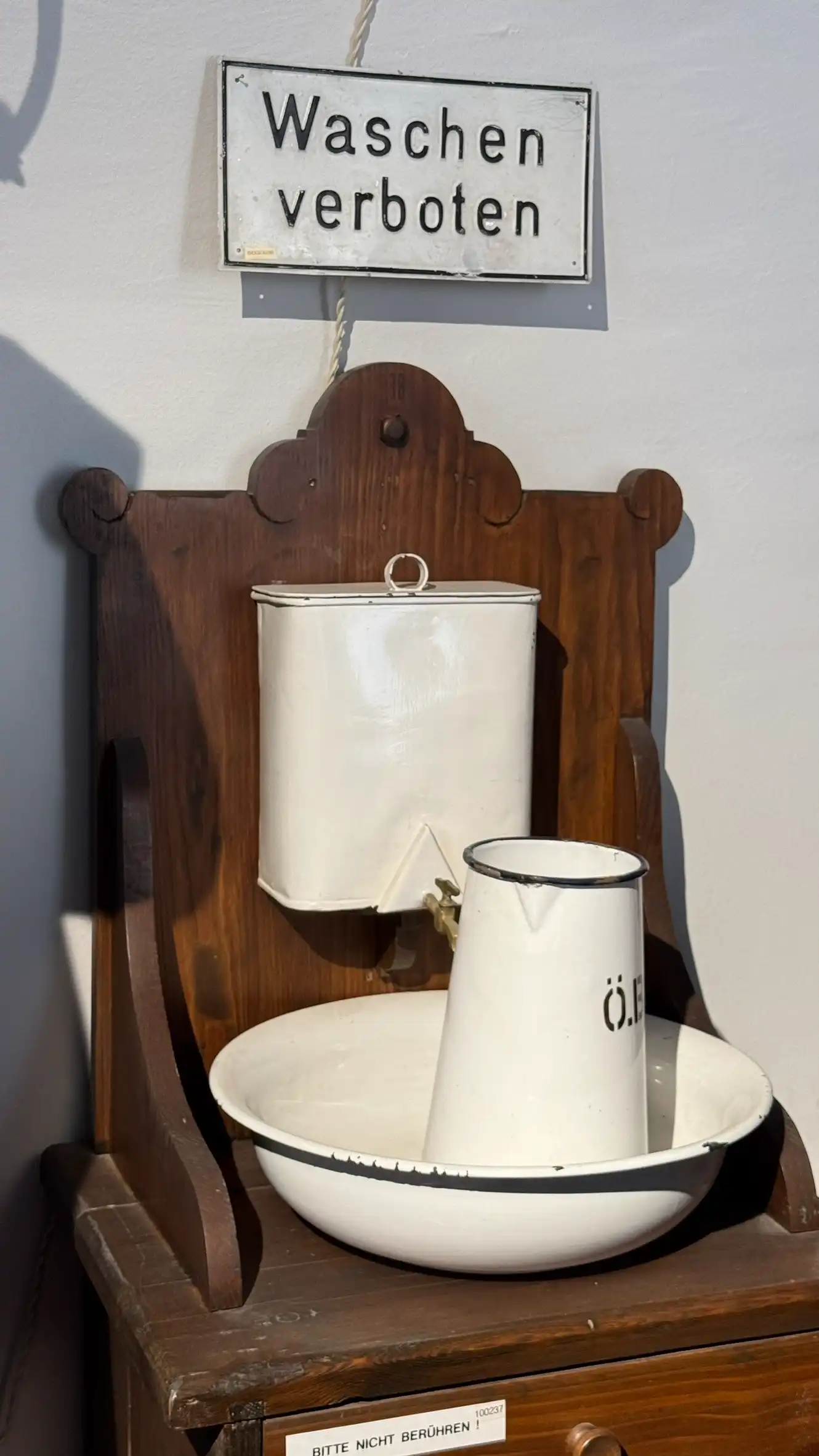
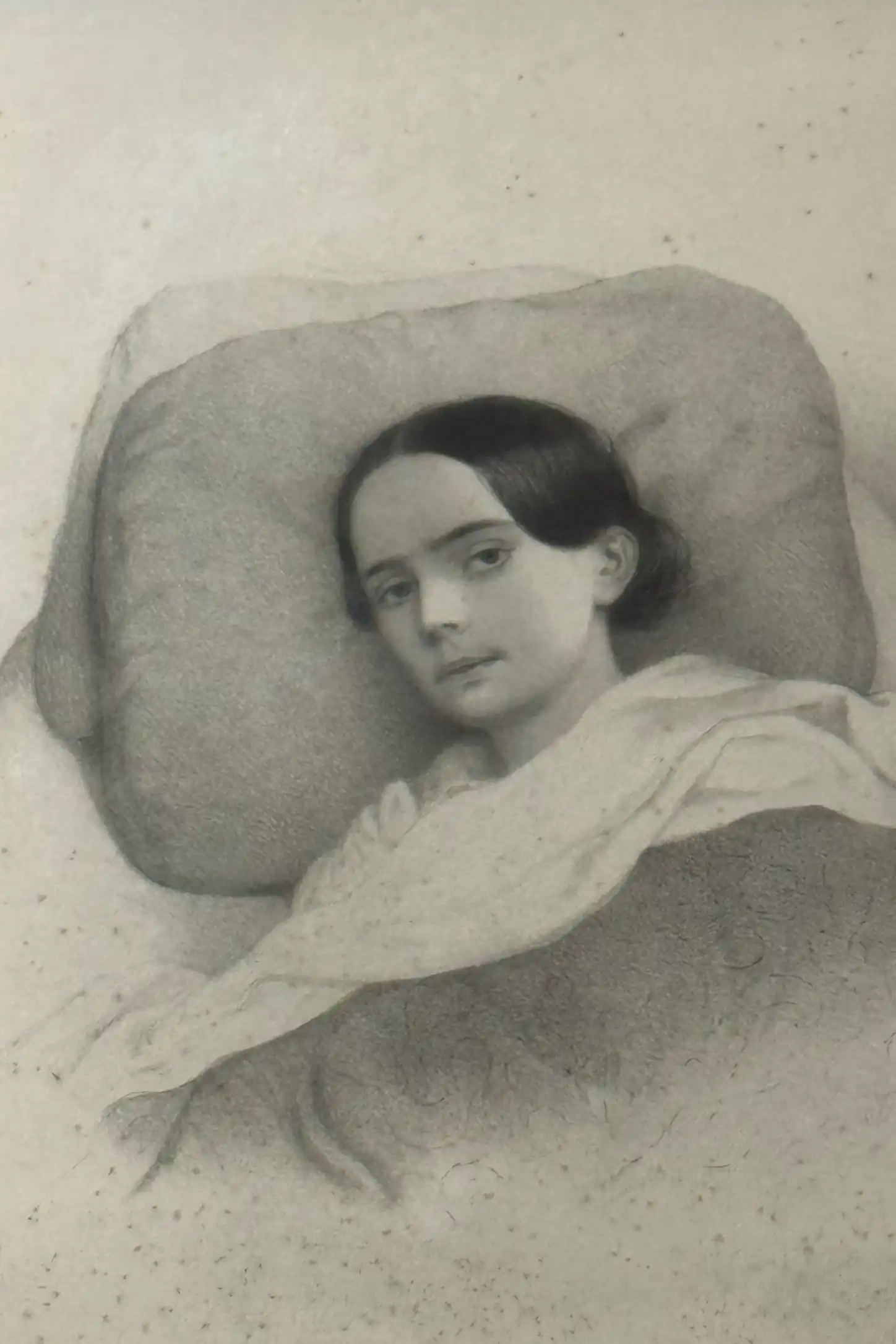
Spread across two floors, the museum guides visitors through the key eras of rail and road transport, with a special focus on the significance of St. Veit as a historical railway junction in Carinthia. The third floor is devoted to the rich and fascinating history of St Veit itself. On the ground floor, visitors will find an exhibition dedicated to some of the town’s oldest cultural associations – the Bürgerliche Trabantengarde St Veit and the St Veiter Bürger-Goldhauben-Frauen. In the same space, an annually changing special exhibition with a regional focus adds new and engaging highlights each year. Authentic artefacts, detailed models and multimedia stations bring the themes to life throughout the museum.
Whether you’re a history enthusiast, transport buff, or simply curious about the town’s past, the St. Veit Museum offers a well-rounded and fascinating experience for visitors of all ages.
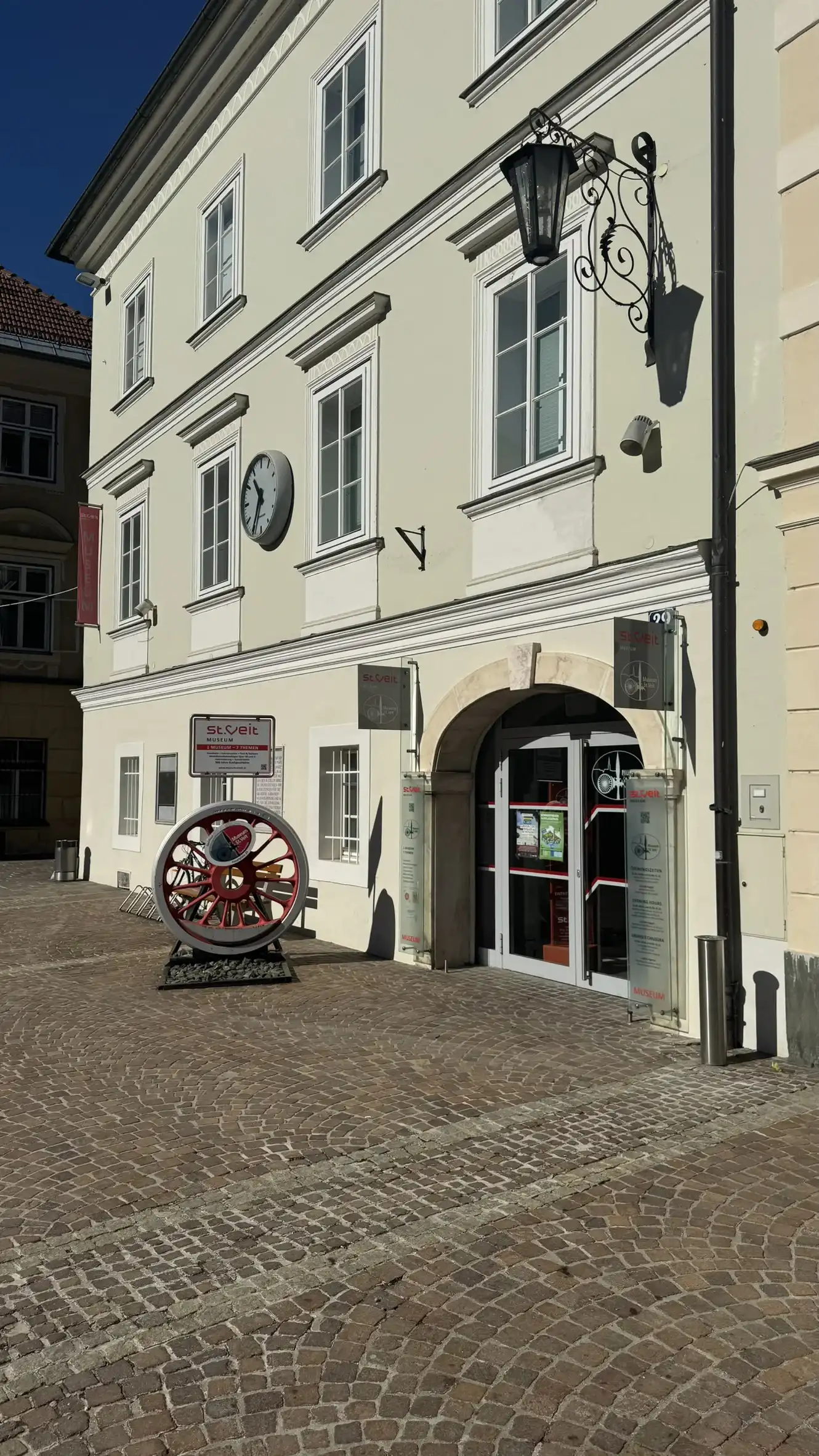
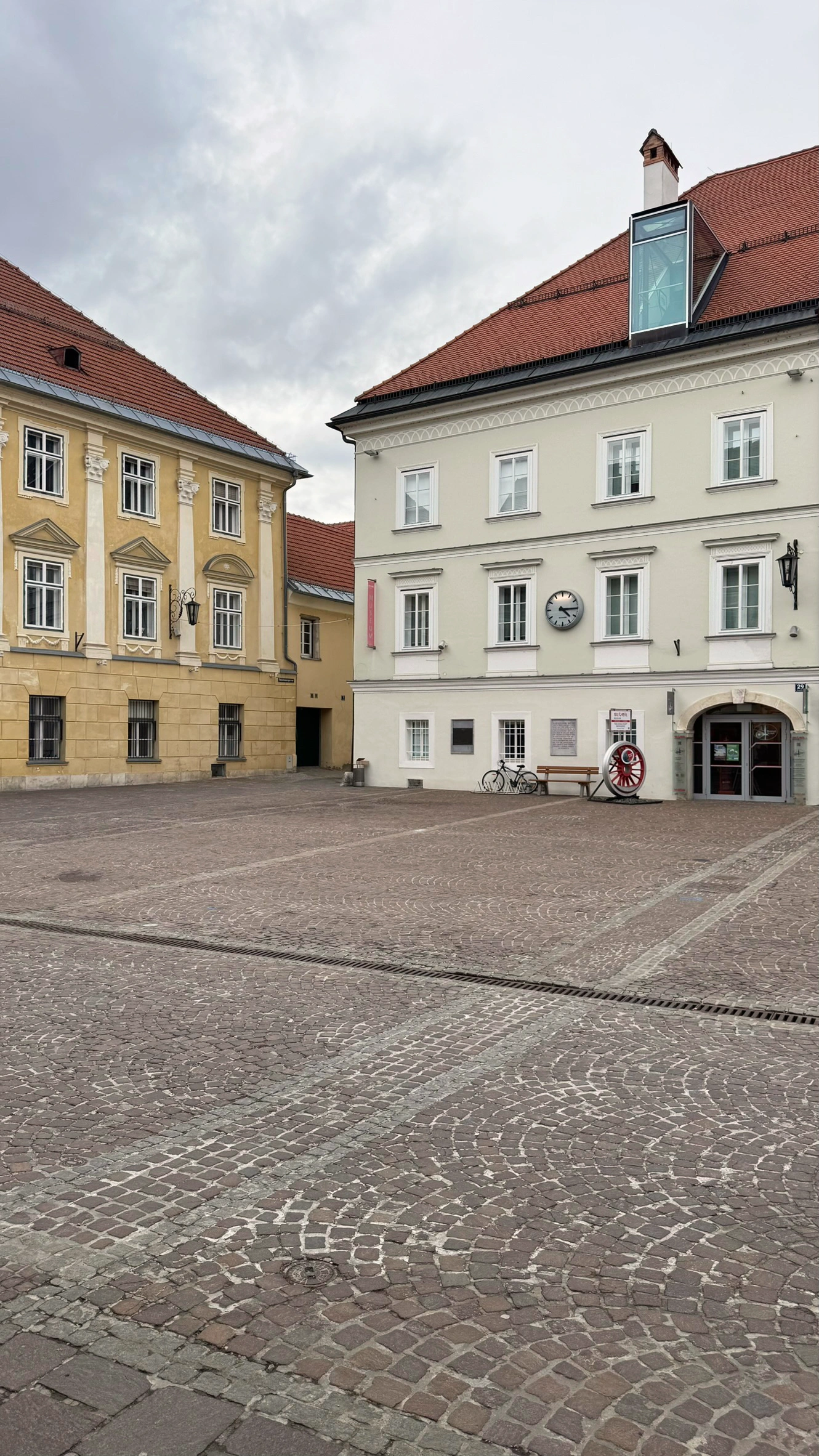
Museum’s Exterior | Gallery 1
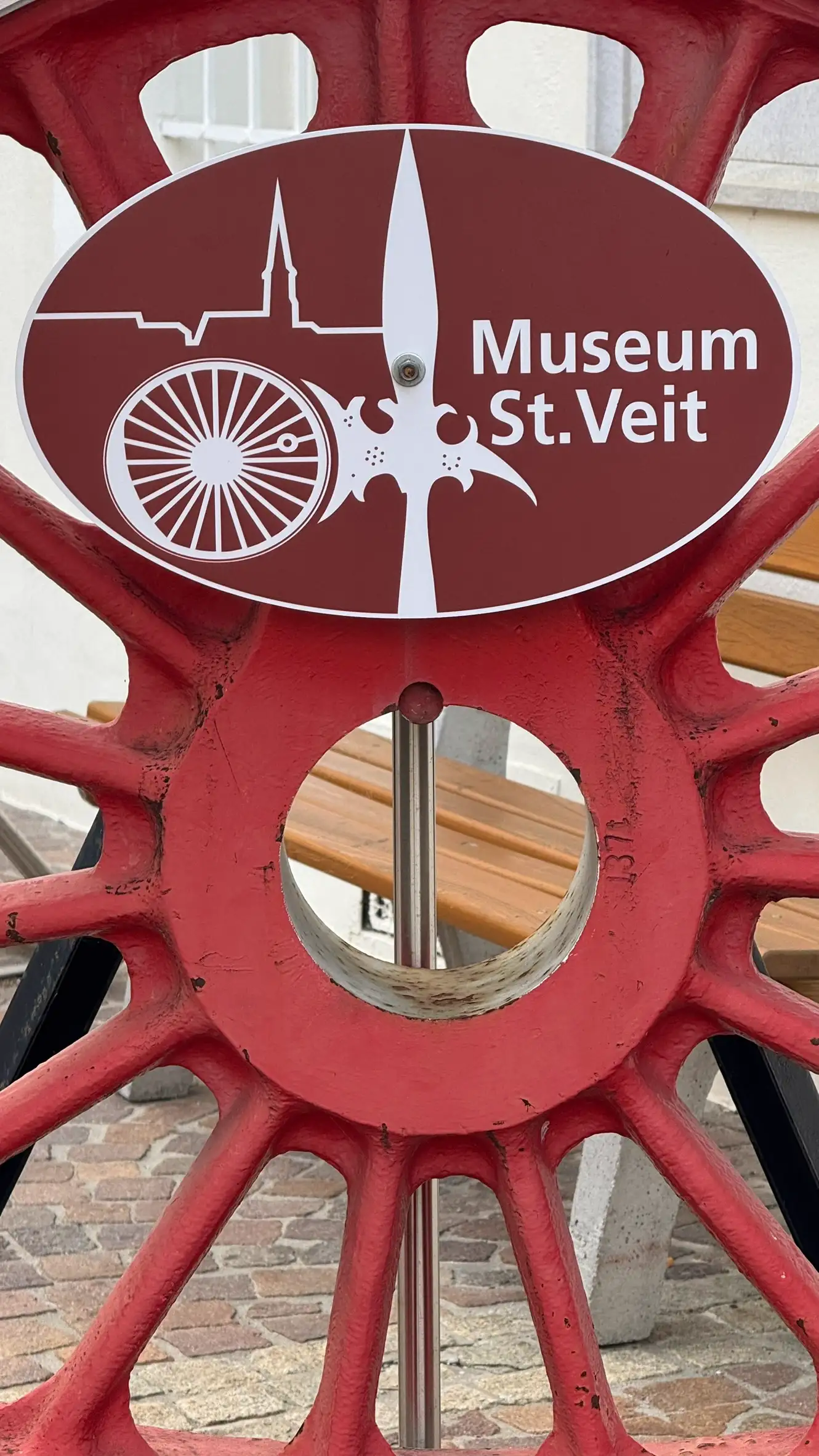
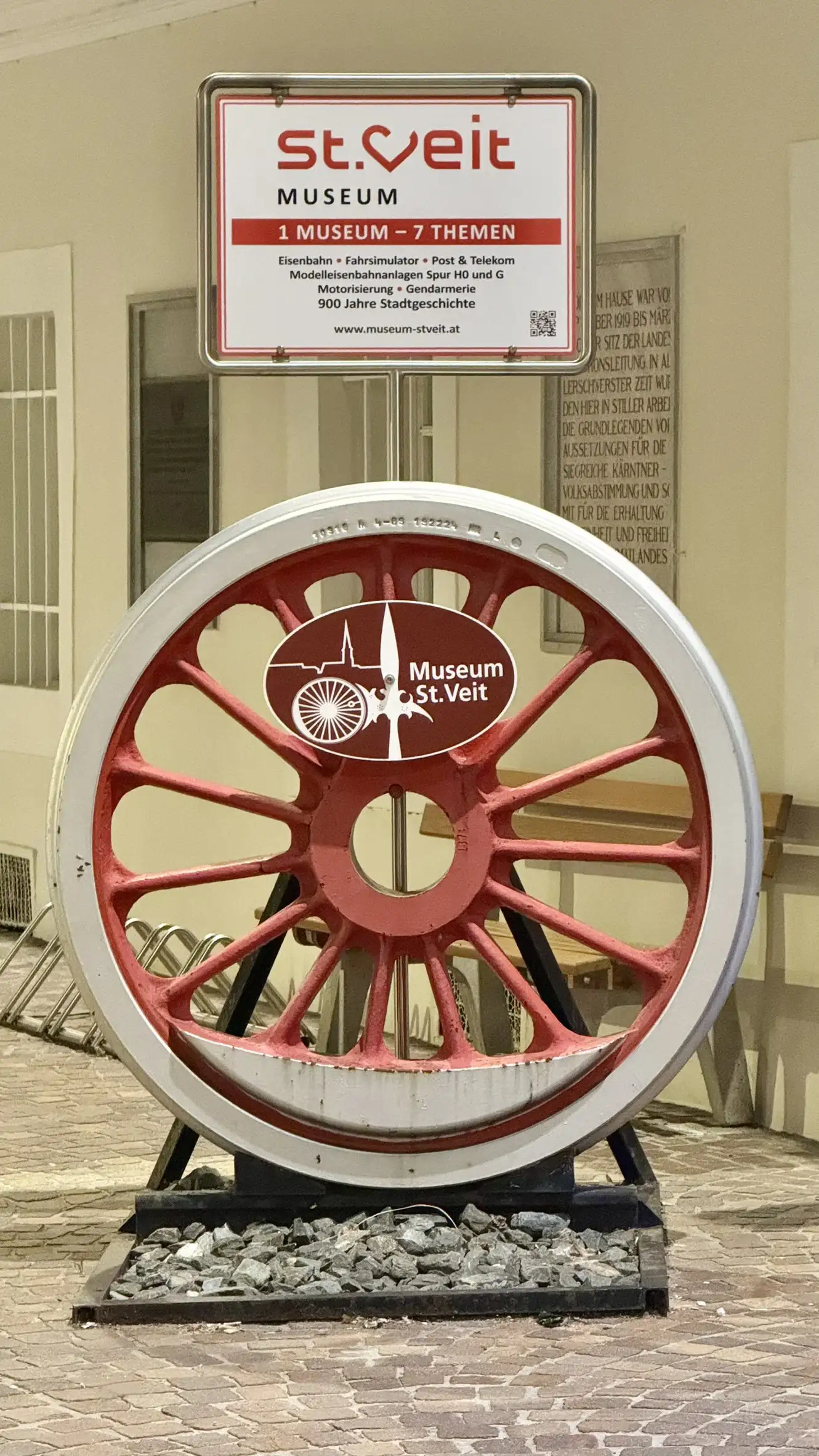
Spoked Locomotive Wheel – A Symbol of the Town’s Railway Heritage
A spoked locomotive wheel positioned at the entrance of the St. Veit Museum stands as a visible symbol of the town’s historical role as a railway hub.
This development began in the 19th century with the construction of the Crown Prince Rudolf Railway and has since become an integral part of St. Veit’s identity. In addition to local history, the museum places a particular focus on the theme of railways.
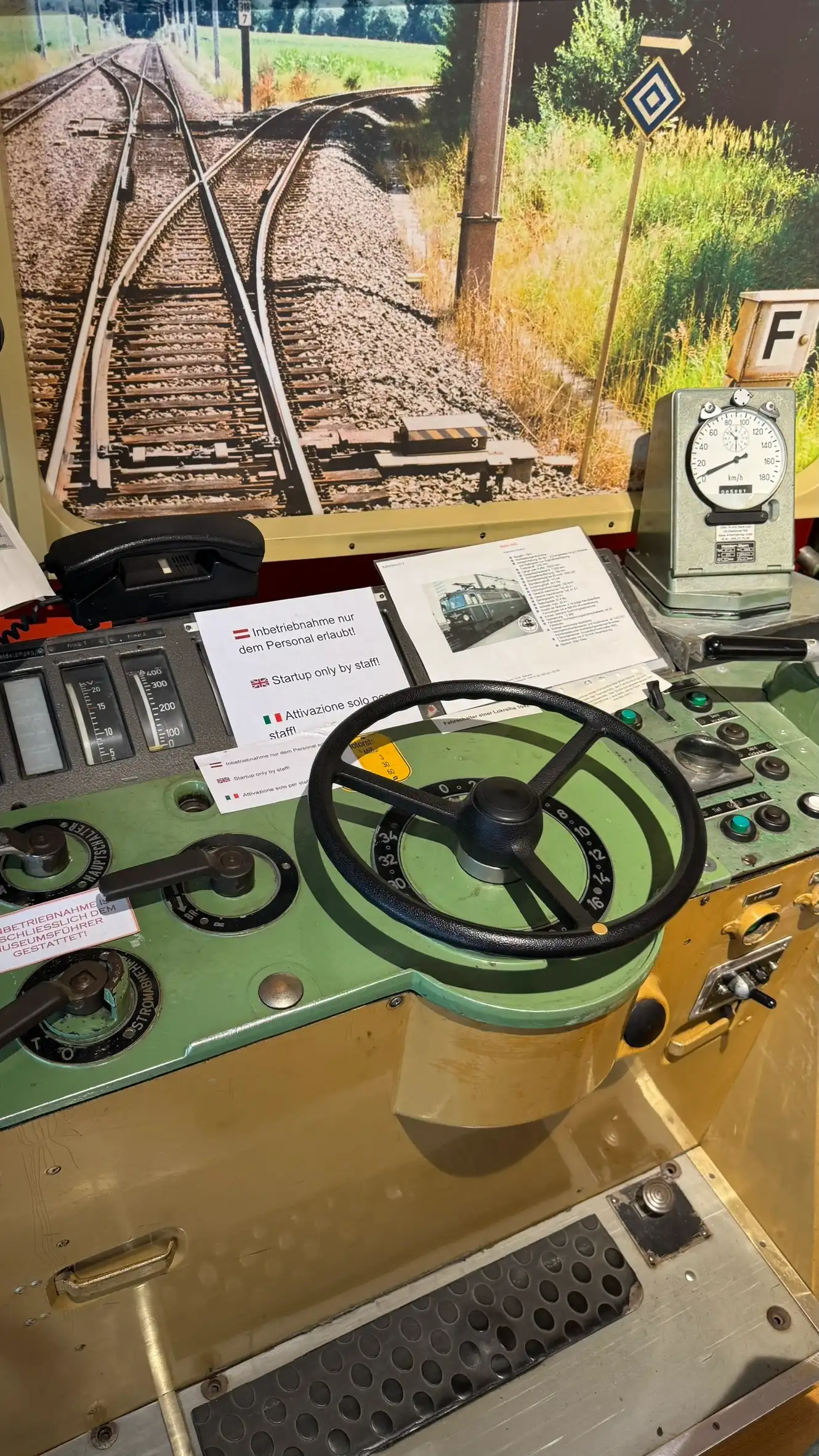
A comprehensive collection illustrates the rapid progress of railway technology – from the early days of horse-drawn trains to modern electric locomotives – and highlights the town’s former importance as a railway junction.
Historical Background
The construction of the Crown Prince Rudolf Railway in 1868 marked a turning point for the economic development of St. Veit an der Glan. The first station was built in Glandorf, at some distance from the town centre. In 1912, a new passenger station was established on the eastern edge of St. Veit, significantly improving access to the railway network. The Glandorf station continued to operate as a marshalling yard until it was officially decommissioned in 1990.
Museum’s Interior | Gallery 2
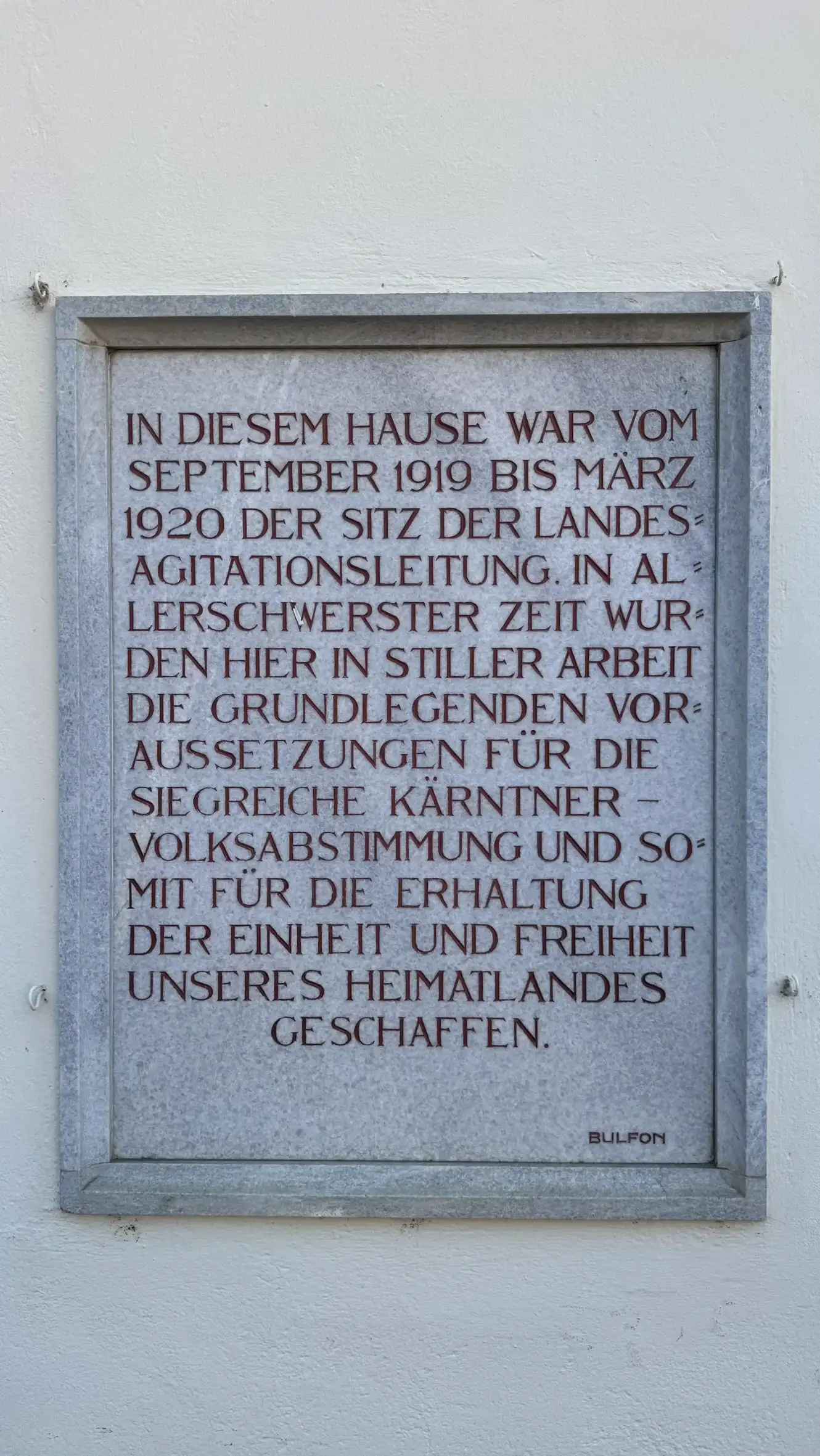
Inscription on the Memorial Plaque
In this building, from September 1919 to March 1920, was the seat of the State Agitation Leadership. In the most difficult of times, the fundamental preconditions for the victorious Carinthian referendum – and thus for the preservation of the unity and freedom of our homeland – were created here through quiet work.