Friedrich Schiller Monument
History of the Monument
The Schiller Monument was originally erected in 1905 and later supplemented and restored in 1925. Its most recent full restoration took place in 1997.
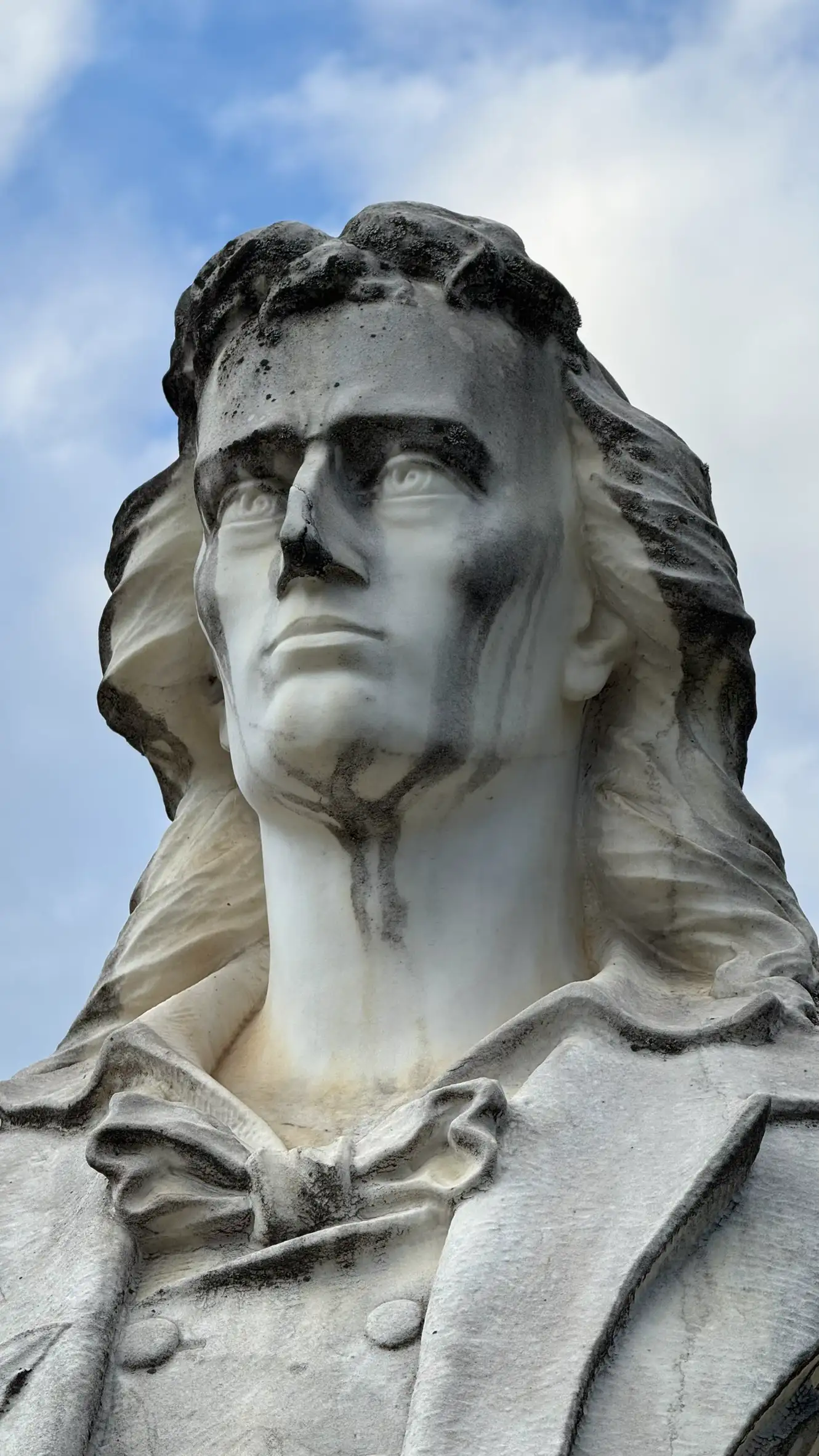
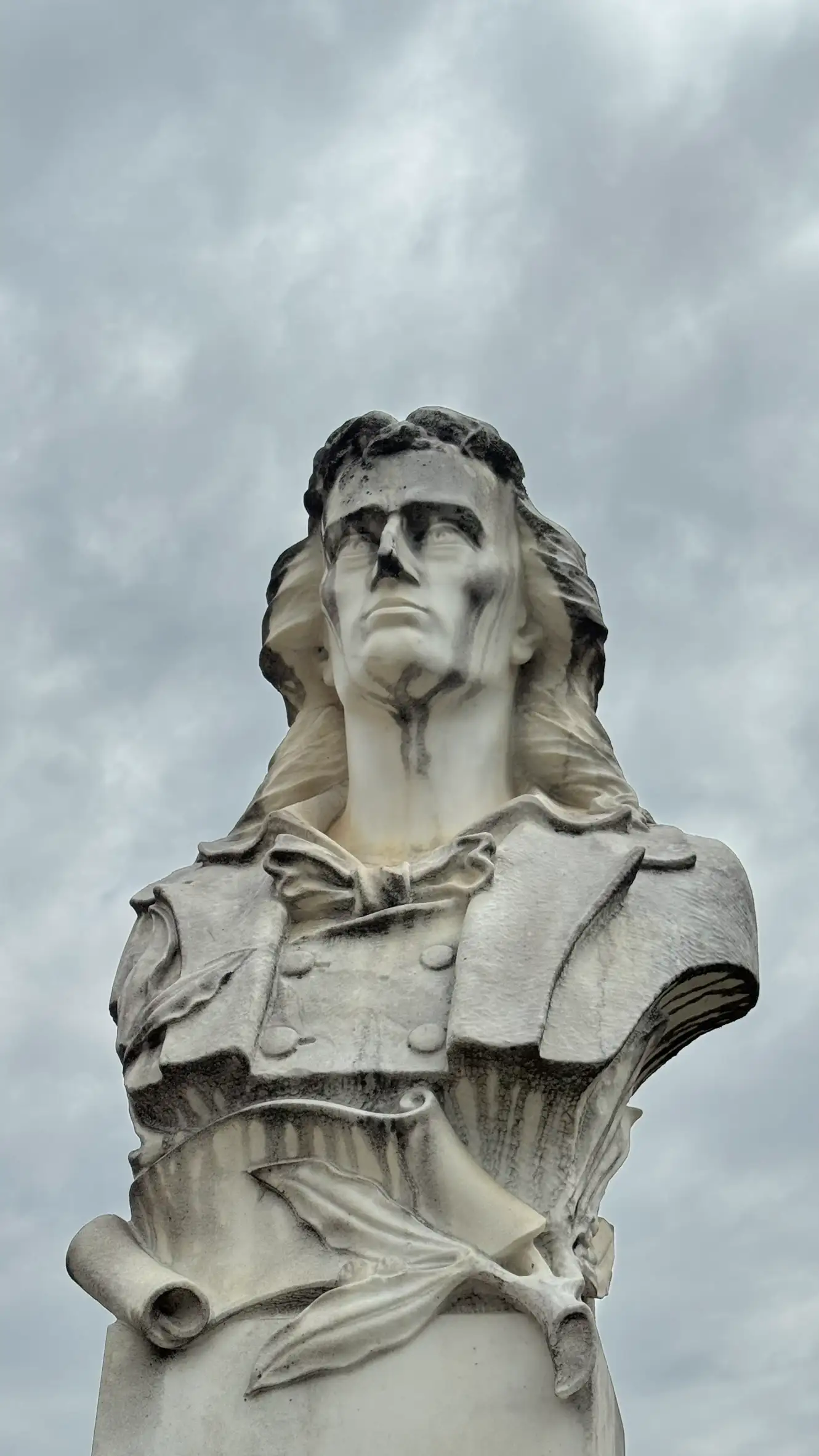
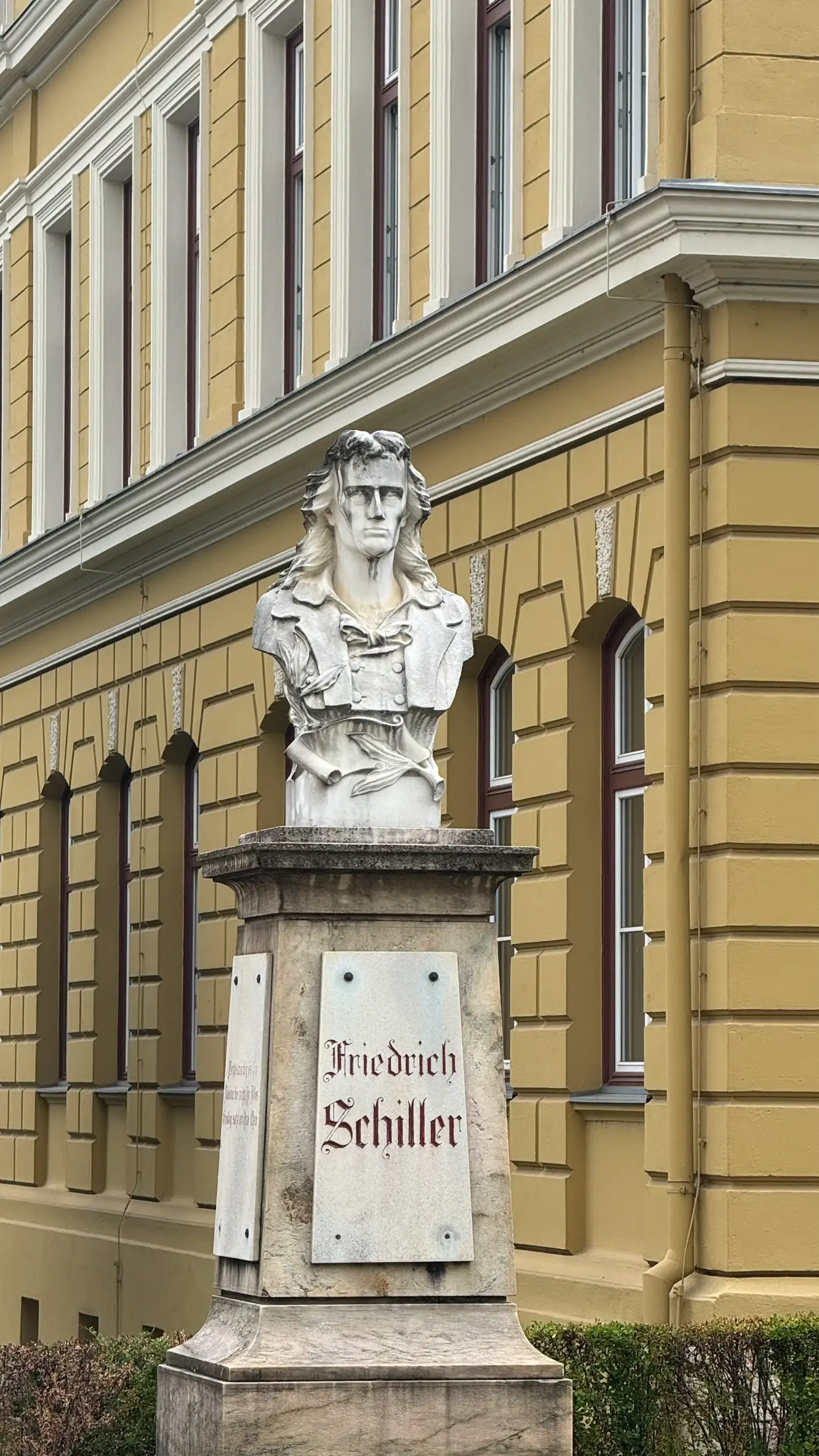
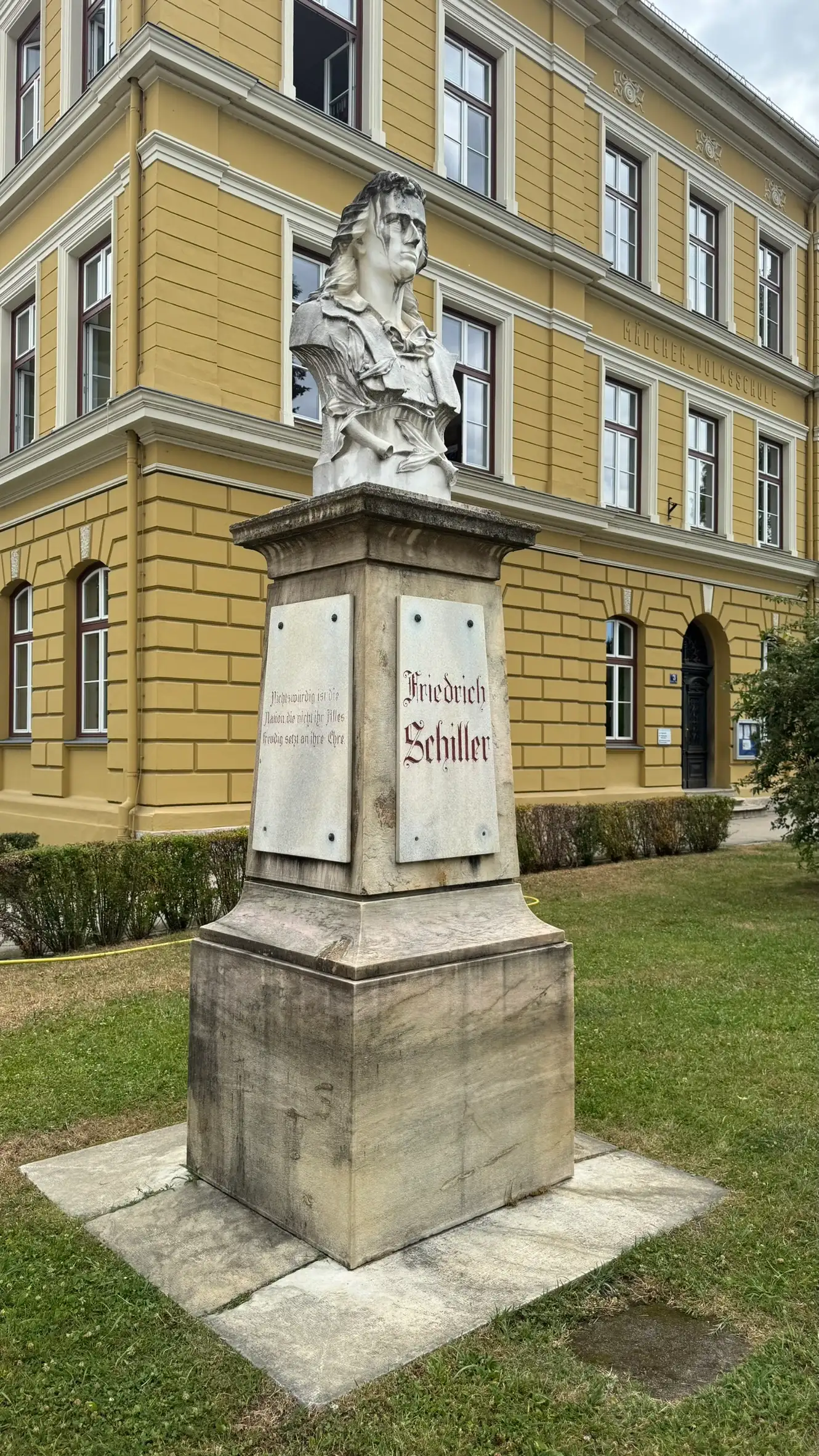
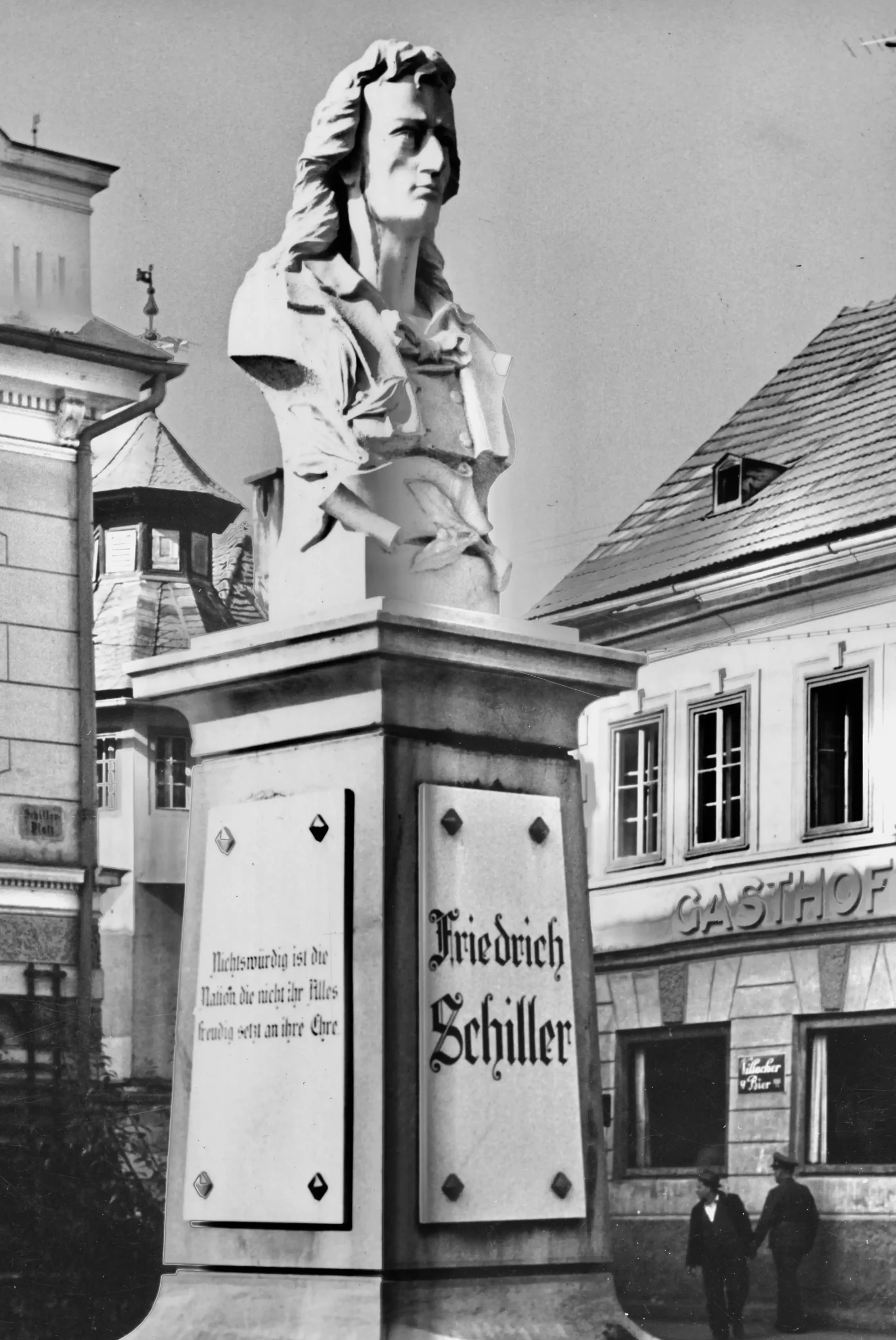
The monument consists of a square stone pedestal that tapers slightly towards the top. Positioned above it is a bust of the poet Friedrich Schiller, crafted from locally sourced St. Veit marble.
Background & Significance
Numerous monuments were dedicated to Friedrich Schiller (1759–1805) throughout the German-speaking world during the 19th and early 20th centuries – not only at places he lived or worked, but also in towns and cities that wished to honour his legacy.
The St. Veit monument is part of this wider cultural movement that sought to celebrate German literature and Enlightenment ideals.
Relocation History
The monument was originally located on the opposite side of the street, at the entrance to the Untere Platz (Lower Square). Over the decades, it was relocated to better integrate it into the urban landscape and to ensure its preservation.
A Place of Reflection
This monument invites visitors to pause and reflect on the life and work of one of the most important German-language dramatists, poets, and philosophers. Schiller’s plays – such as The Robbers, Wallenstein, and William Tell – remain pillars of world literature to this day.
Inscriptions
Inscriptions on the pedestal, translated into English:
East side: Join yourself to your dear homeland – hold fast to it with all your heart.
South side: It is a person’s will that makes them great or small.
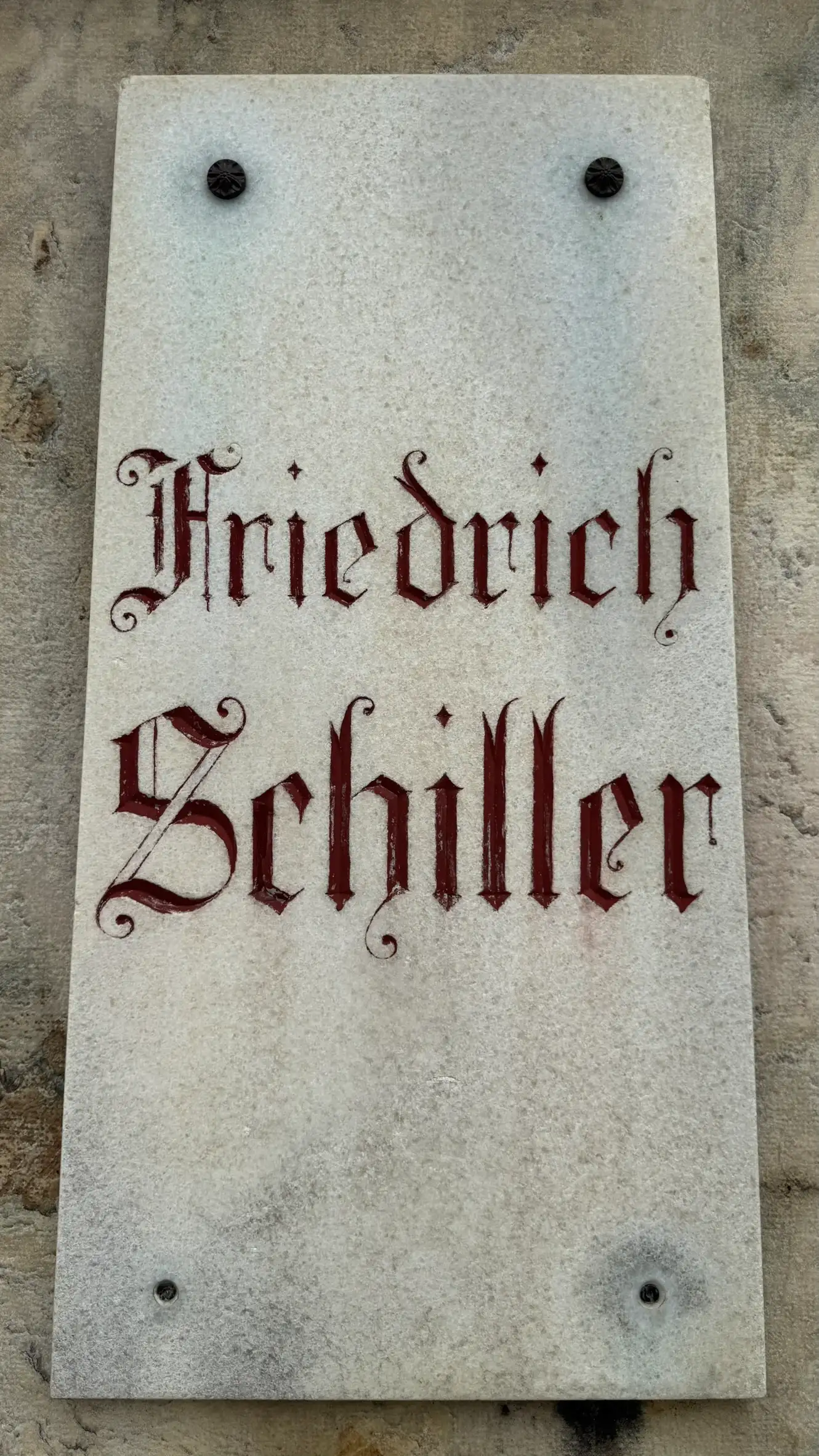
West side: Friedrich Schiller
North side: Unworthy is the nation that does not joyfully risk all for its honour.
Location
The monument stands on Schillerplatz, on the lawn in front of the primary school in St. Veit.
Historical Photograph
Image Source: Archive of the Municipal Authority of St. Veit an der Glan
Schiller Monument
Photograph taken circa 1965
The Schiller monument was originally located on the opposite side of the street, at the entrance to the lower square (Unterer Platz). Over the decades, it was relocated to its current position in front of the primary school.