

Herzog Bernhard Square
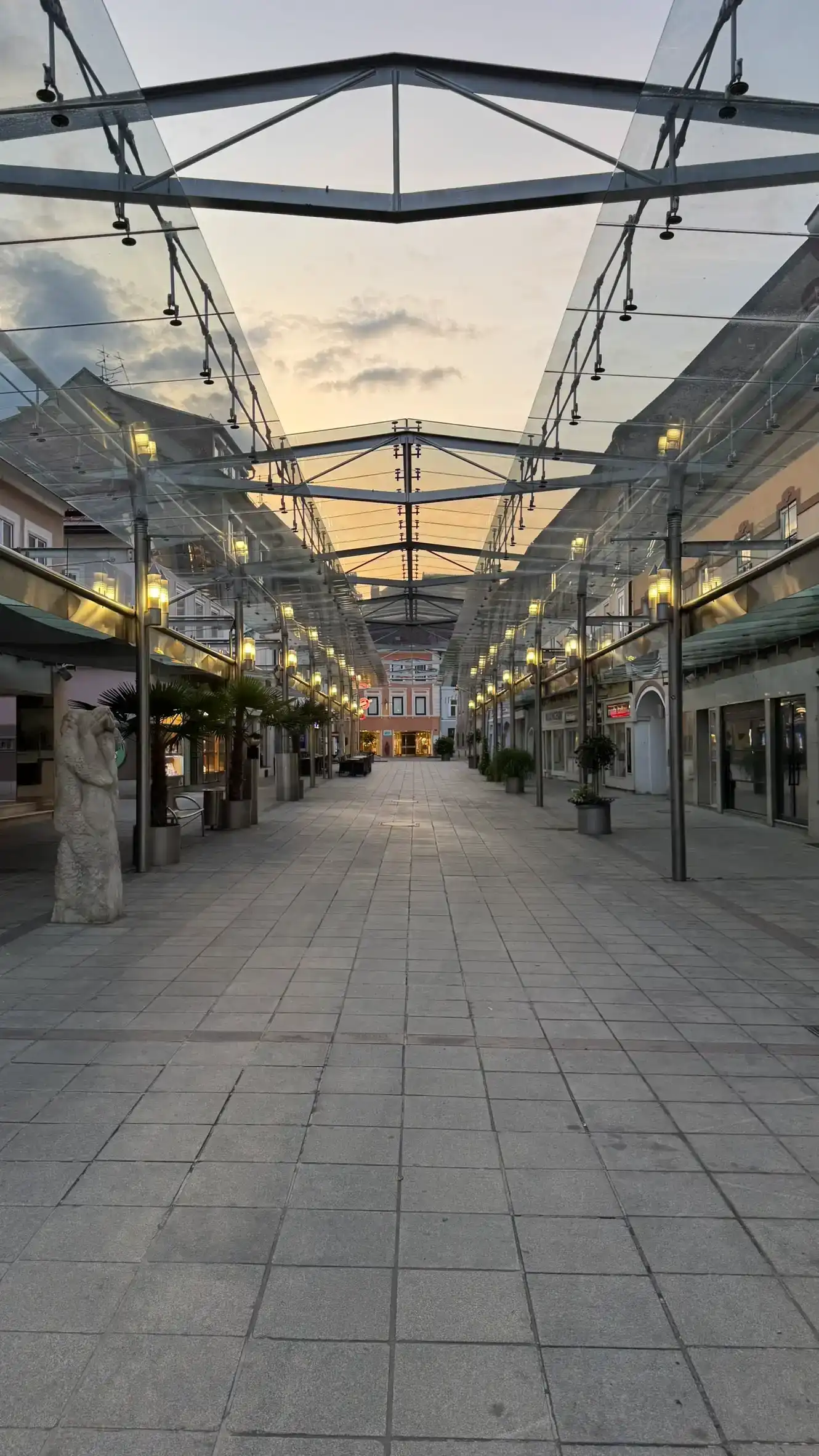
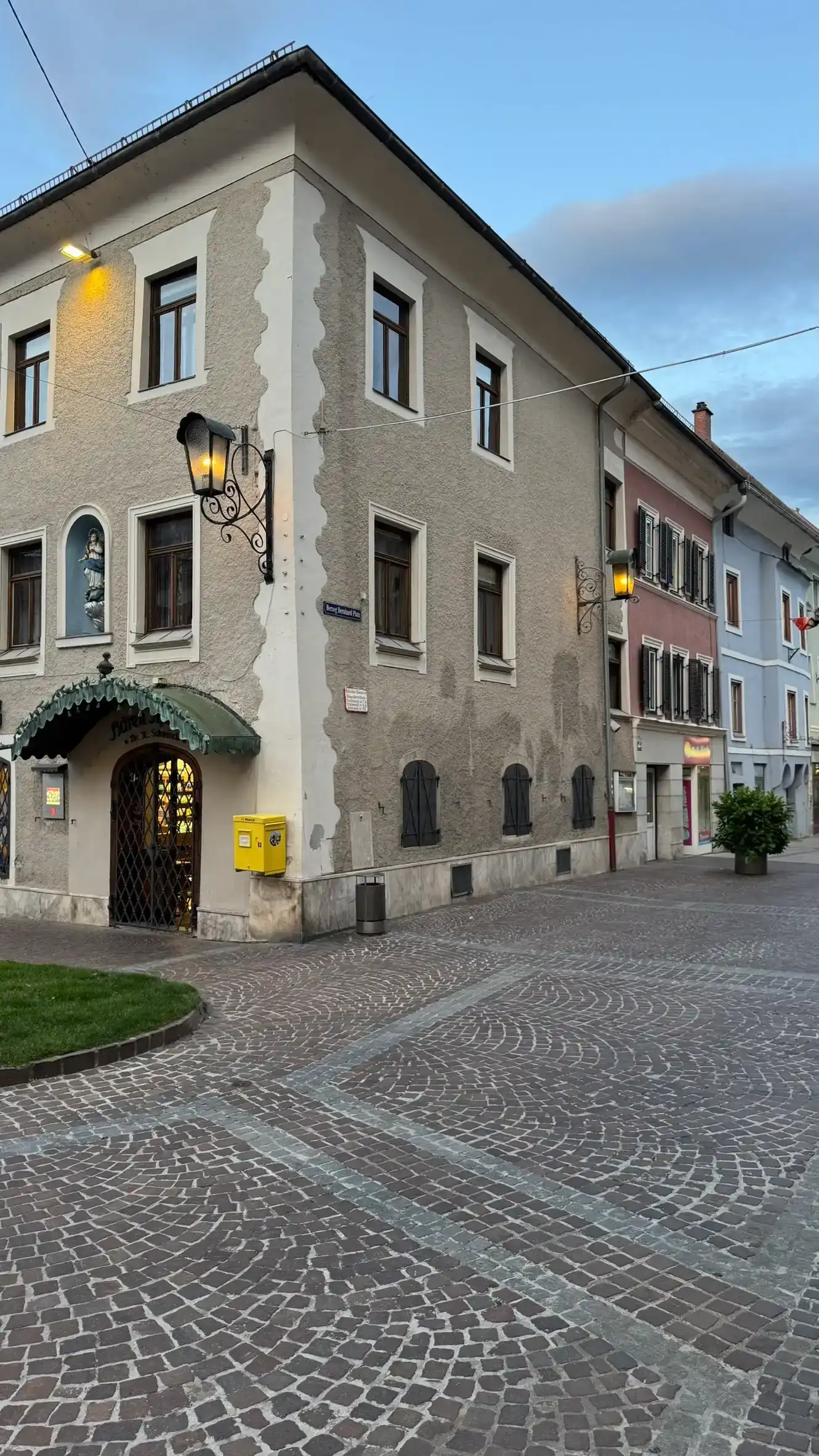
Herzog-Bernhard-Platz is a prominent pedestrianised square in the historical centre of St. Veit an der Glan. Approximately 100 metres in length, it connects Unterer Platz and Ossiacher Bundesstraße 894, serving as a vital pedestrian link between the old town and modern thoroughfares.
The square is named after Duke Bernhard von Spanheim, who ruled Carinthia from 1202 to 1256 CE. A significant figure in the region’s medieval history, Duke Bernhard was instrumental in the development of St. Veit an der Glan, promoting trade and urban growth.
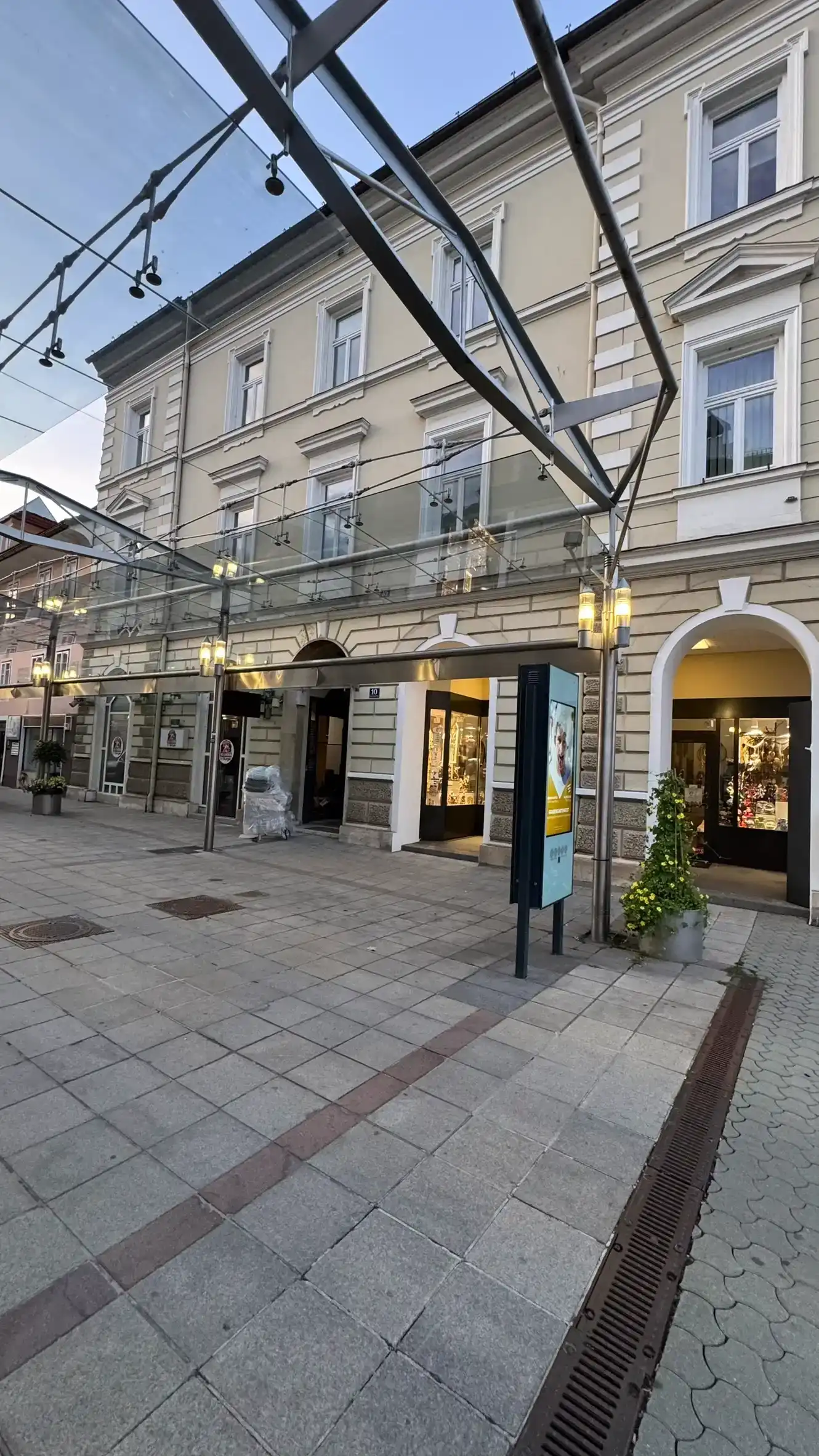
Herzog-Bernhard-Platz is characterised by its granite paving and a distinctive glass canopy, known as the Glaspassage, which provides shelter while maintaining an open, airy feel. This modern addition complements the square’s historical architecture, creating a harmonious blend of old and new.
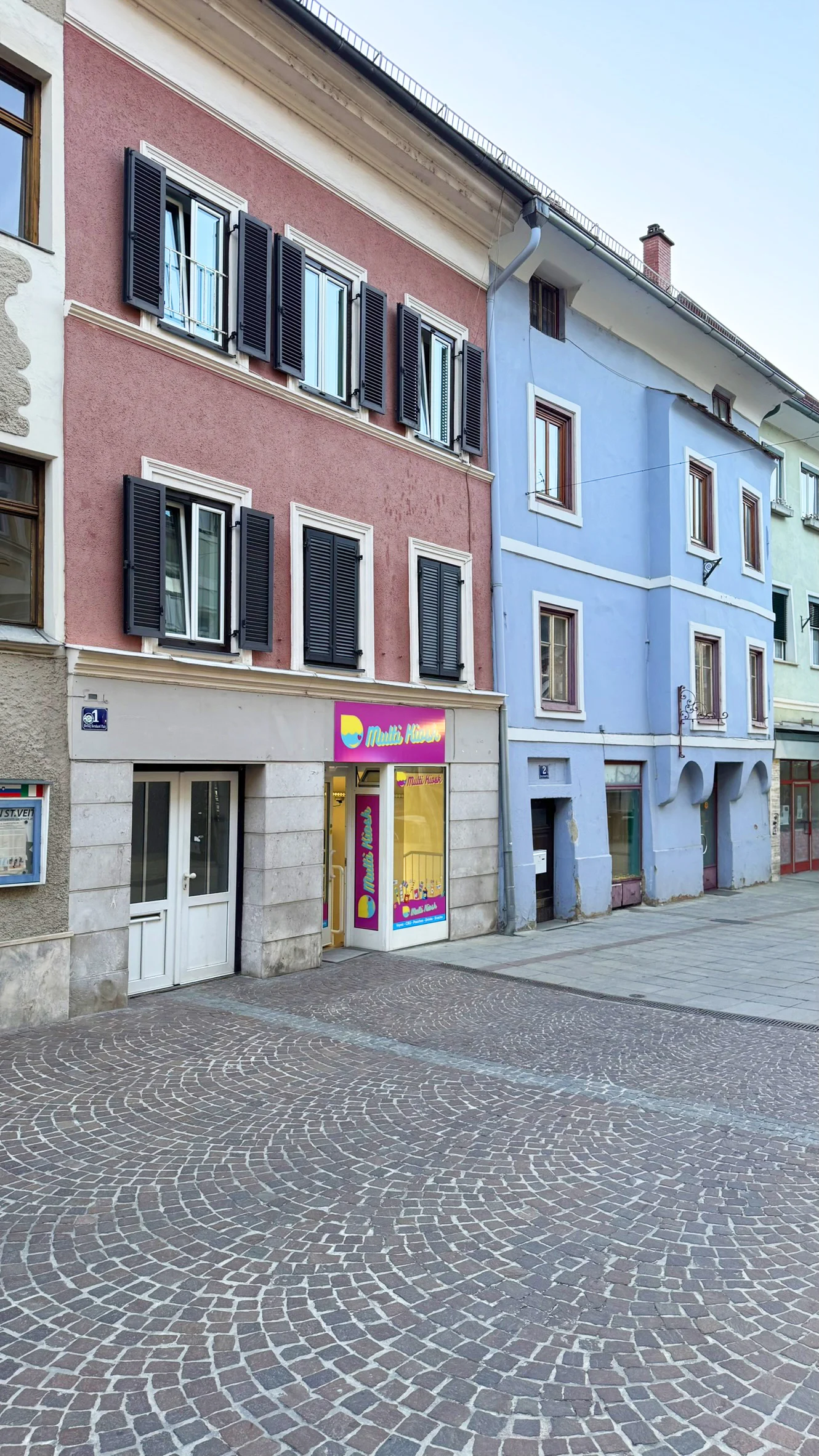
Lined with a variety of shops, the square offers a mix of retail outlets, cafes, and restaurants, making it a popular destination for both locals and visitors.
The square’s design and function reflect the town’s commitment to preserving its rich heritage while embracing contemporary urban planning, ensuring that Herzog-Bernhard-Platz remains a central and dynamic part of St. Veit’s urban landscape.
Naming History of Herzog-Bernhard-Platz
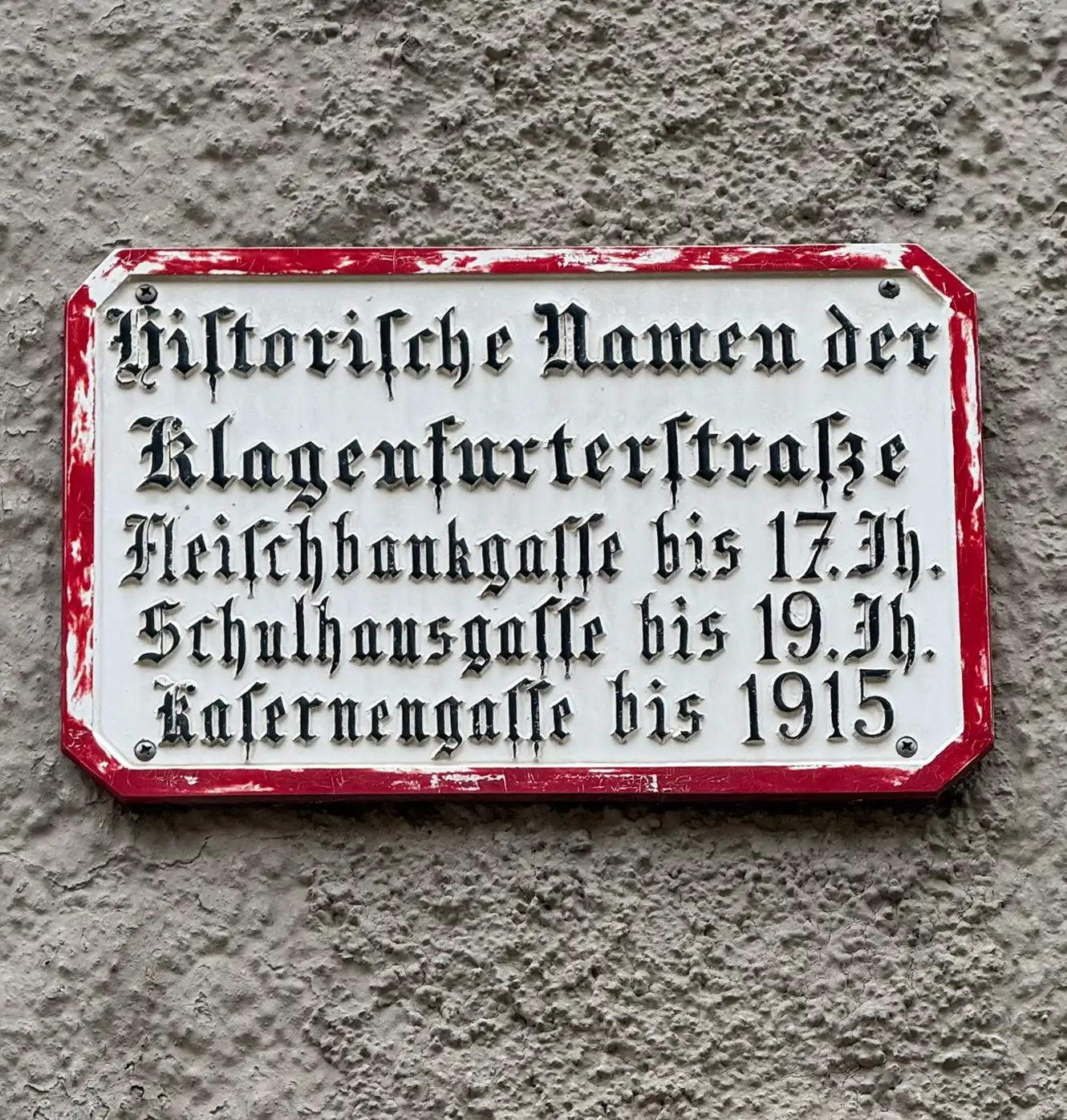
The square known today as Herzog-Bernhard-Platz has undergone several changes of name over the centuries, each reflecting shifts in the town’s character and use.
Fleischbankgasse – In earlier times the street was associated with the meat market, hence its designation as the Butchers’ Alley.
Schulhausgasse – Later, the presence of a school gave rise to the name Schoolhouse Alley.
Kaserngasse – With the establishment of military facilities, the street came to be called Barracks Alley.
Klagenfurter Straße – In the modern period it was known by the more functional name Klagenfurt Road, denoting the route leading towards the provincial capital.
Herzog-Bernhard-Platz – The present name honours Duke Bernhard of Spanheim (1202–1256), under whose rule St Veit rose to prominence as a ducal residence and was granted town privileges in 1224.
Thus, the sequence of names mirrors the evolving civic, educational, military, and urban functions of the area before settling on a designation that commemorates one of Carinthia’s most significant medieval rulers.
Historical Photographs
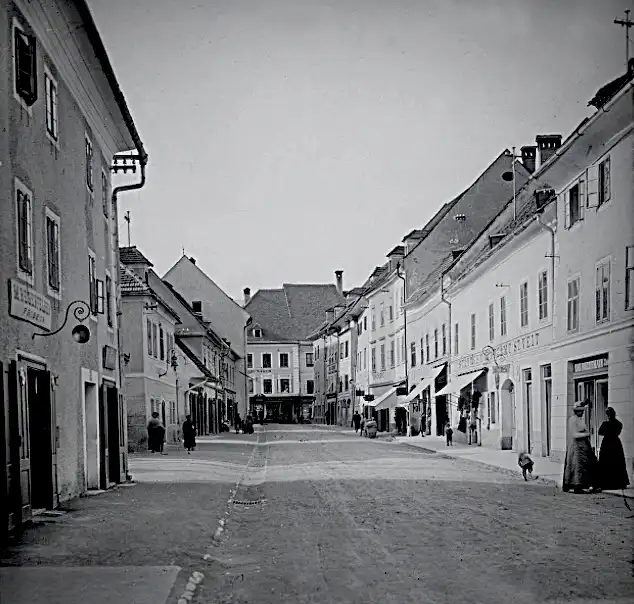
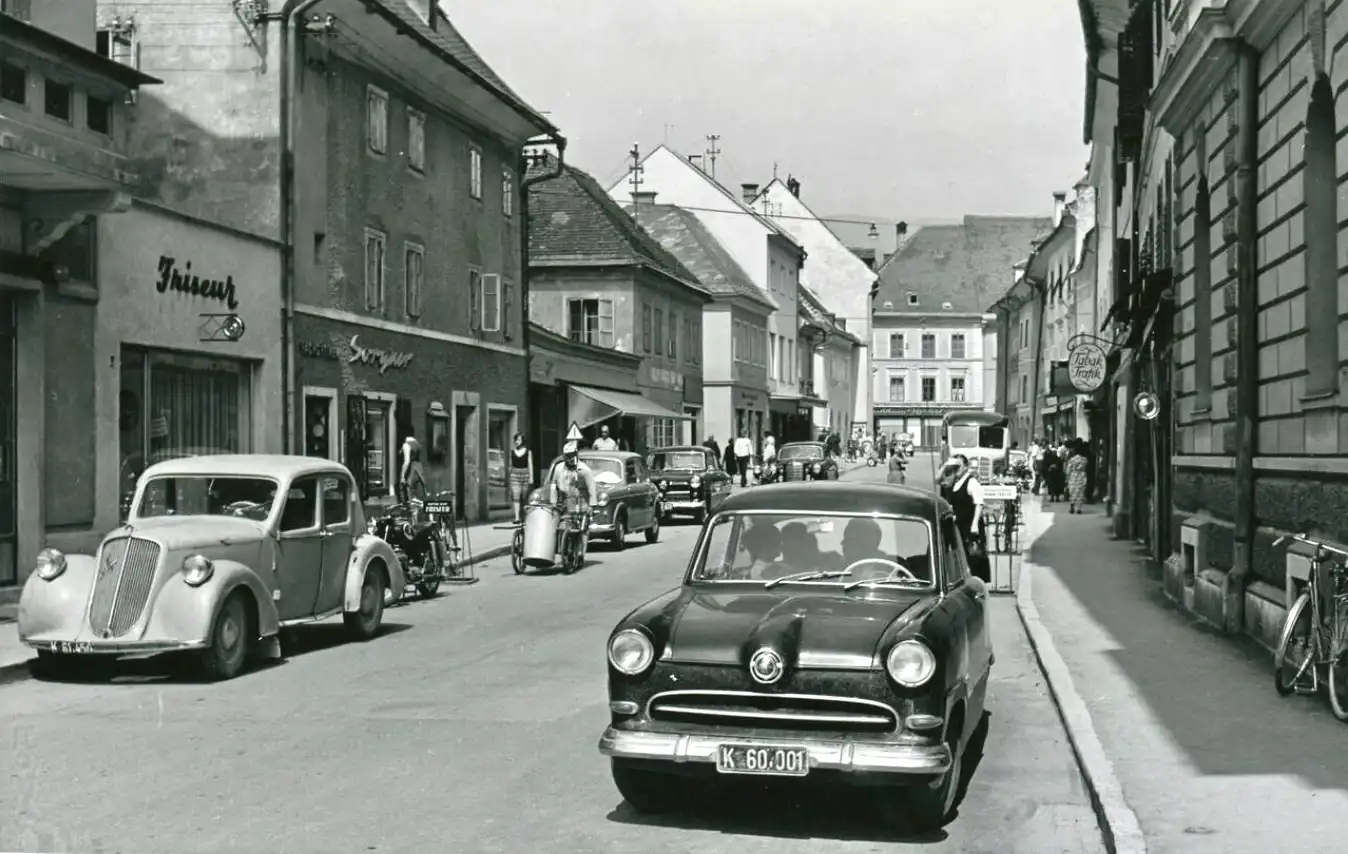
Image Source: Archive of the Municipal Authority of St. Veit an der Glan
Herzog Bernhard Platz
Camera Position: Near the former site of the Klagenfurter Gate Tower
View Direction: Towards North-West
Photograph taken in 1914
Glass Plate Photography
Herzog Bernhard Platz
Camera Position: Near the former site of the Klagenfurter Gate Tower
View Direction: Towards North-West
Photograph taken around 1960
Bernhard von Spanheim
(born c. 1176/1181; died 1256)
Bernhard von Spanheim ruled as Duke of Carinthia from 1202 to 1256. Son of Hermann II and Agnes of Austria, he succeeded his brother Ulrich II and established his power around St Veit, Klagenfurt, and Völkermarkt.
A skilled politician, he supported the Hohenstaufens and oversaw major urban and economic developments. He relocated Klagenfurt, granted it city rights in 1252, and founded a mint in St Veit. He also secured key Alpine passes and established the Cistercian monastery of Mariabrunn.
Bernhard married Judith of Bohemia, with whom he had four children, including Ulrich III and Philip, future church leaders. He died in 1256 in Völkermarkt and was buried at St Paul in the Lavant Valley.
With no surviving male heirs, he named Margrave Ottokar III of Bohemia as his successor, marking the decline of Spanheim power.