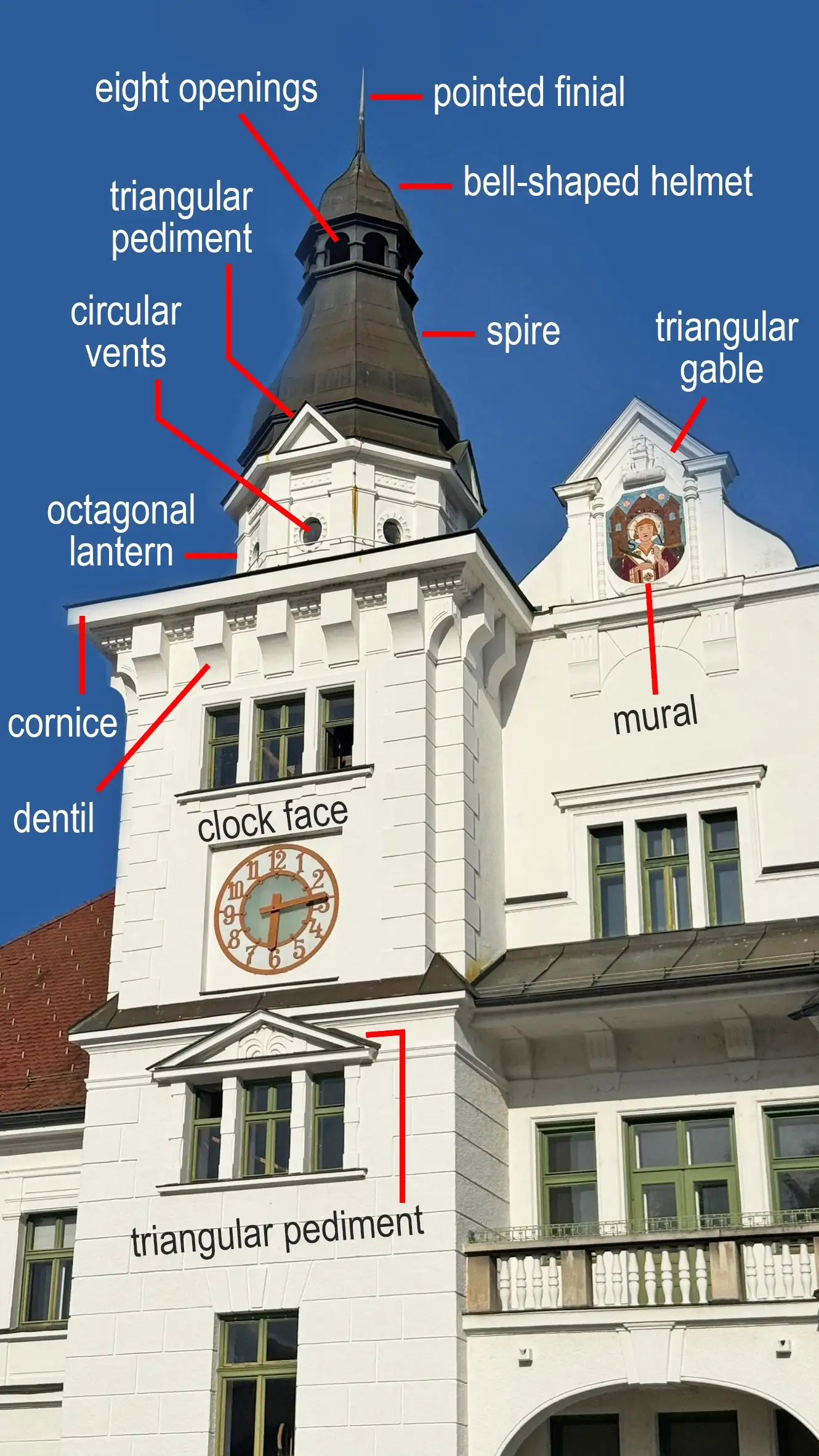
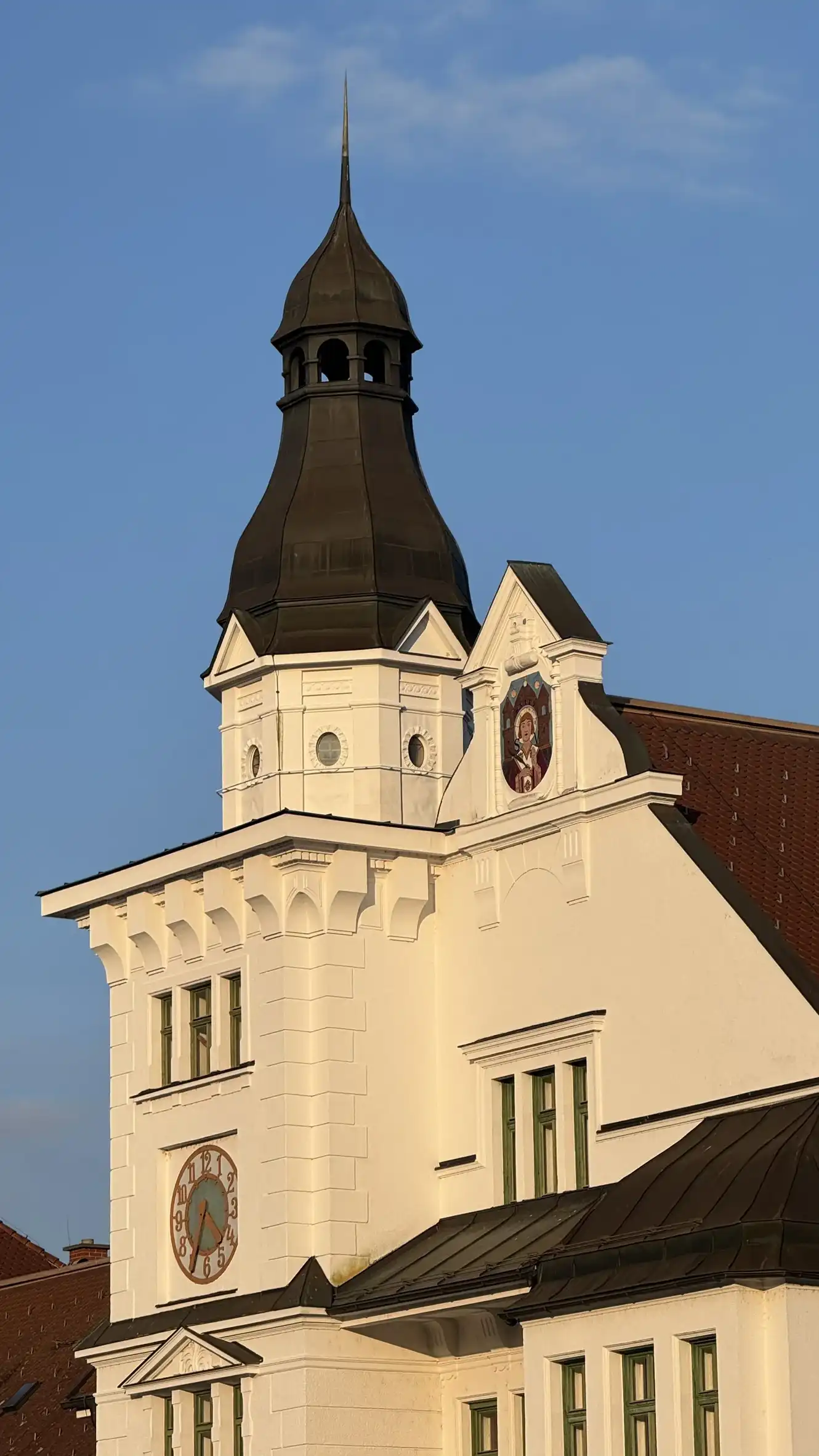
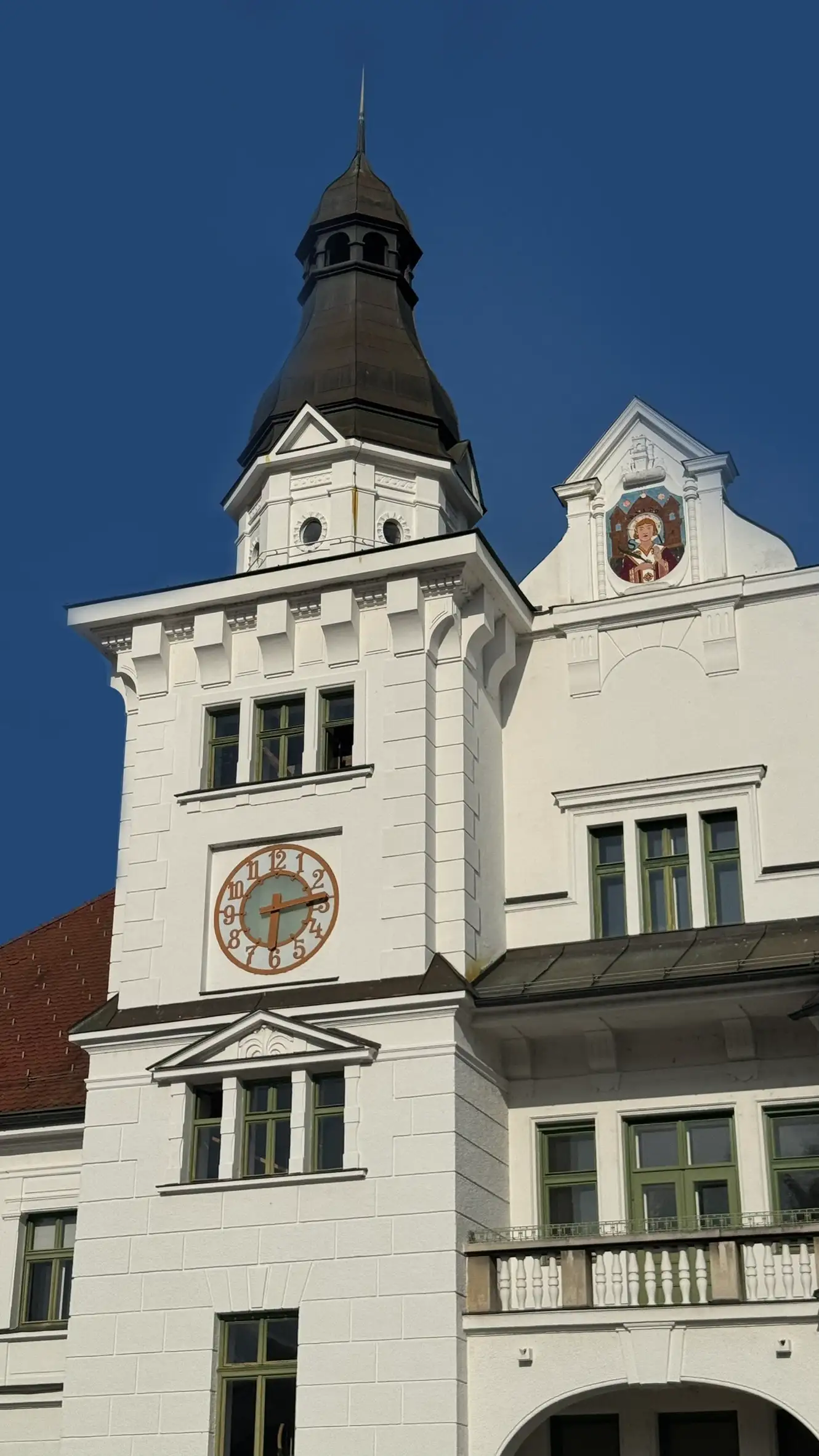
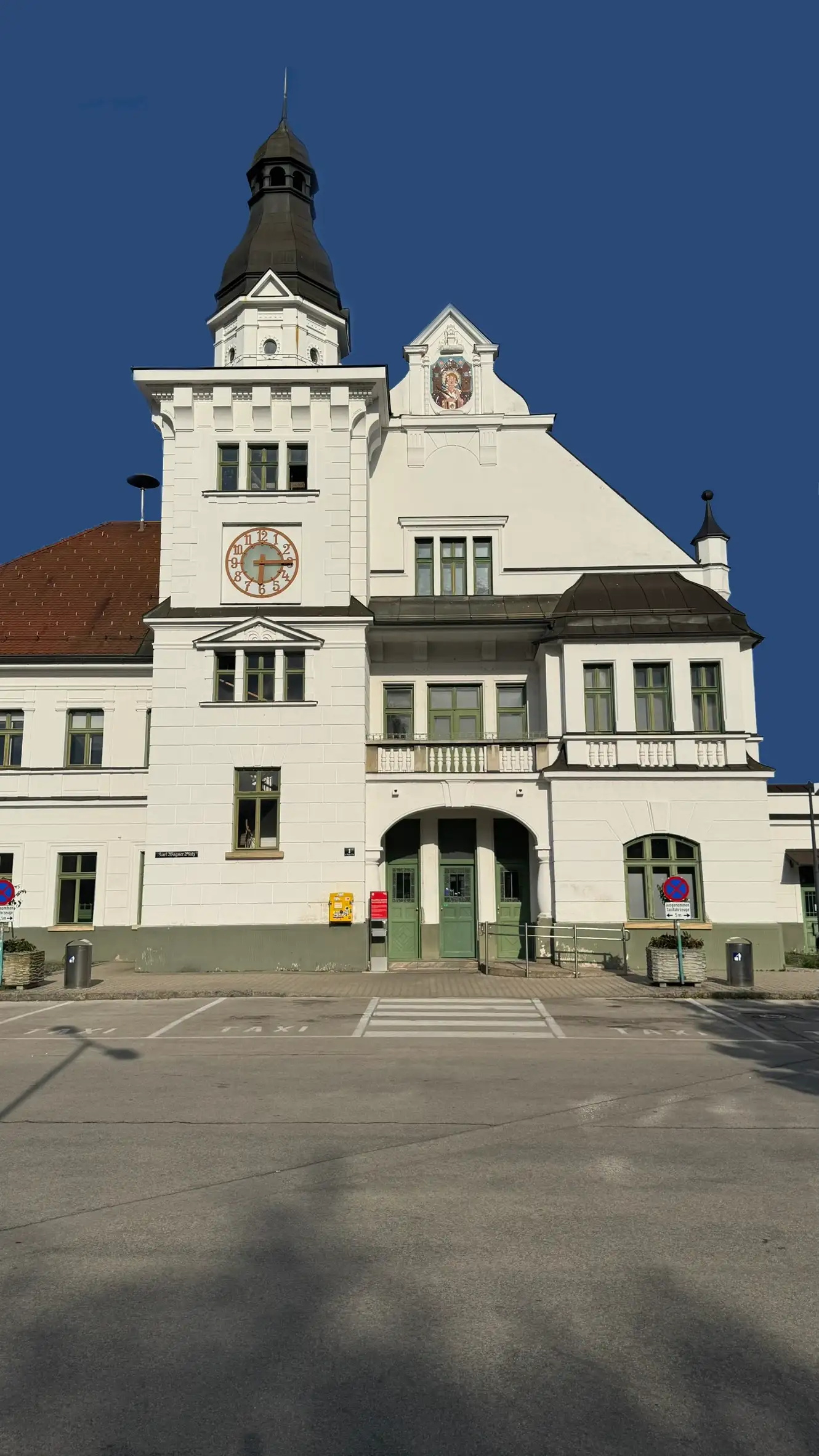
The St Veit Railway Station was constructed between 1911 and 1913 according to plans by architect Hans Granichstaedten, in the so-called Heimatstil – a regionally inspired architectural style that combines traditional design elements with modern construction methods.
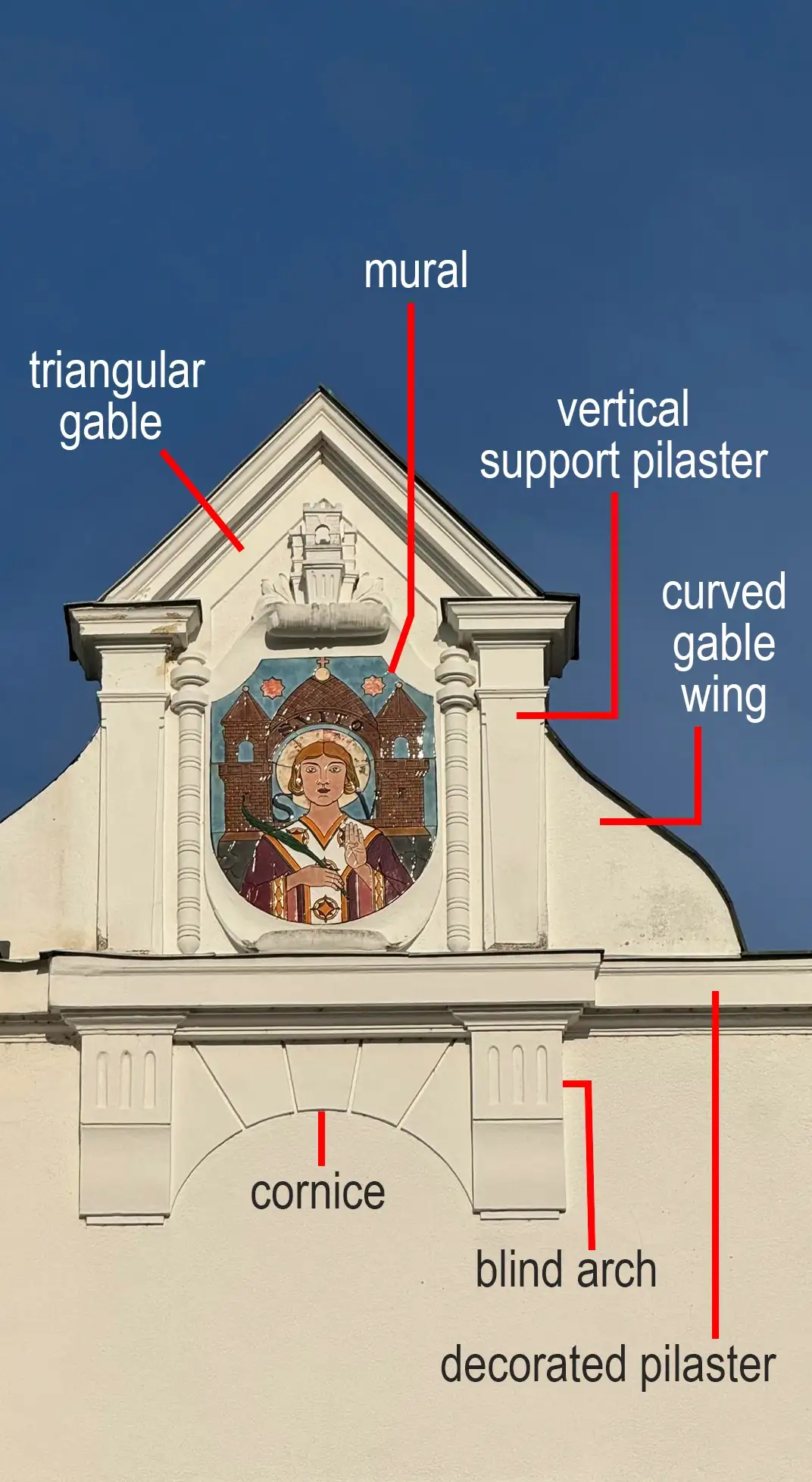
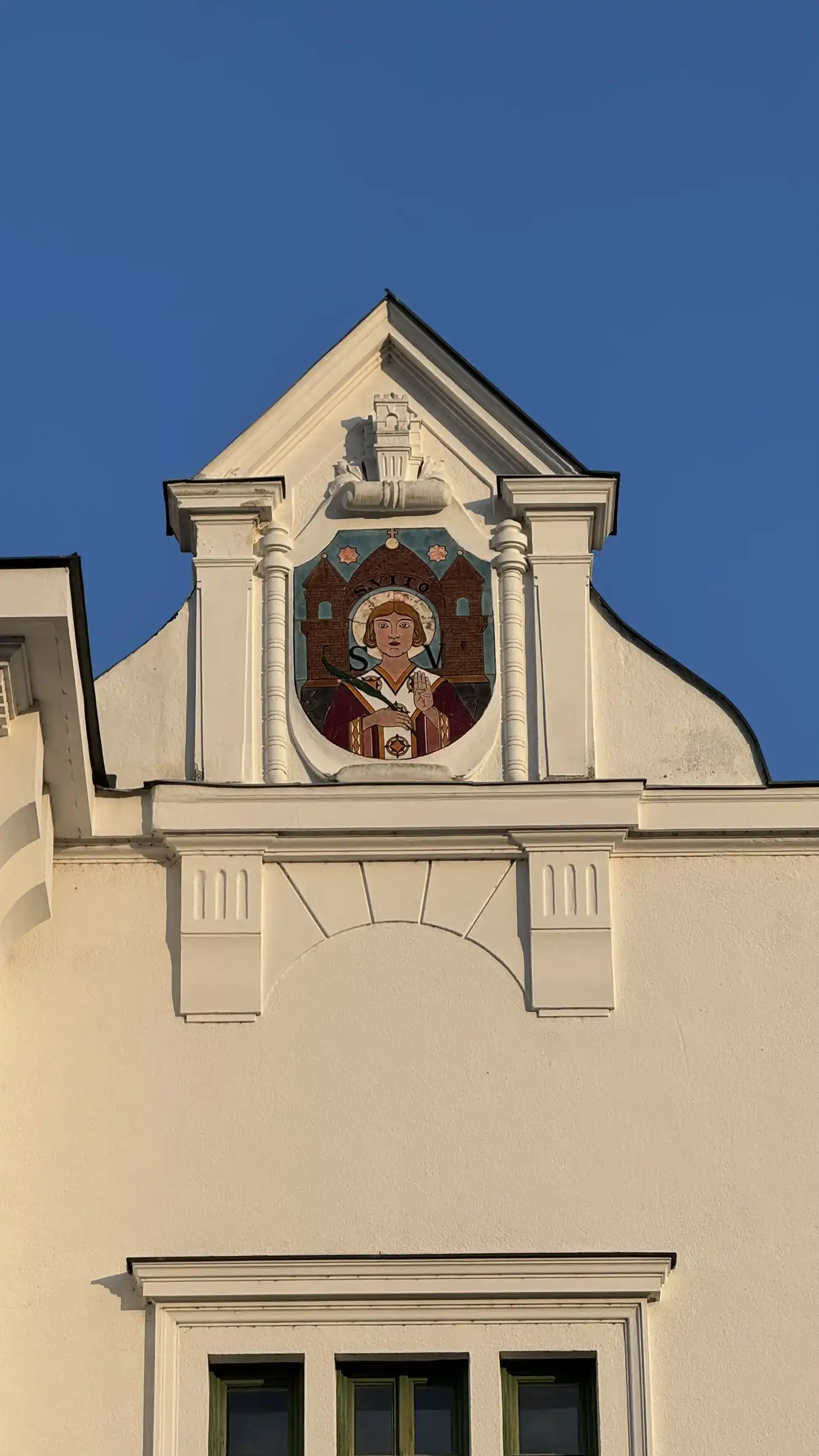
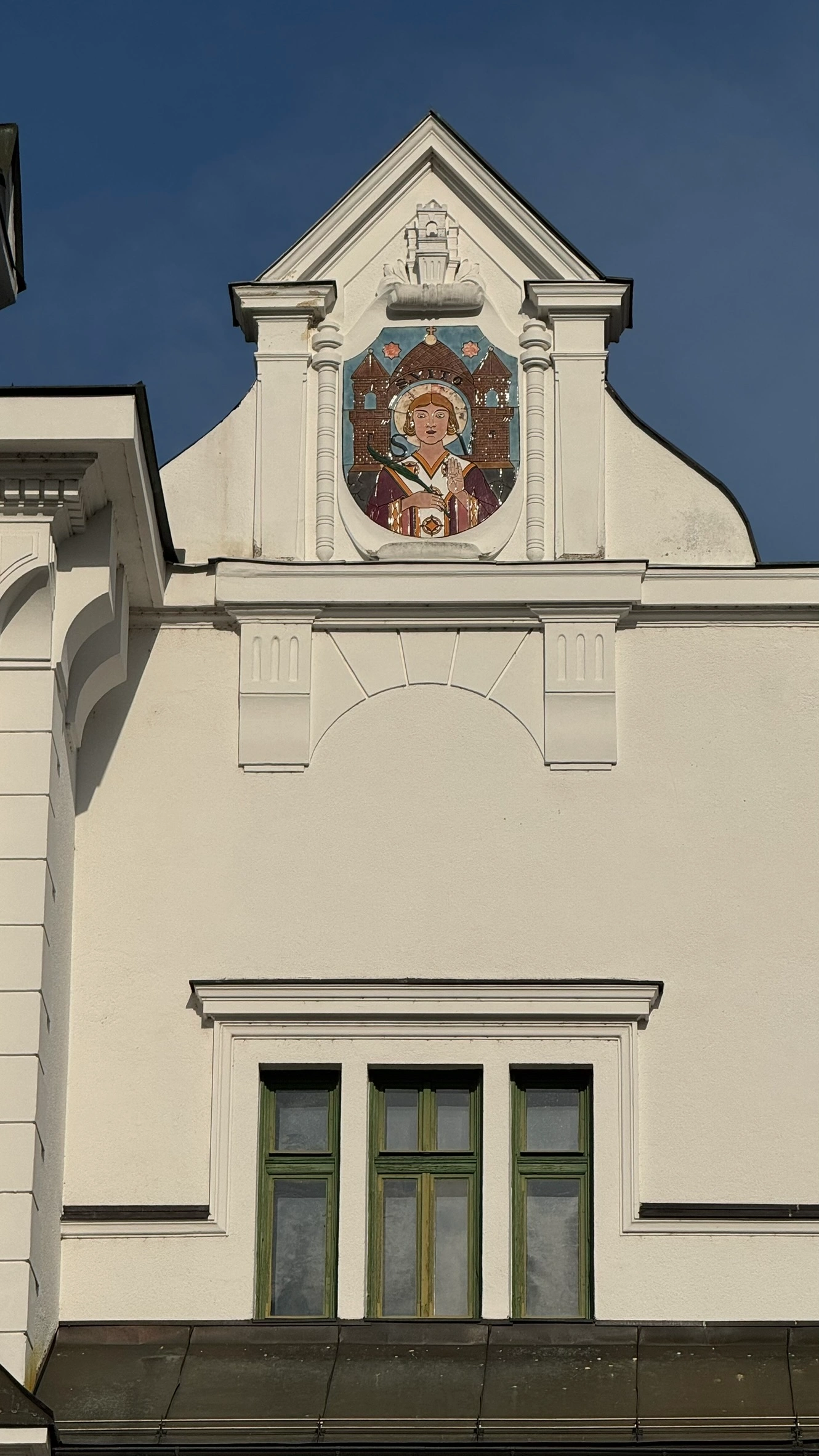
The impressive station building is characterised by a tall, distinctive clock tower with an octagonal lantern top, steep roofs, decorative gables and Jugendstil (Art Nouveau) features in the interior.
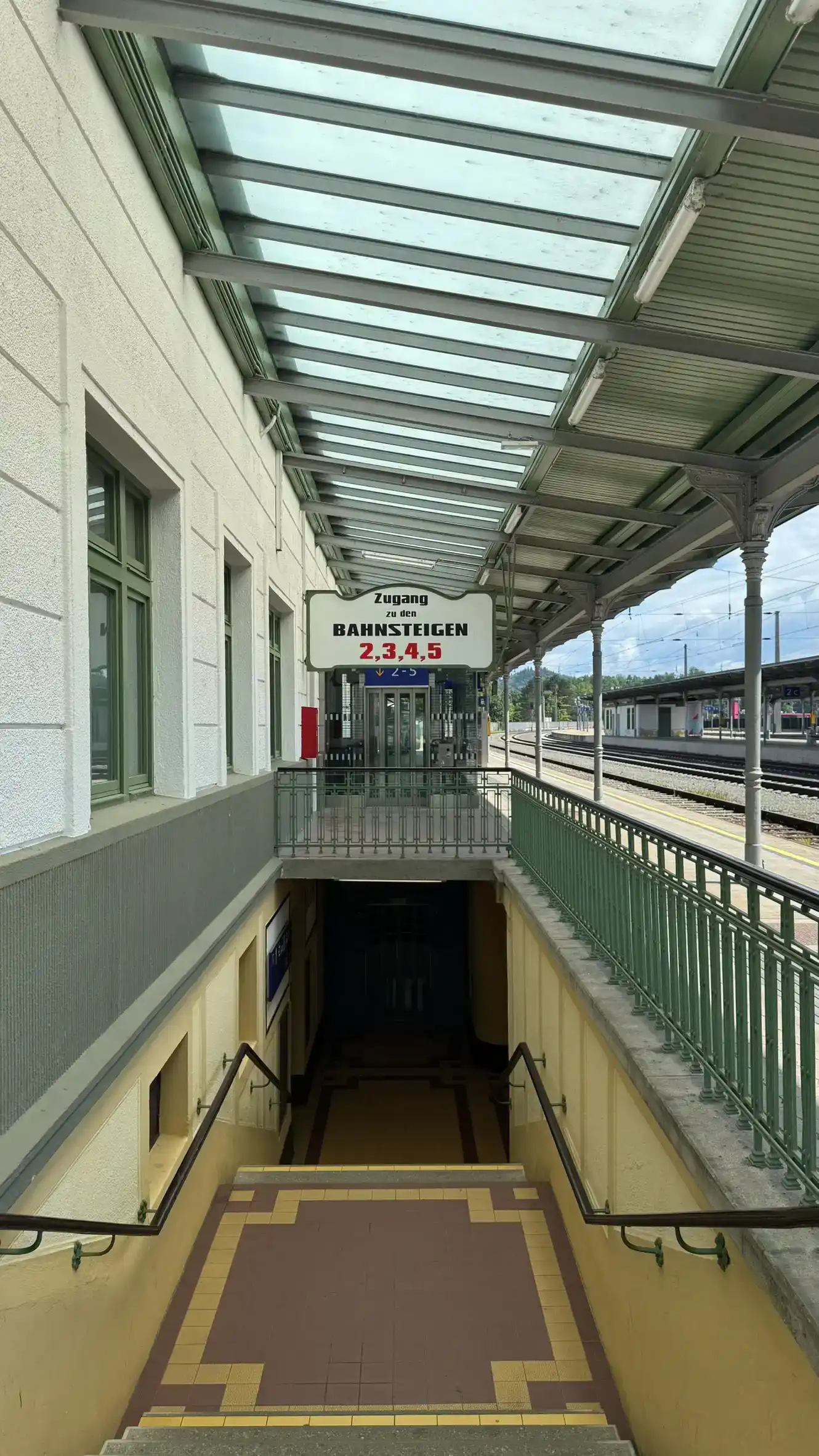
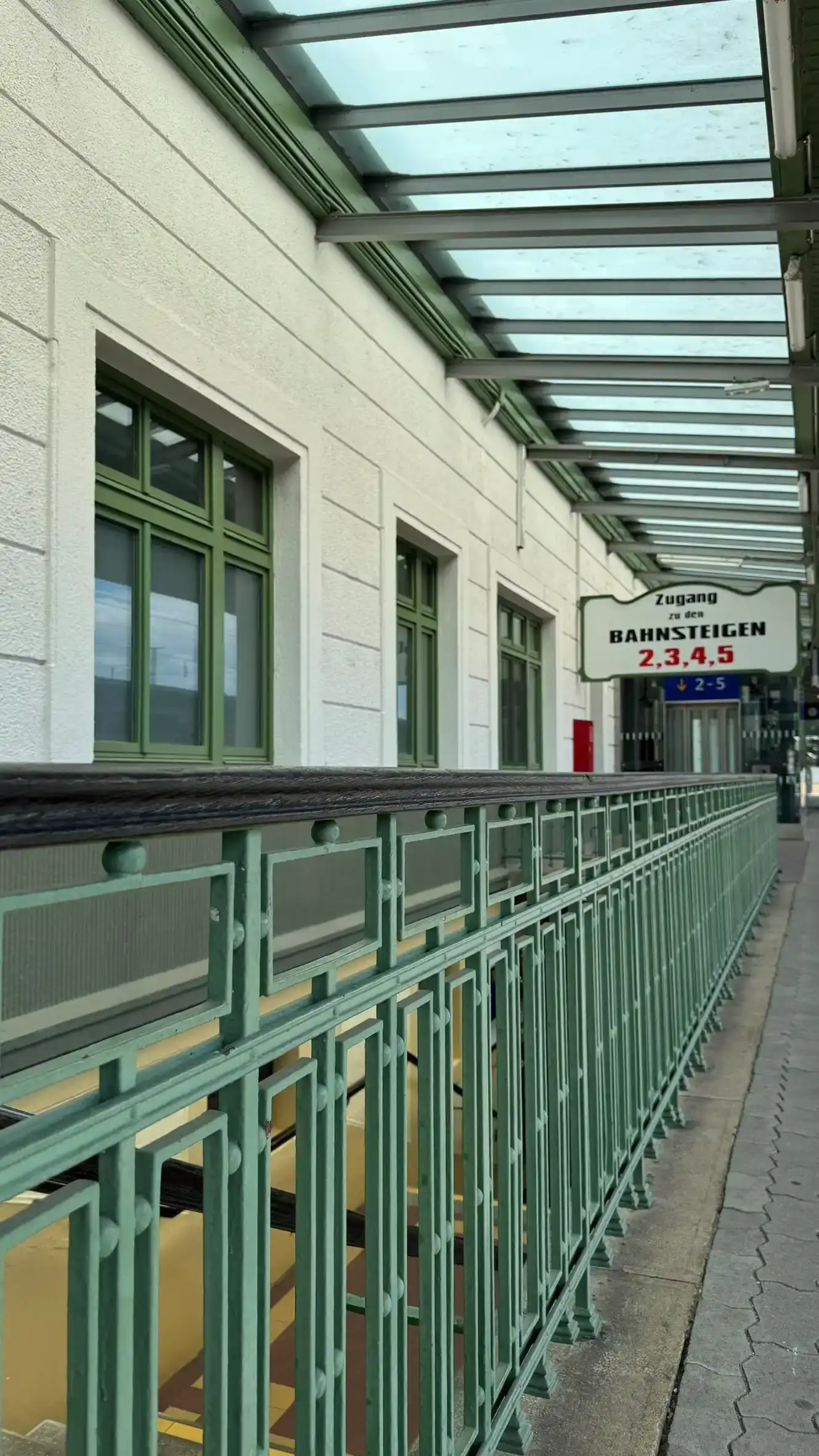
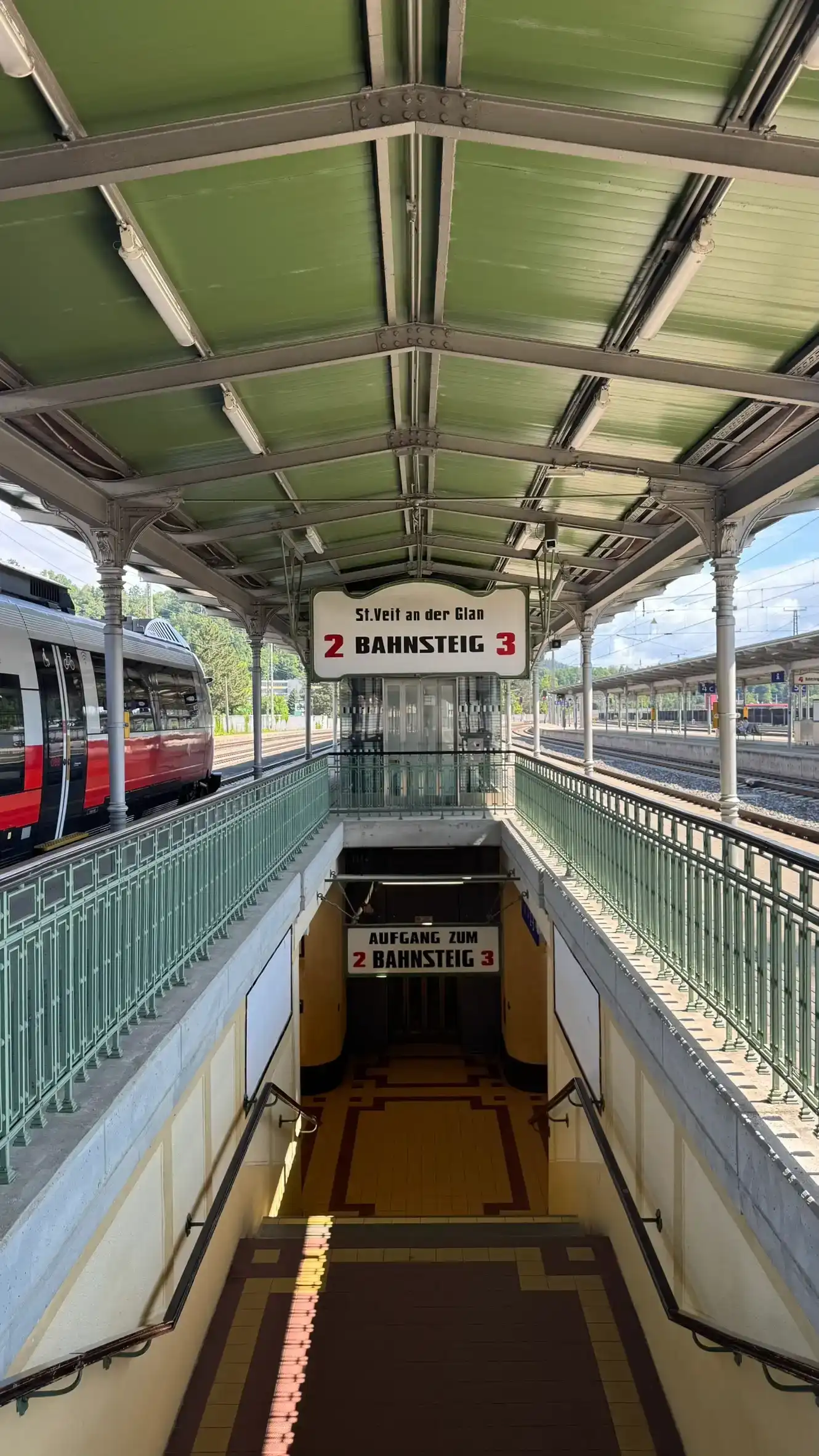
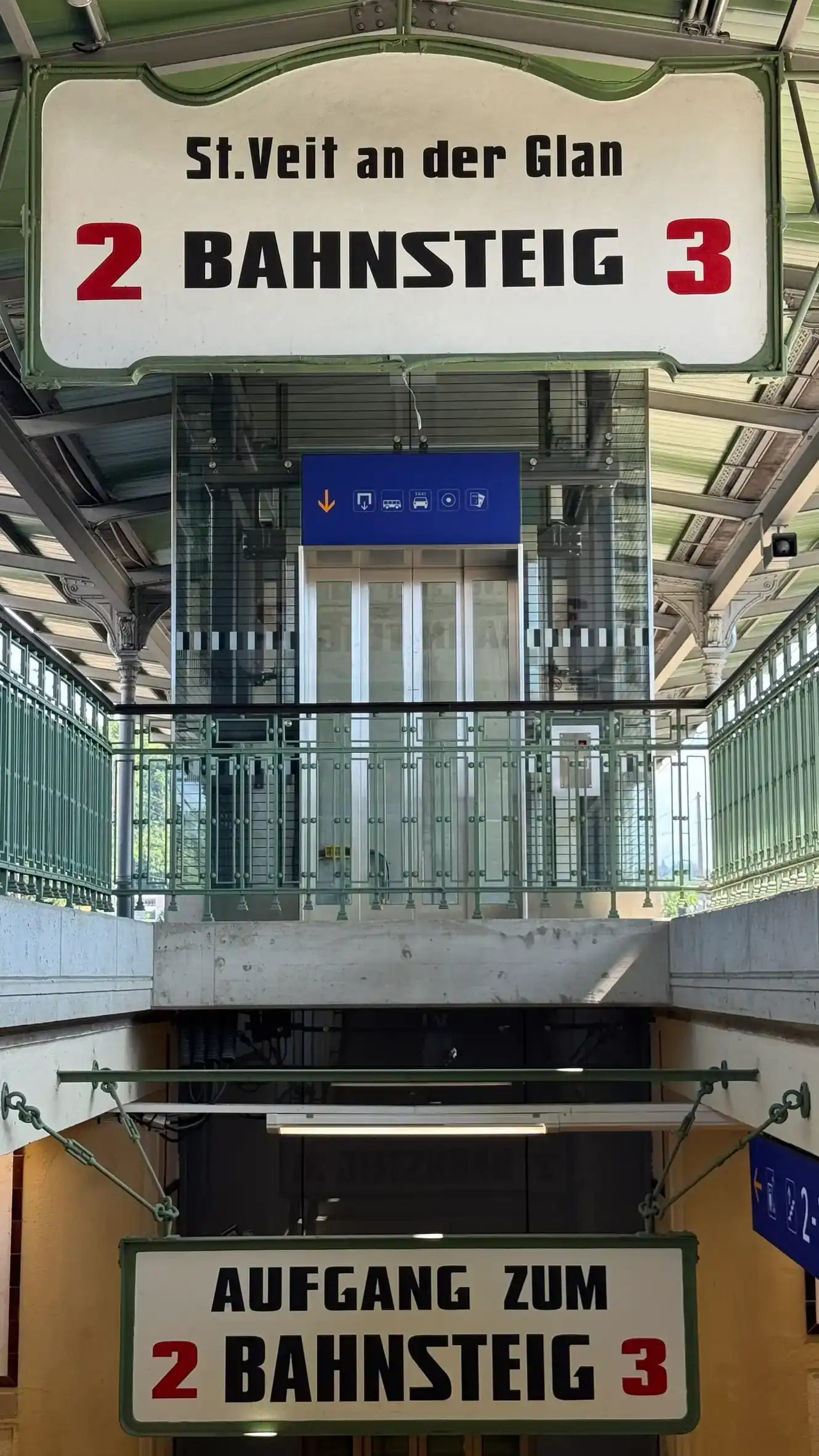
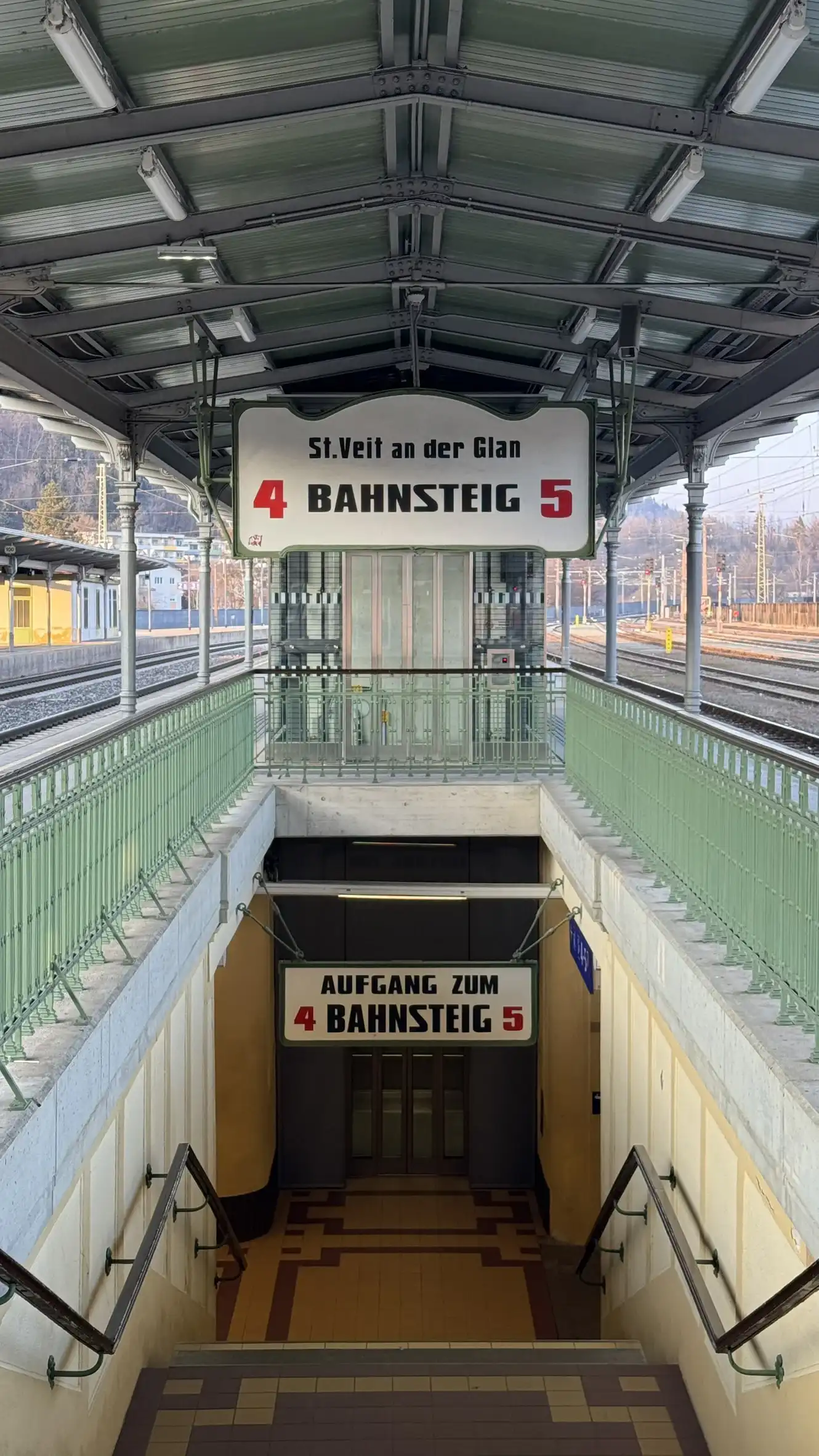
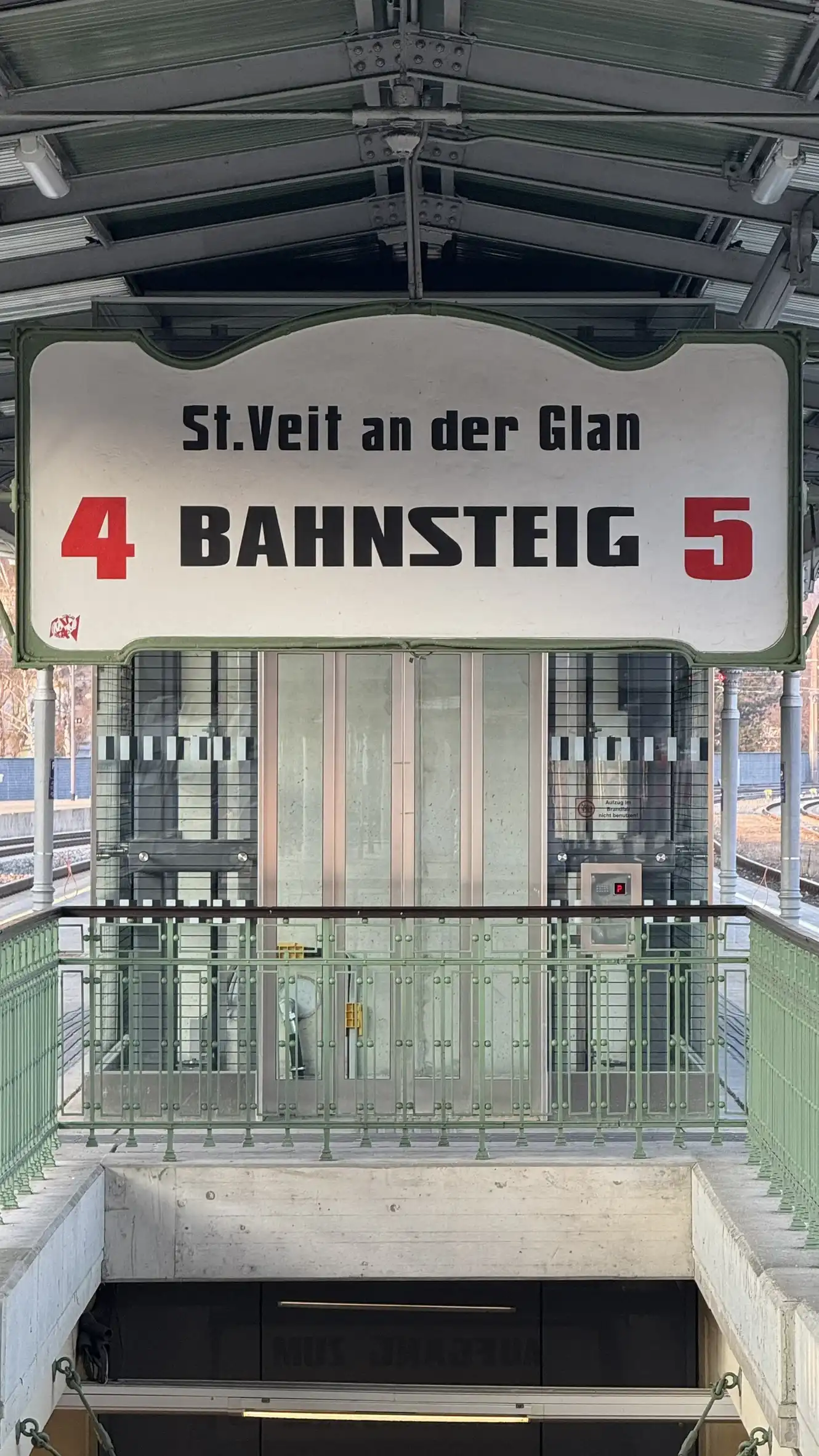
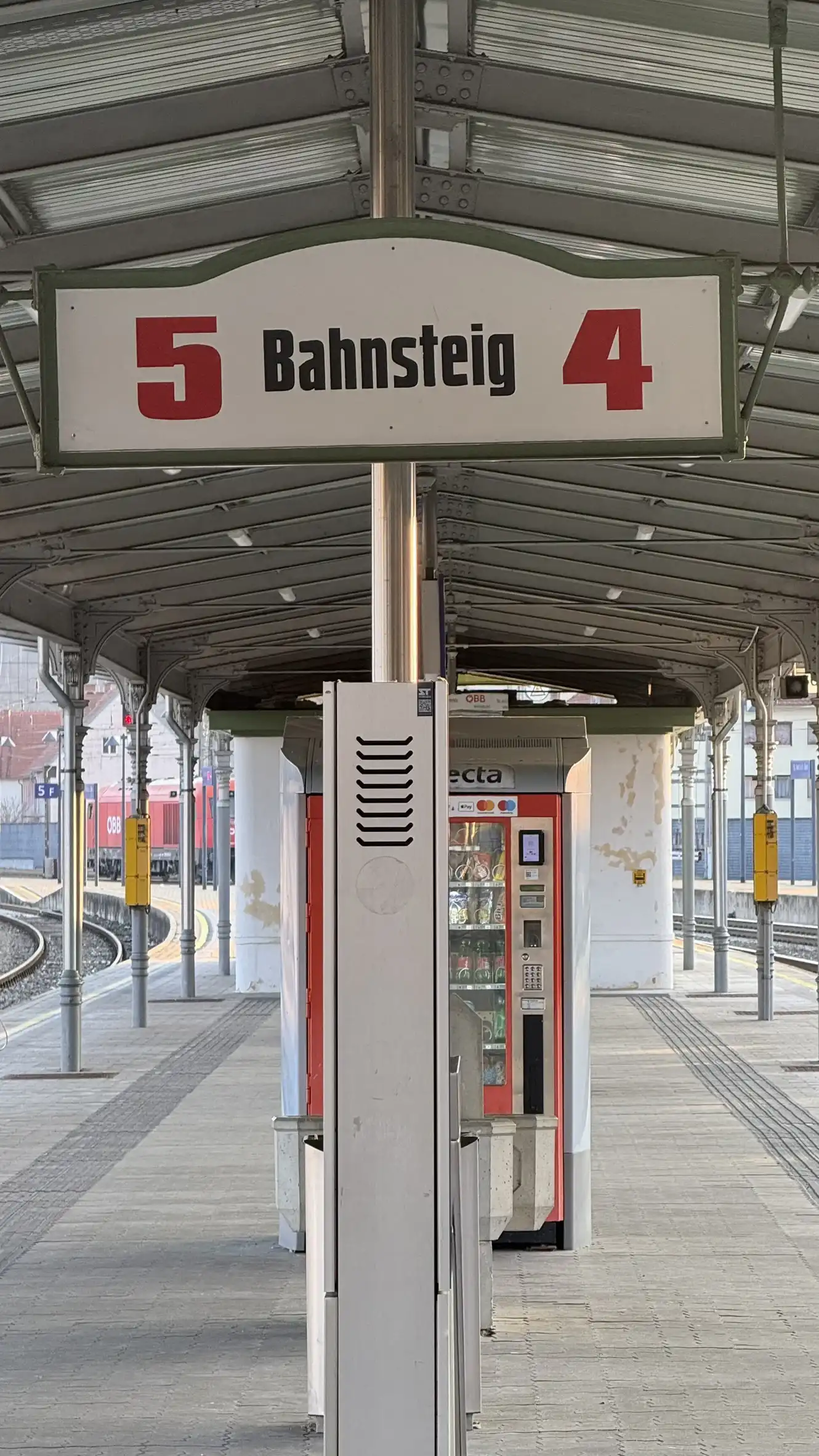
The platform canopies are made of intricate cast-iron structures, their colour scheme reminiscent of the Vienna Metropolitan Railway buildings.
Originally, the station served as an important transport hub, connecting St. Veit an der Glan to the national railway network and significantly facilitating the movement of both goods and passengers. At its peak, the station employed up to 450 people and played a key role in the town’s economic development.
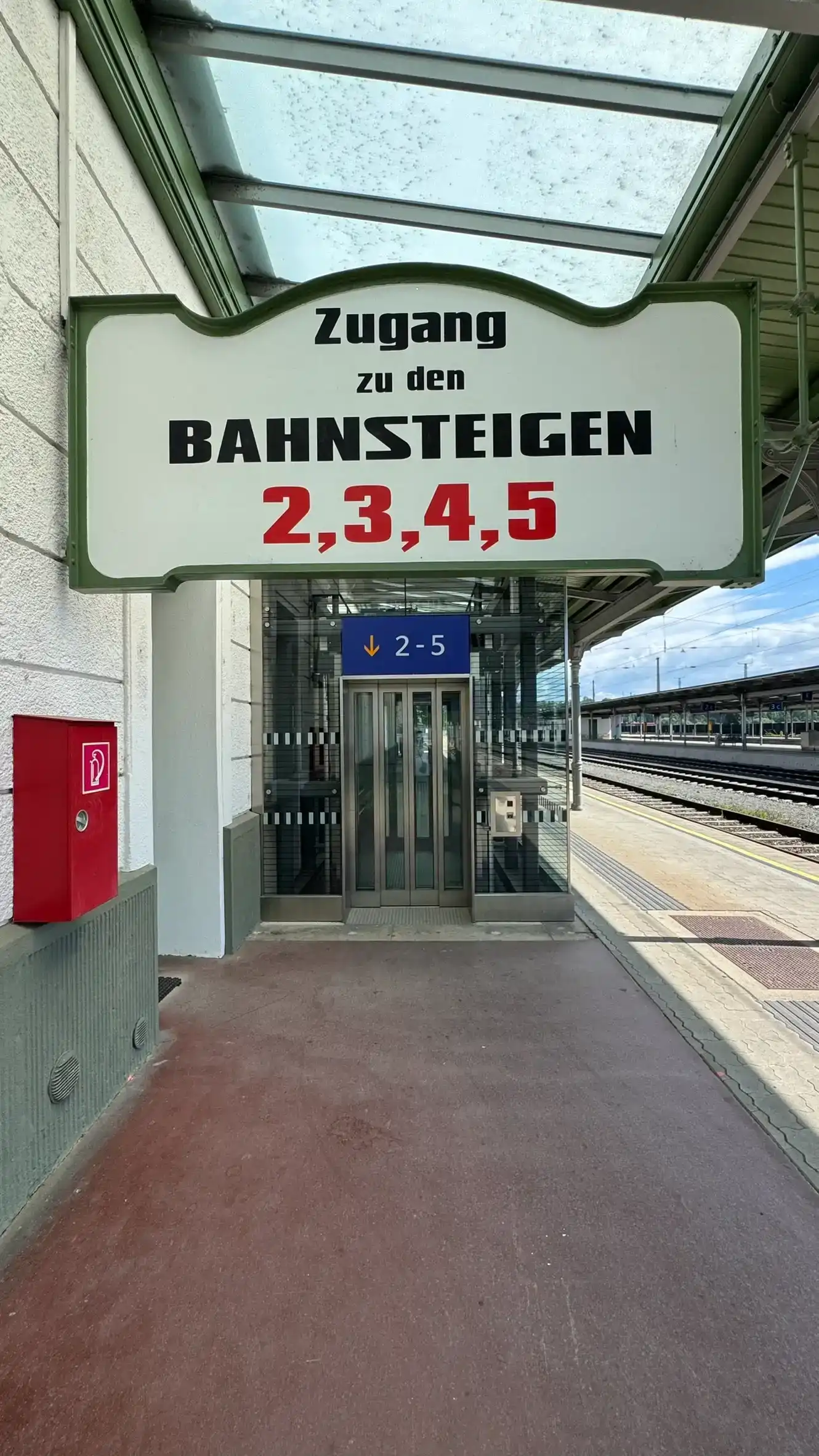
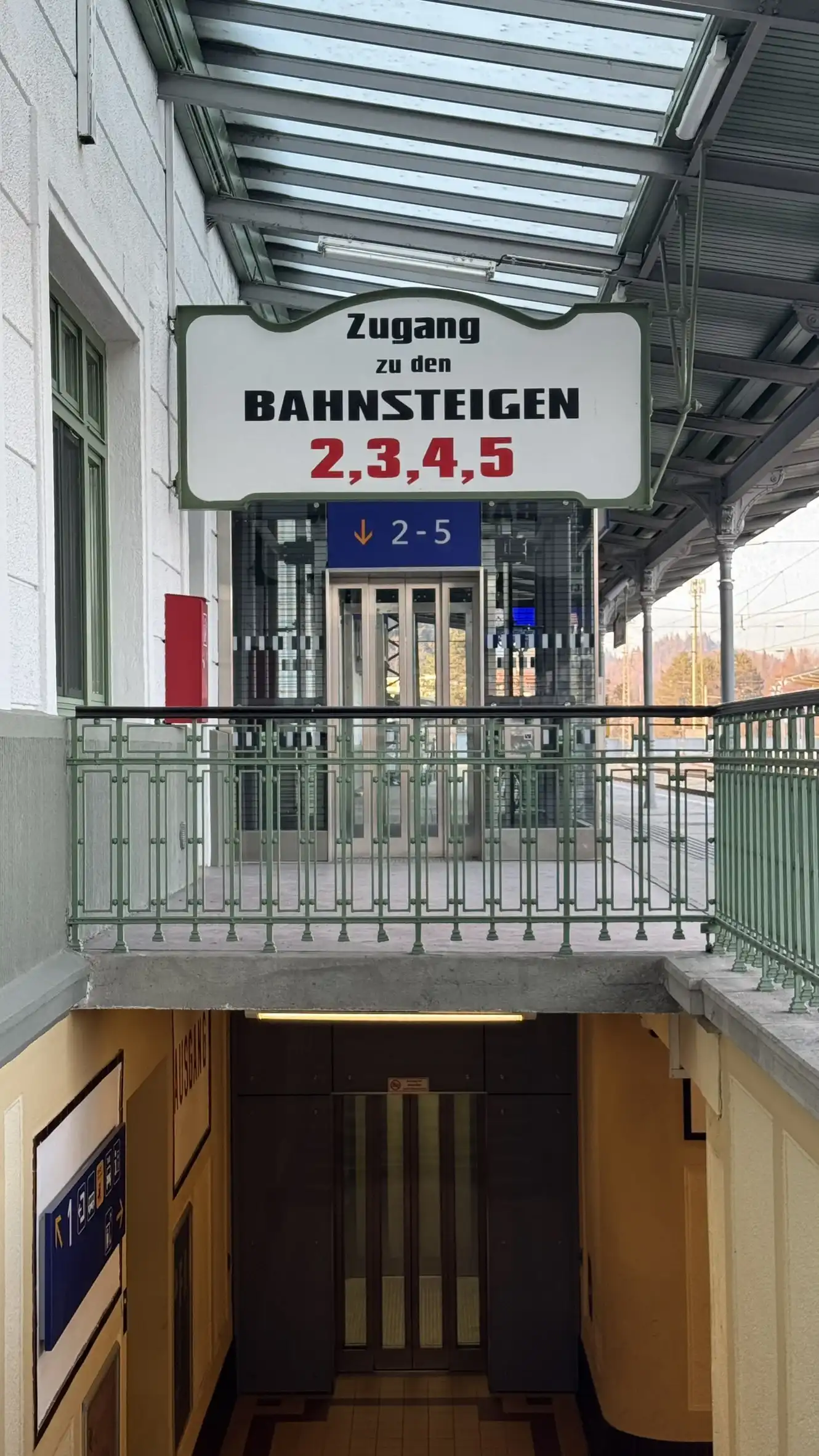
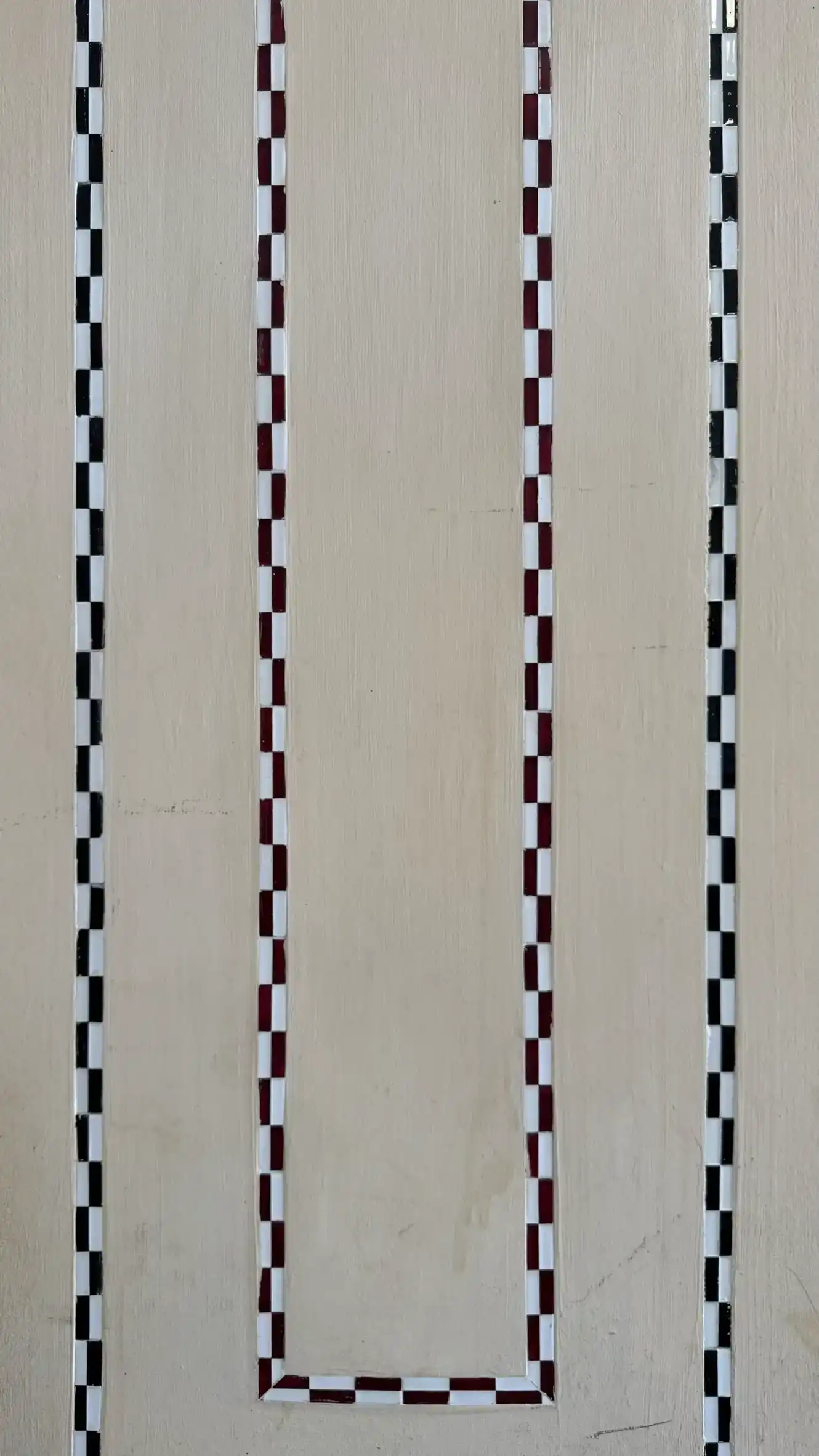
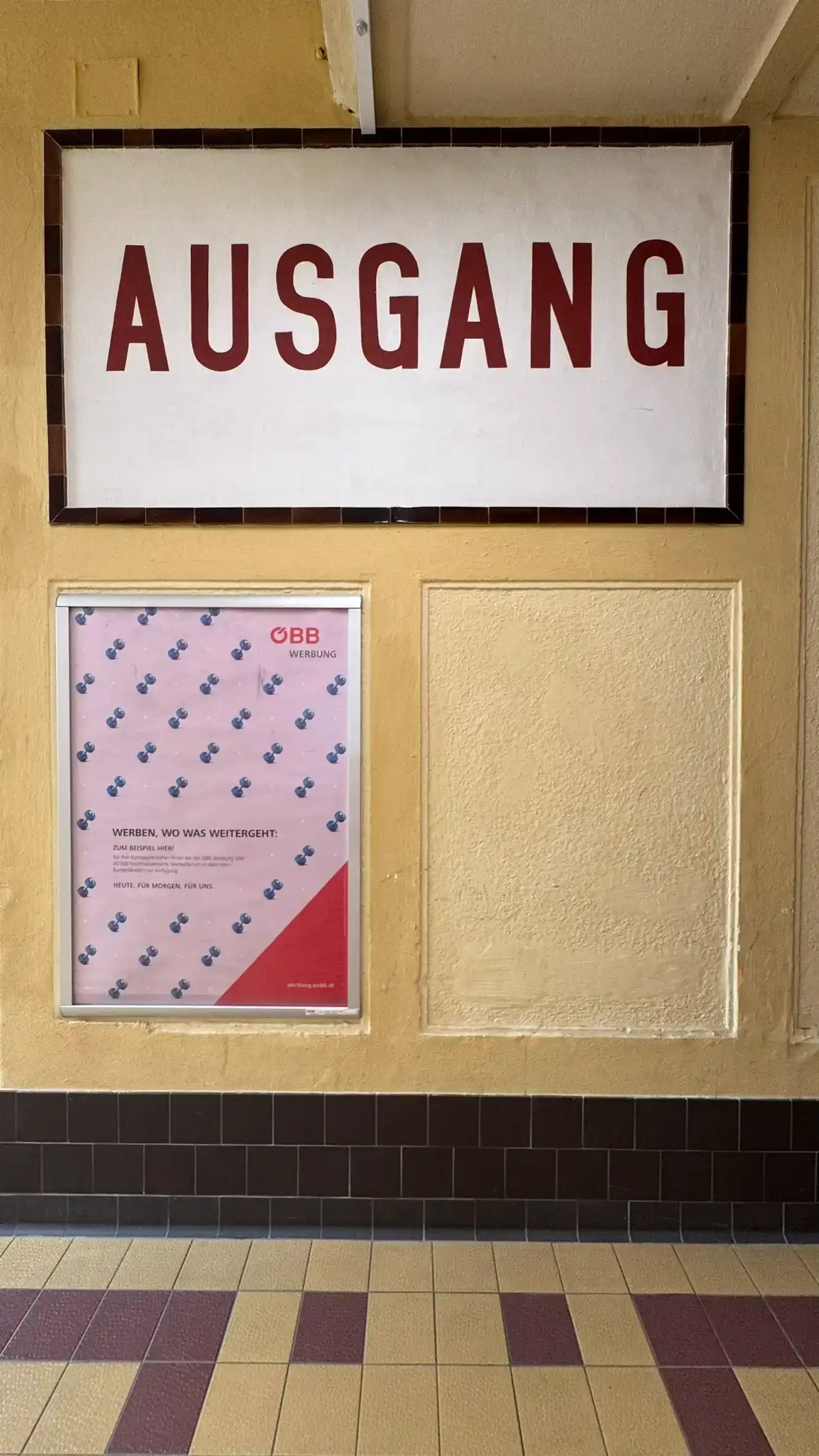
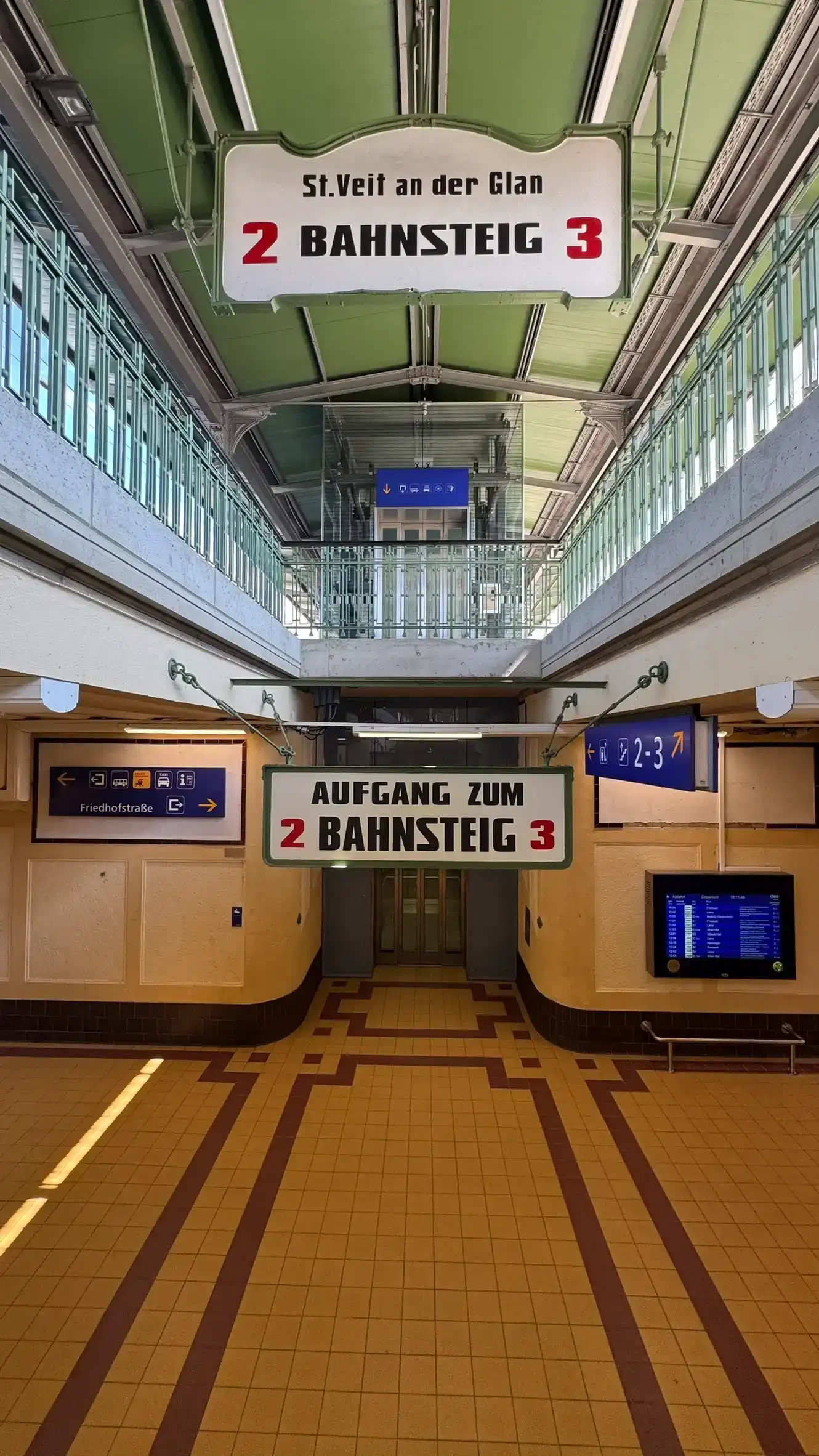
Between 2013 and 2015, the historical station was extensively restored in cooperation with the heritage authorities. Historical features such as the green-painted windows and doors, as well as the faithfully preserved pedestrian tunnel with its two-tone tiles, were retained. In addition, barrier-free lifts were installed to make access to the platforms considerably easier.
Today, the station has a side-platform and two island-platforms, all connected via an underpass. It is located to the northeast of the town centre, with bus stops situated directly in front of the station.
The building is now a listed monument and is regarded as one of the finest examples of Heimatstil in Austrian railway architecture.
It offers both regional and long-distance train services, including direct connections to Vienna and Villach, and continues to serve as a key transport hub for locals and travellers alike.