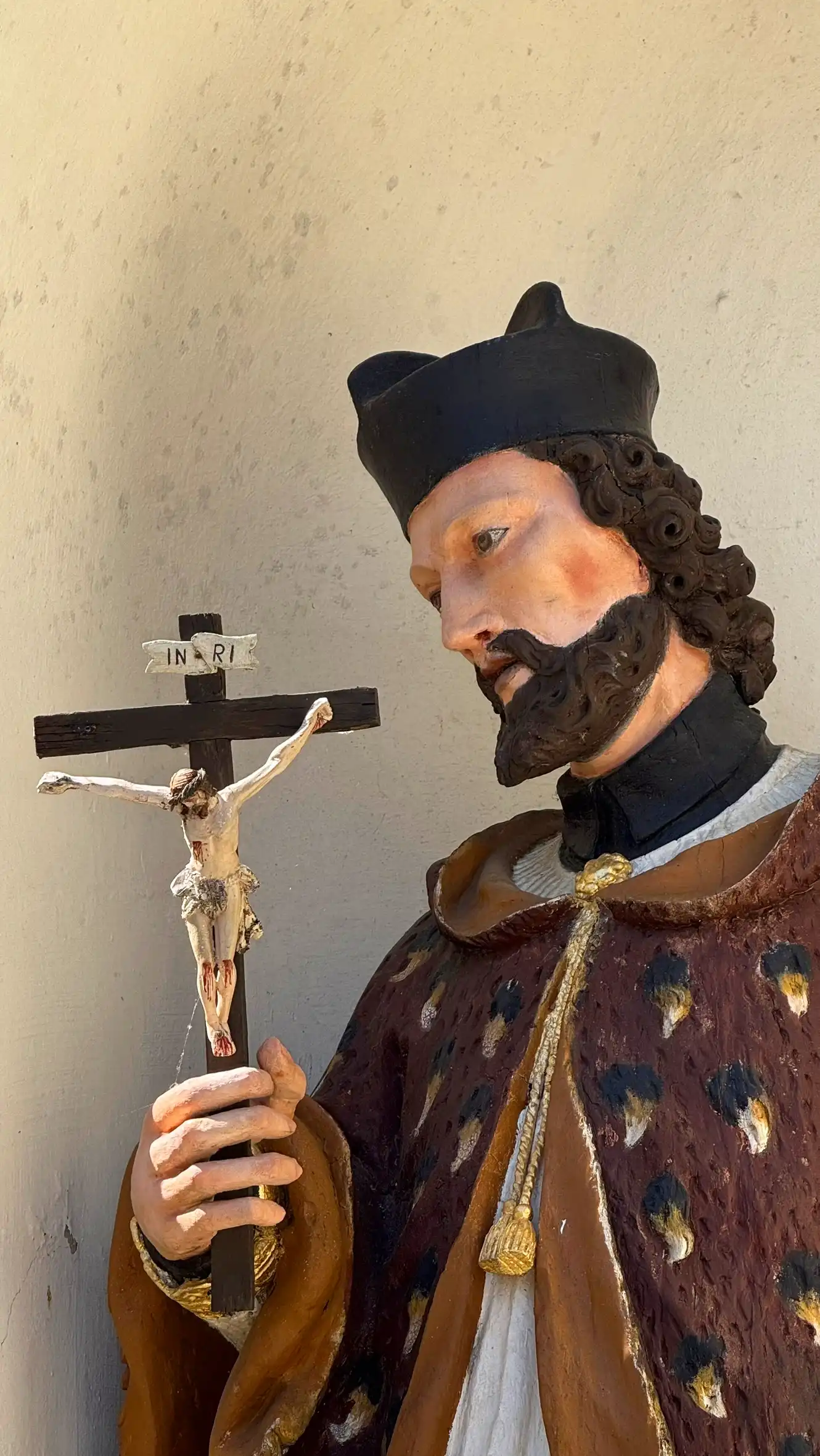
Saint Nepomuk | Niche Shrine
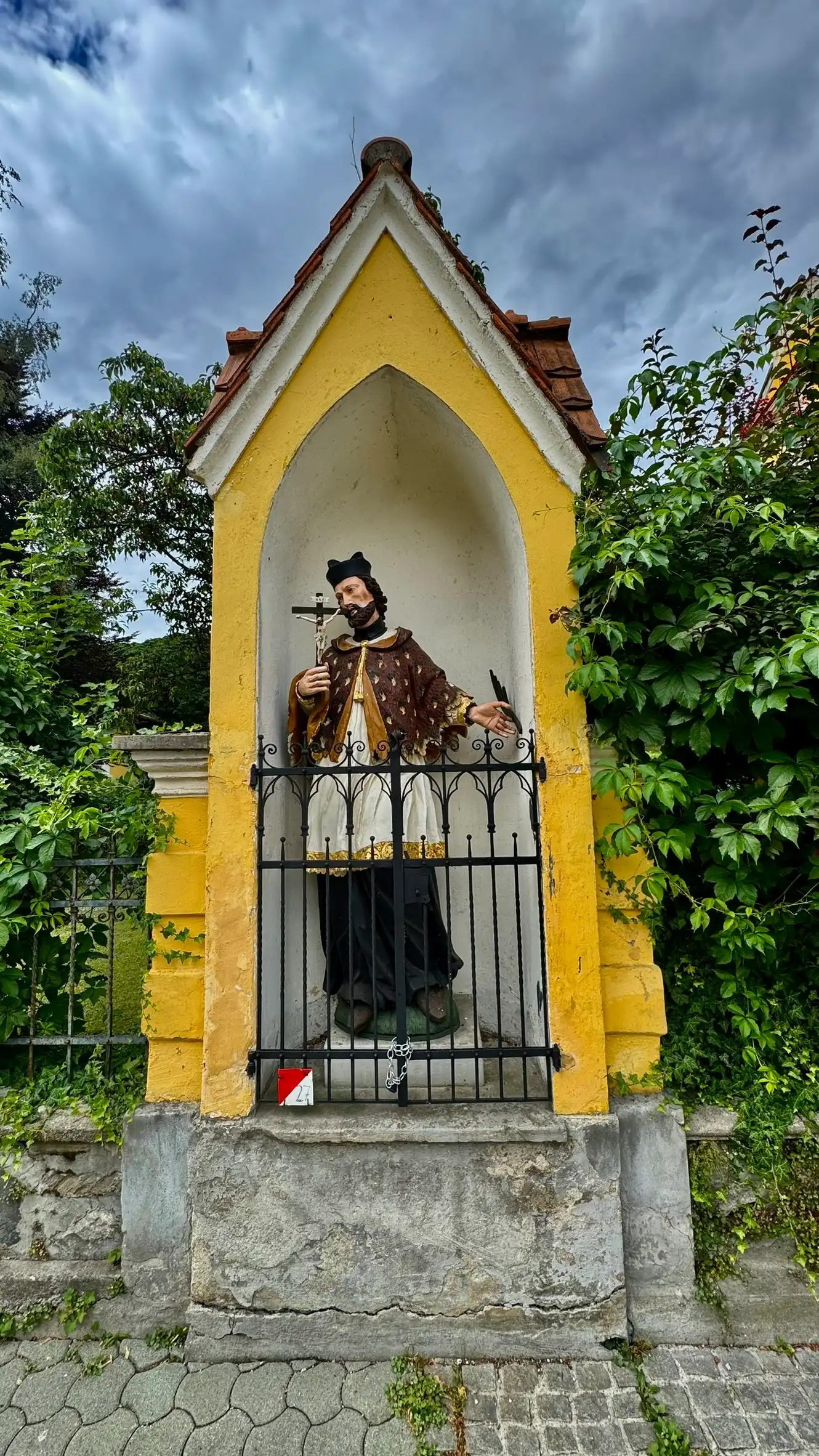
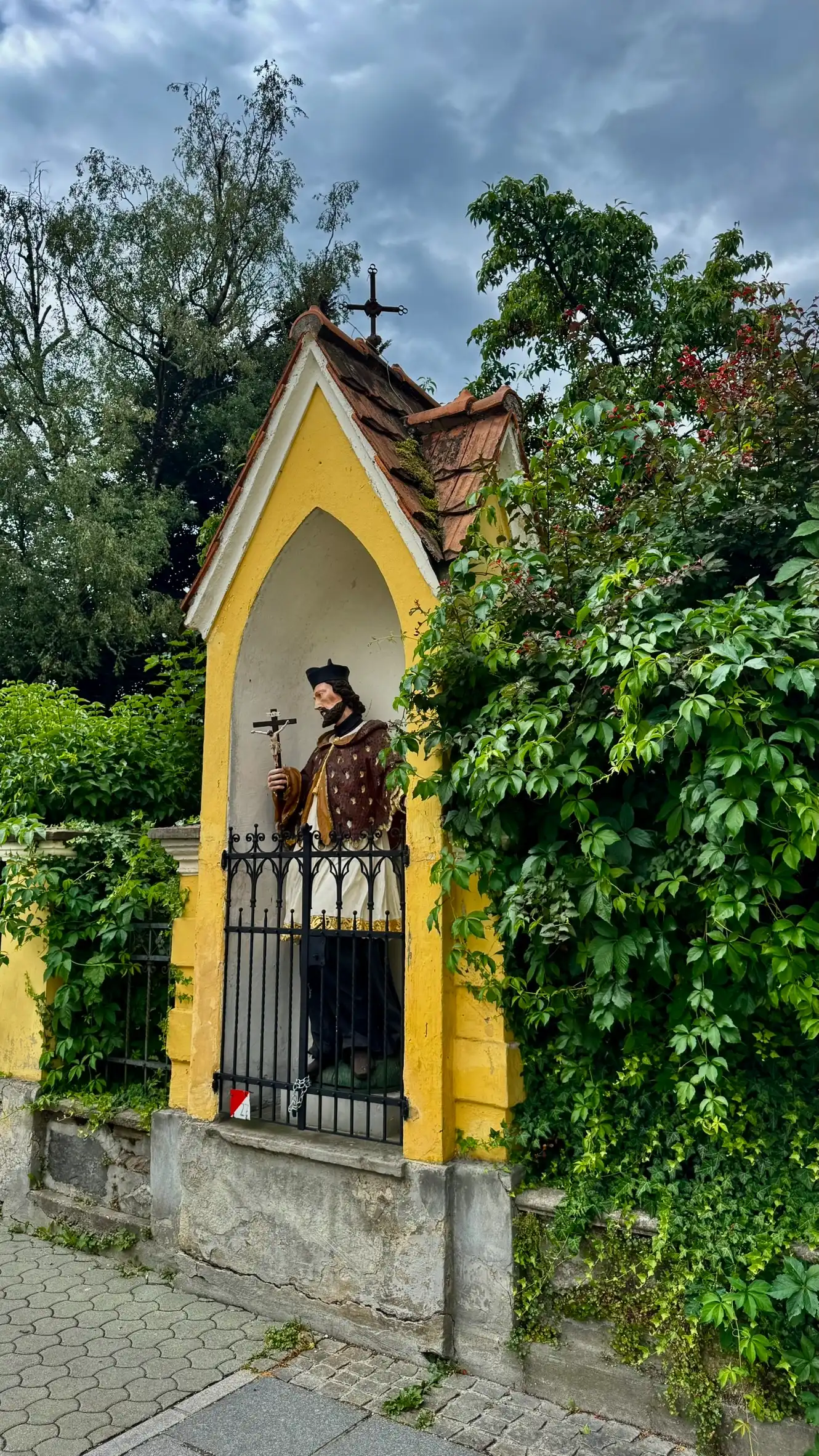
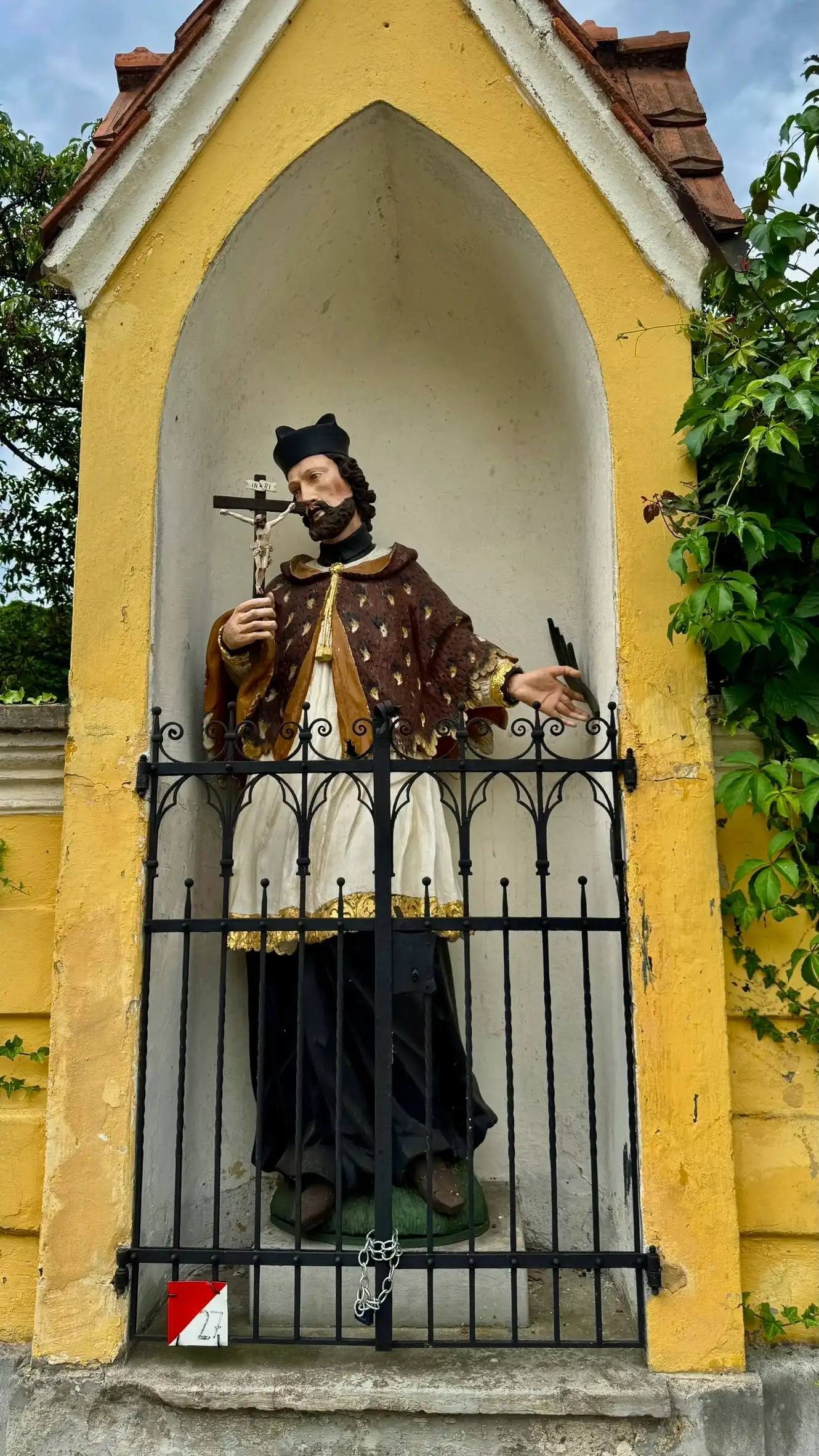
The Baroque statue of Saint John of Nepomuk located at Schillerplatz is designed as a niche shrine and was erected in 1894.
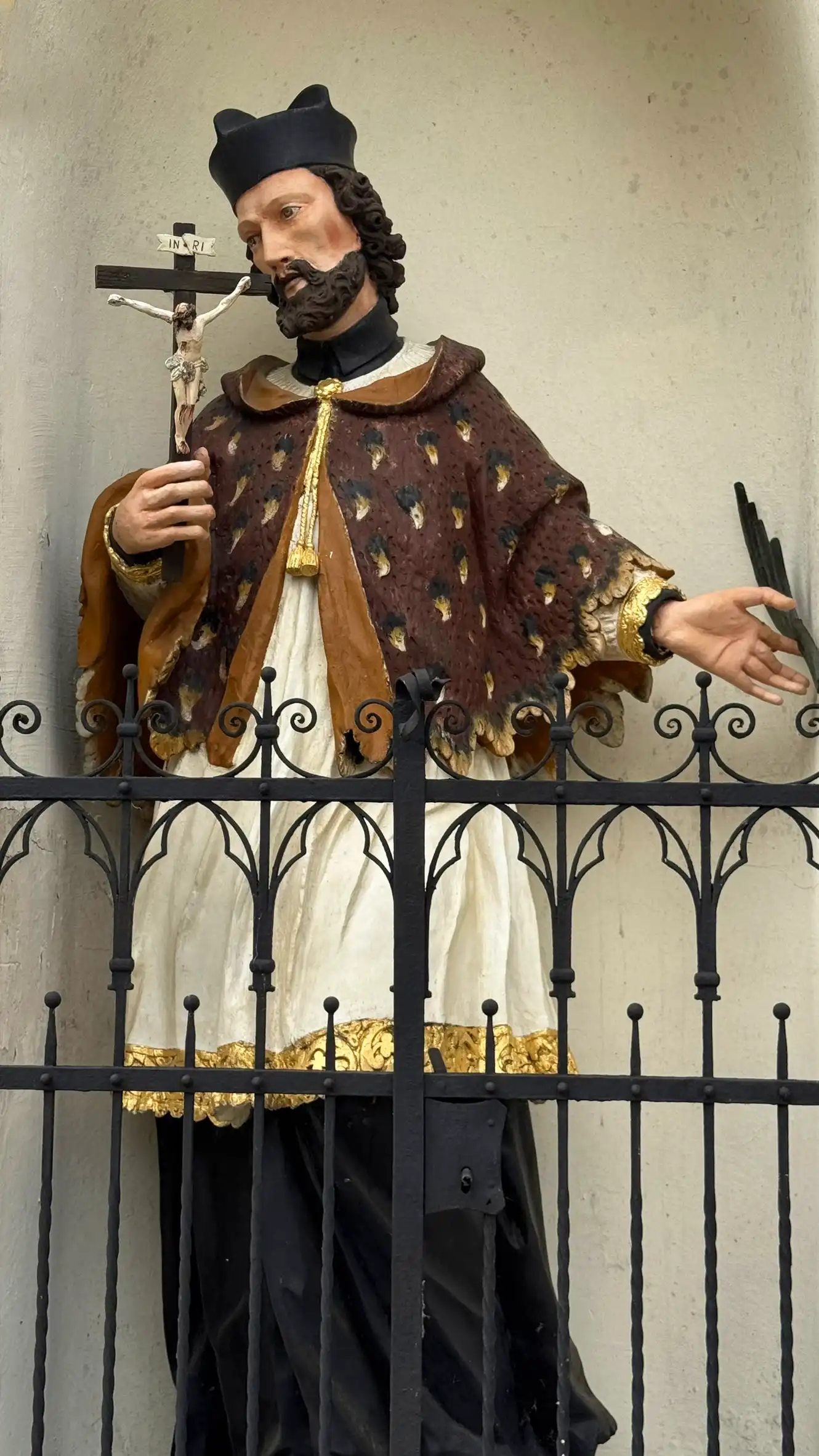
Inside the niche stands a life-sized figure of the saint, created in 1730 by the sculptor Georg Hittinger.
Location: The niche shrine is now at Schillerplatz opposite the primary school. Originally, this statue was positioned on a bridge pier near the Friesach Gate.
Artist & Creation Details
The life-sized statue inside was created by Johann Georg Hittinger in 1730.
The niche shrine itself was later erected in 1894 to protect and prominently display the older statue.
Restoration & Care
In June 2022, the Nepomuk statue underwent comprehensive restoration. The work was carried out by Werner Campidell on behalf of the local beautification association, under the direction of Dr. Ulrich Suppan.
A ceremonial blessing of the restored statue took place at Schillerplatz on 1 July 2022.
Summary Table
Statue | 1730, Johann Georg Hittinger |
Niche shrine | Erected 1894 |
Restoration | 2022 by Werner Campidell |
Former location | Bridge pier at Friesacher Tor |
Current location | Schillerplatz, opposite elementary school |
Who was Saint Nepomuk?
Saint John of Nepomuk was a Bohemian priest and martyr who lived in the 14th century. He was born around the year 1345 in the town of Pomuk (now called Nepomuk) in what is today the Czech Republic. He later served as vicar general of the Archdiocese of Prague.
According to a well-known tradition, he was arrested in 1393 on the orders of King Wenceslas IV of Bohemia, tortured, and ultimately thrown from the Charles Bridge in Prague into the River Vltava, where he drowned. Legend holds that he was martyred because he refused to break the seal of confession and reveal the queen’s secrets. Historically, however, his death may have been the result of political tensions between the king and the Church.
John of Nepomuk was canonised in 1729 by Pope Benedict XIII. He is venerated as the patron saint of the seal of confession and is also invoked against slander, floods, and drowning. Statues of the saint are commonly found throughout Central Europe – particularly in Austria, the Czech Republic, and southern Germany – often placed on bridges or near rivers.
He is typically depicted holding a cross, with a halo of five stars, and a finger raised to his lips.