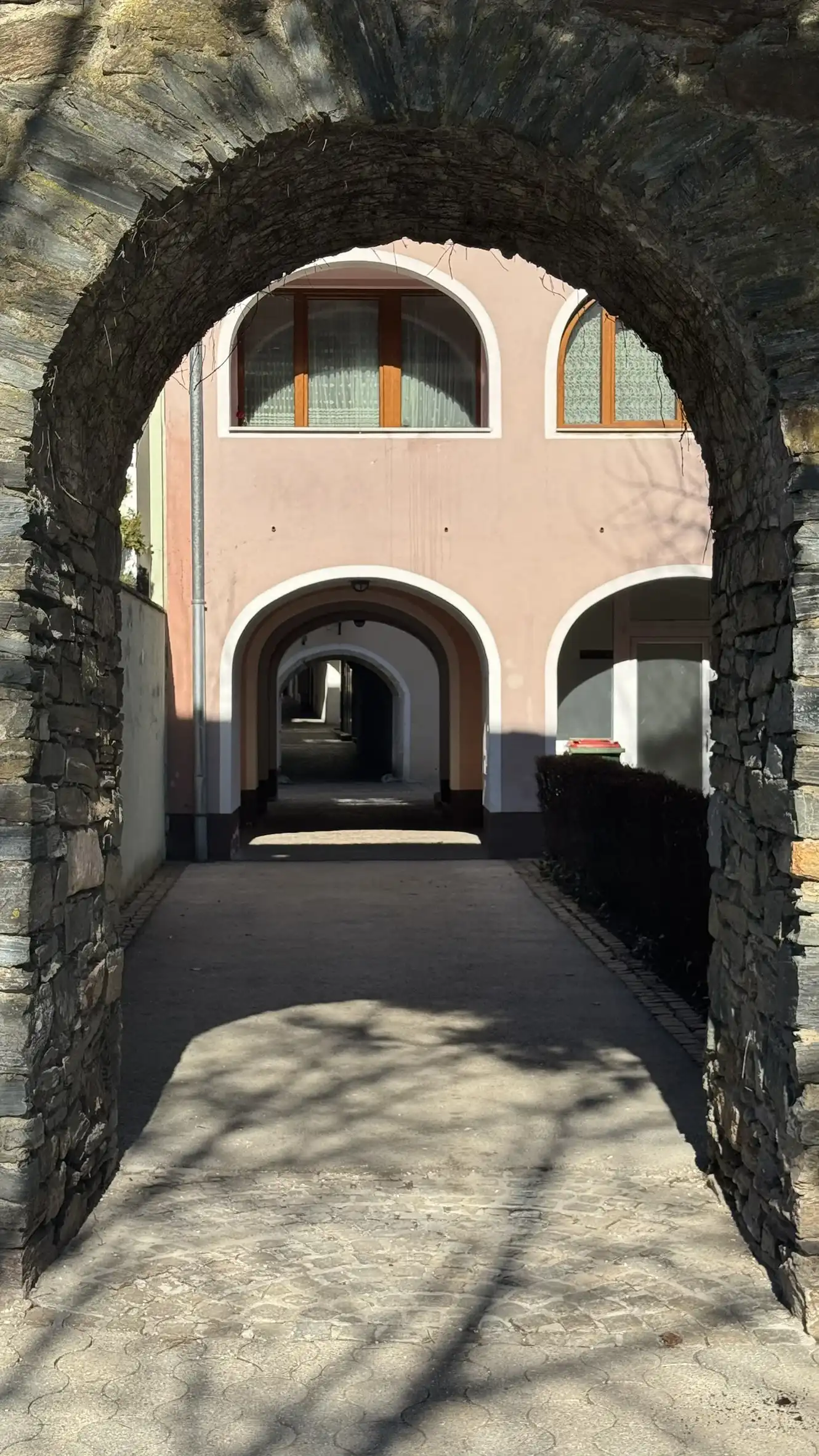
The Herzog-Bernhard-Tor (Duke Bernhard’s Gate), an arched gate in the south-eastern section of the historical town wall, was created in the 20th century during a period of urban expansion.
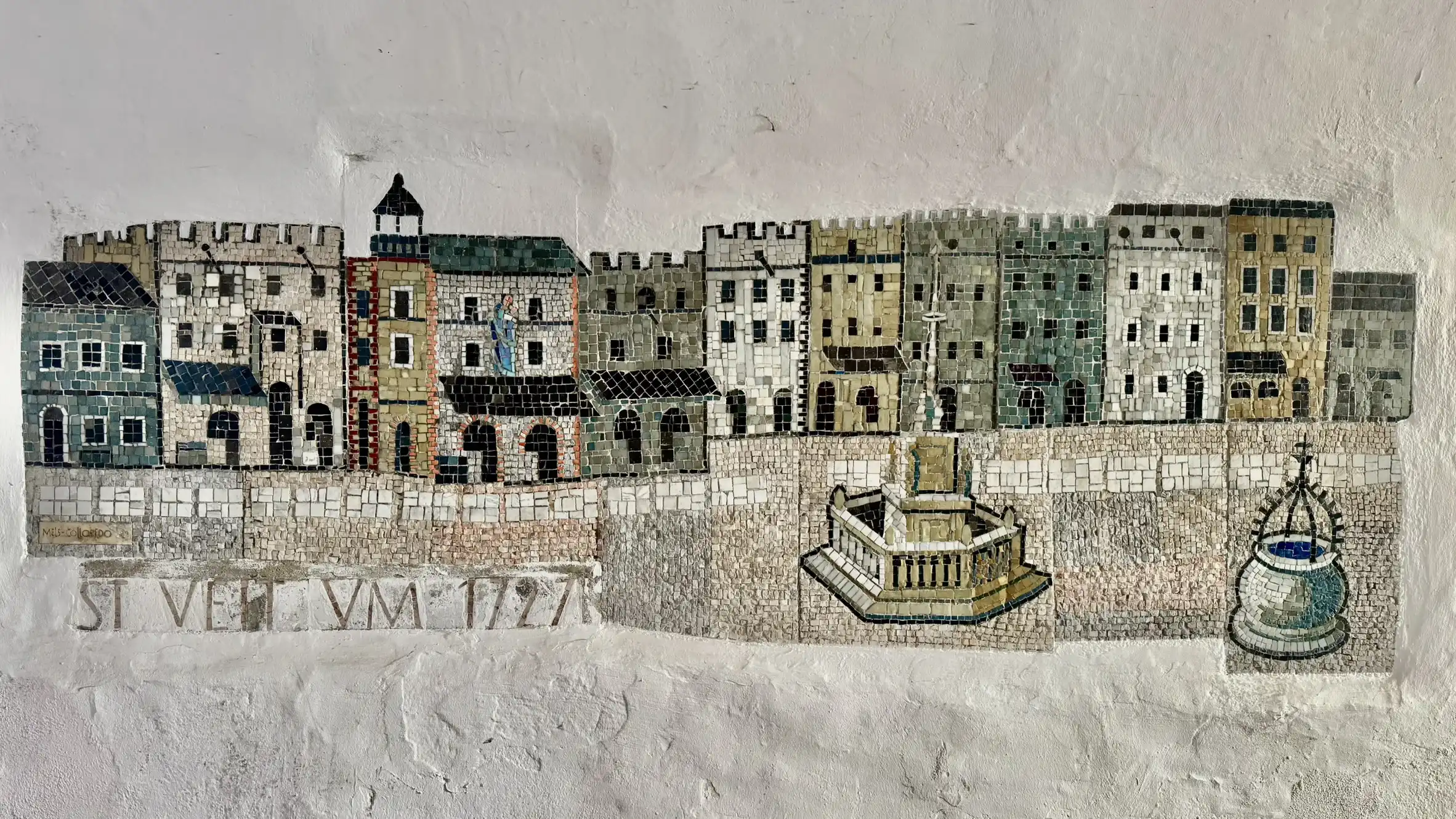
This arched gate opens onto Sudetengasse, a charming street that leads directly to the main square (Hauptplatz). Along Sudetengasse, visitors can admire a town mosaic – a remarkable artwork depicting the town as it appeared in the mid-18th century.
Passing through the Herzog-Bernhard-Tor, strolling along Sudetengasse and appreciating the mosaic, one arrives at the Hauptplatz, where the graceful Walther-von-der-Vogelweide Fountain awaits discovery.
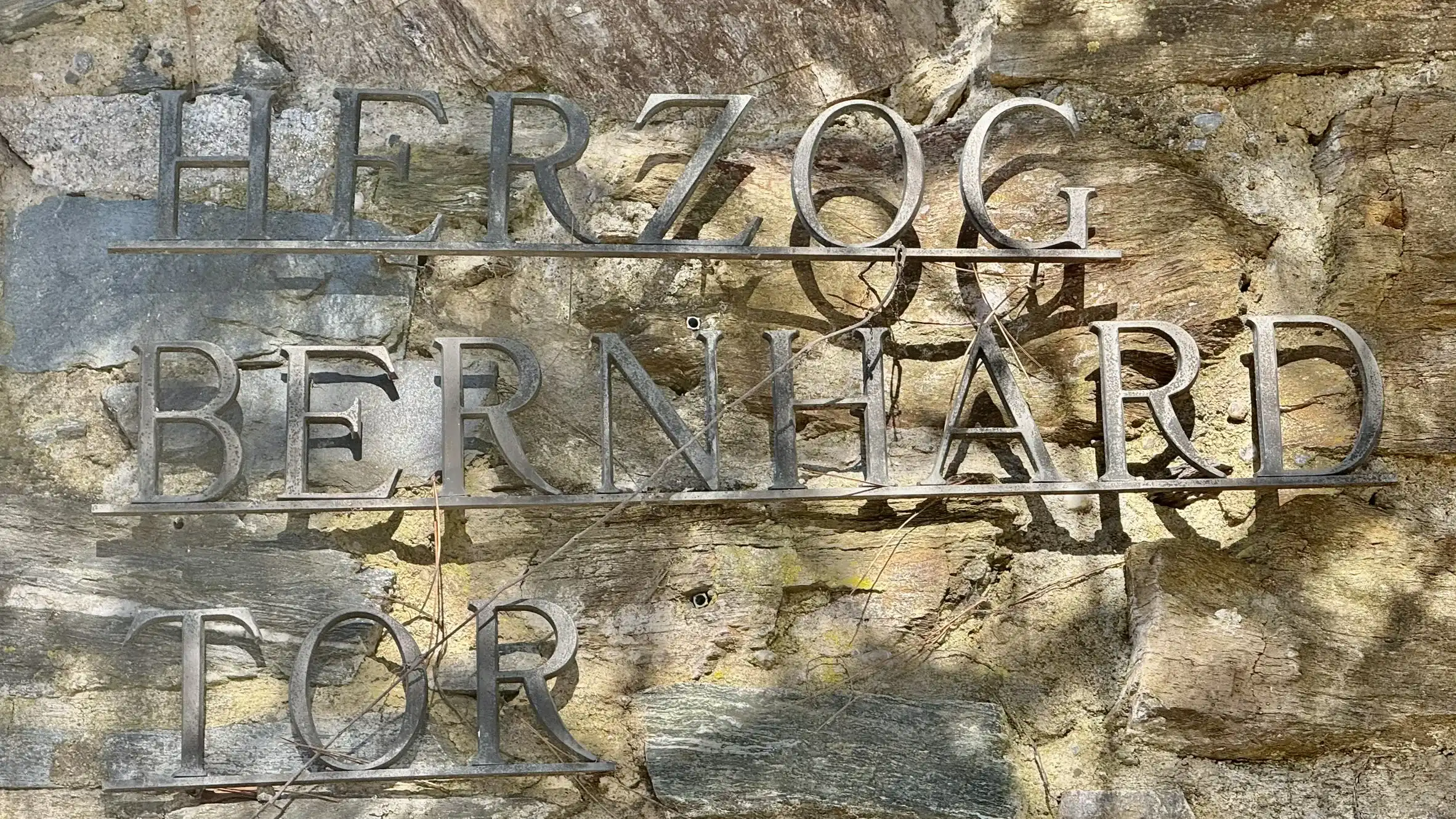
Signage - Herzog-Bernhard-Tor
Herzog-Bernhard-Tor is an arched gate in the south-east section of the town wall.
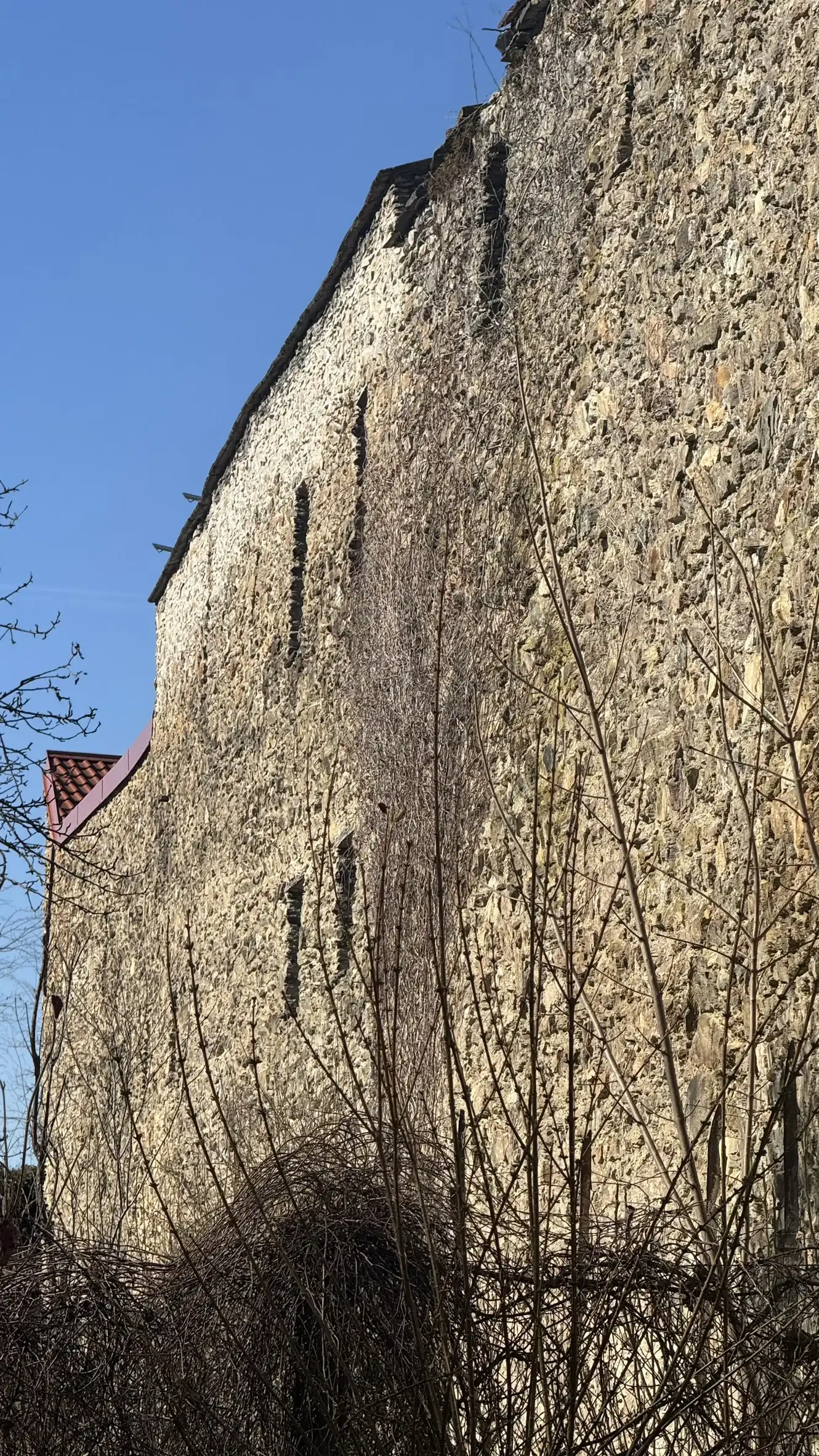
The south-east section of the wall next to the arched gate
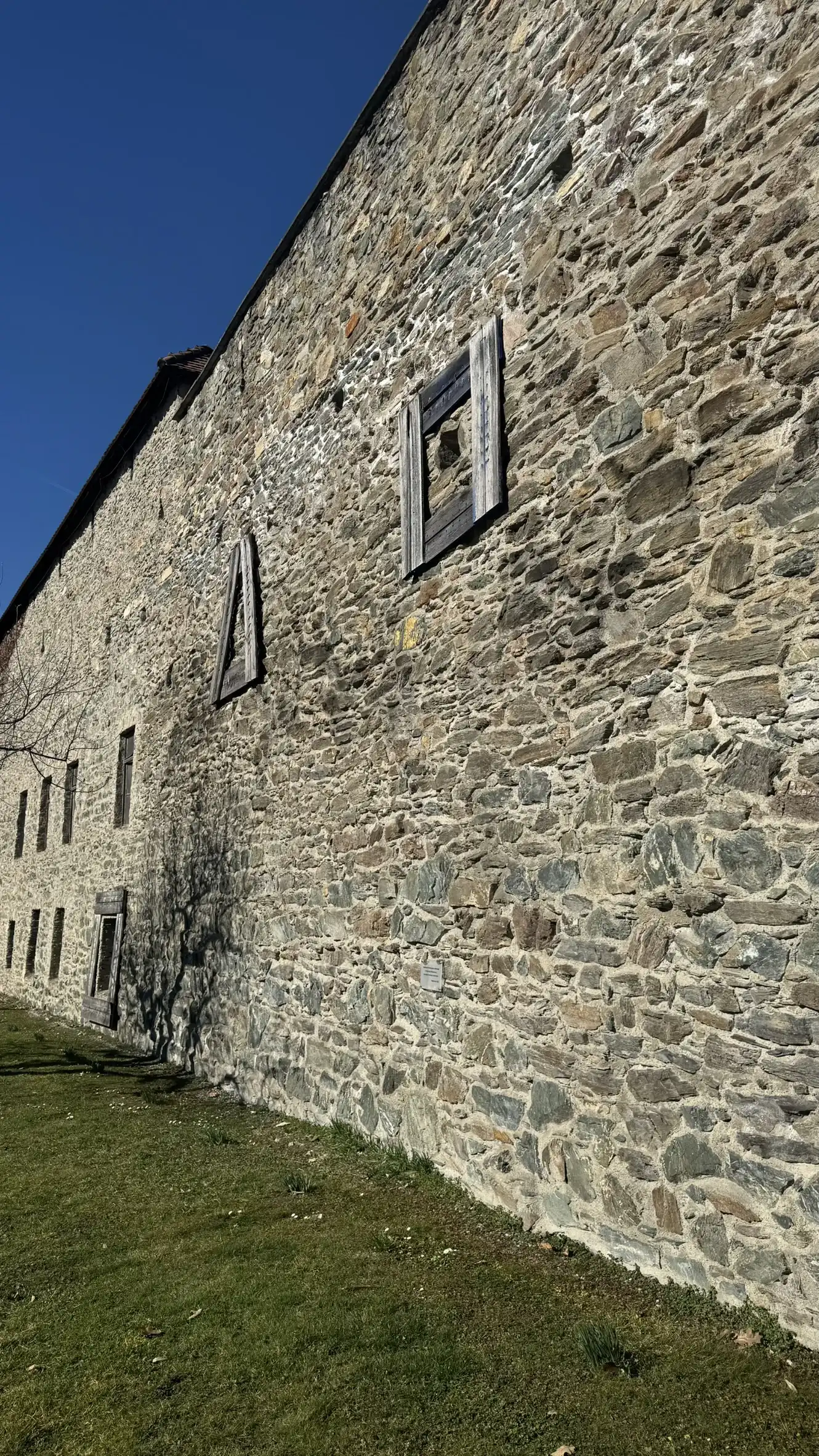
The town wall next to the Skulpturenpark
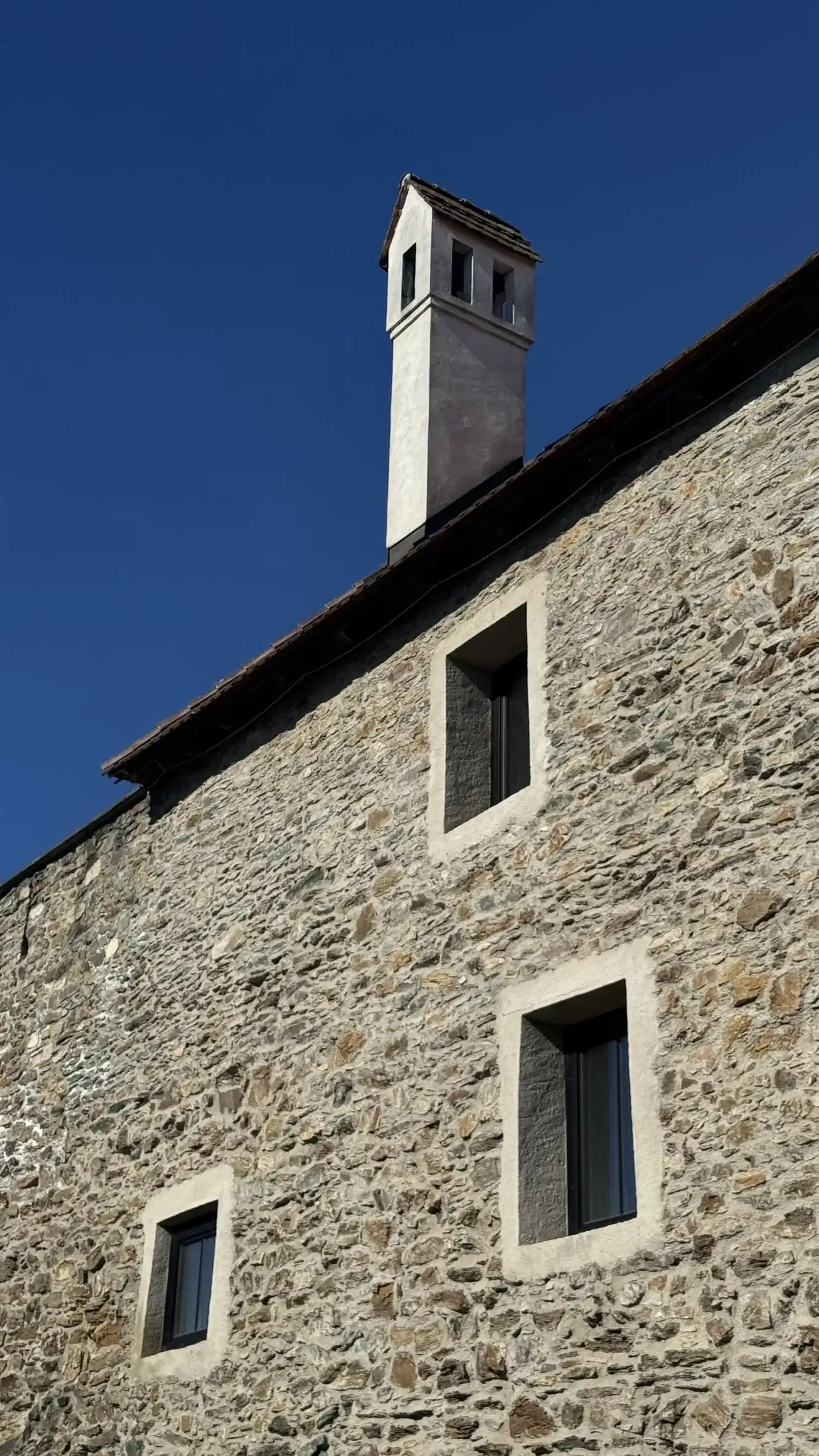
Rectangular windows and chimney – modern additions to the wall
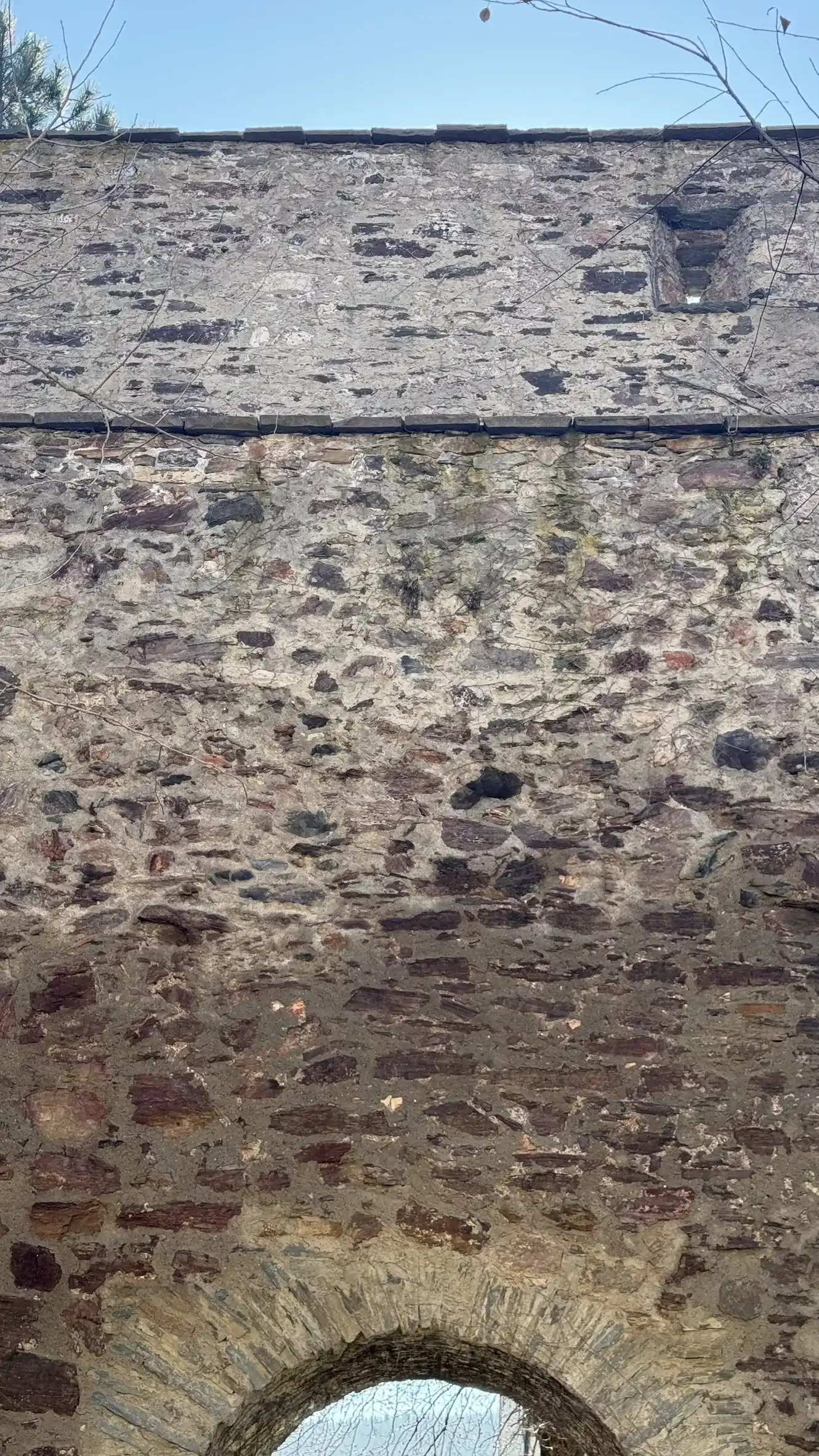
The tall section of the wall above the arched gate
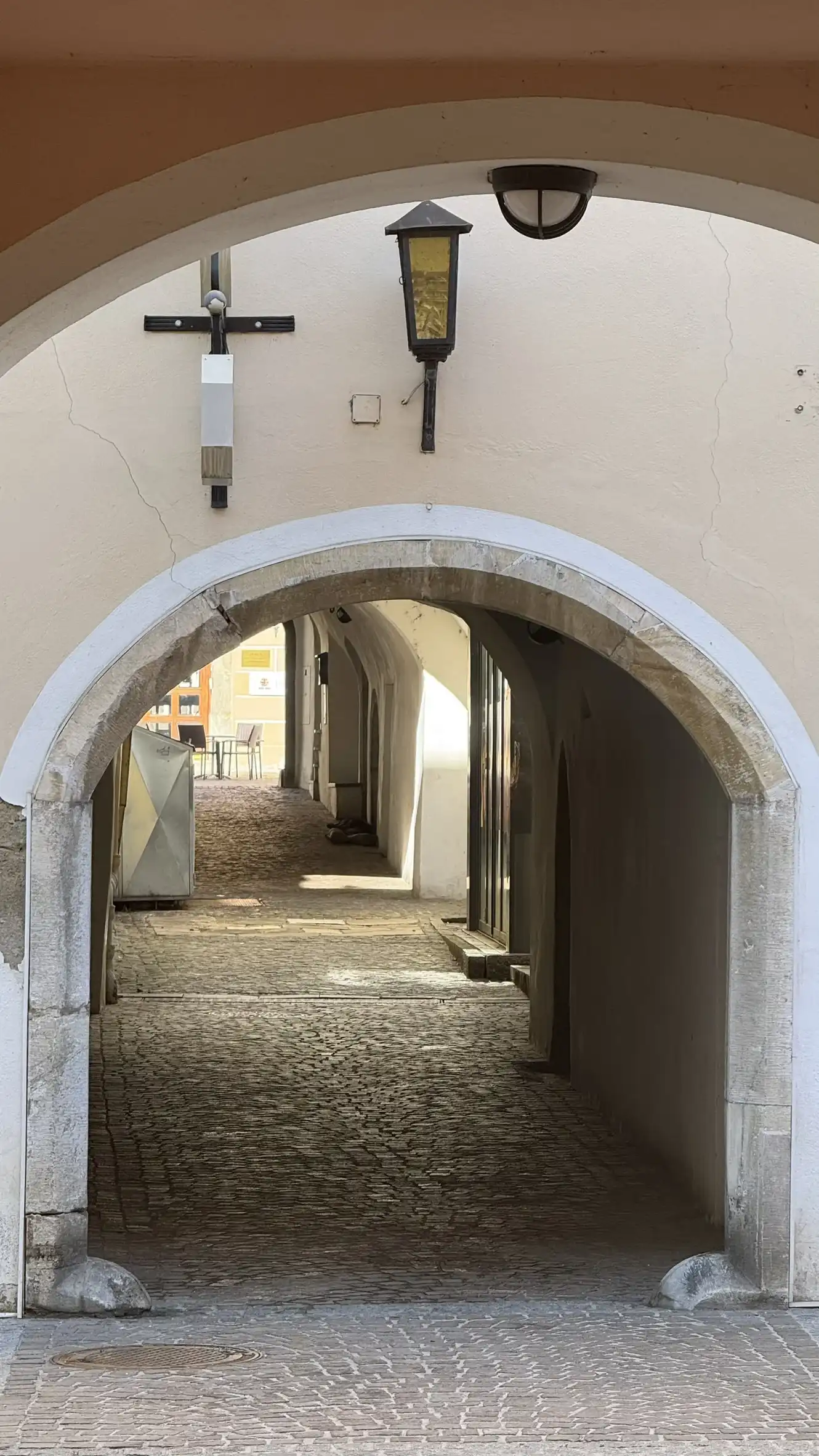
Sudetengasse, an arched passageway
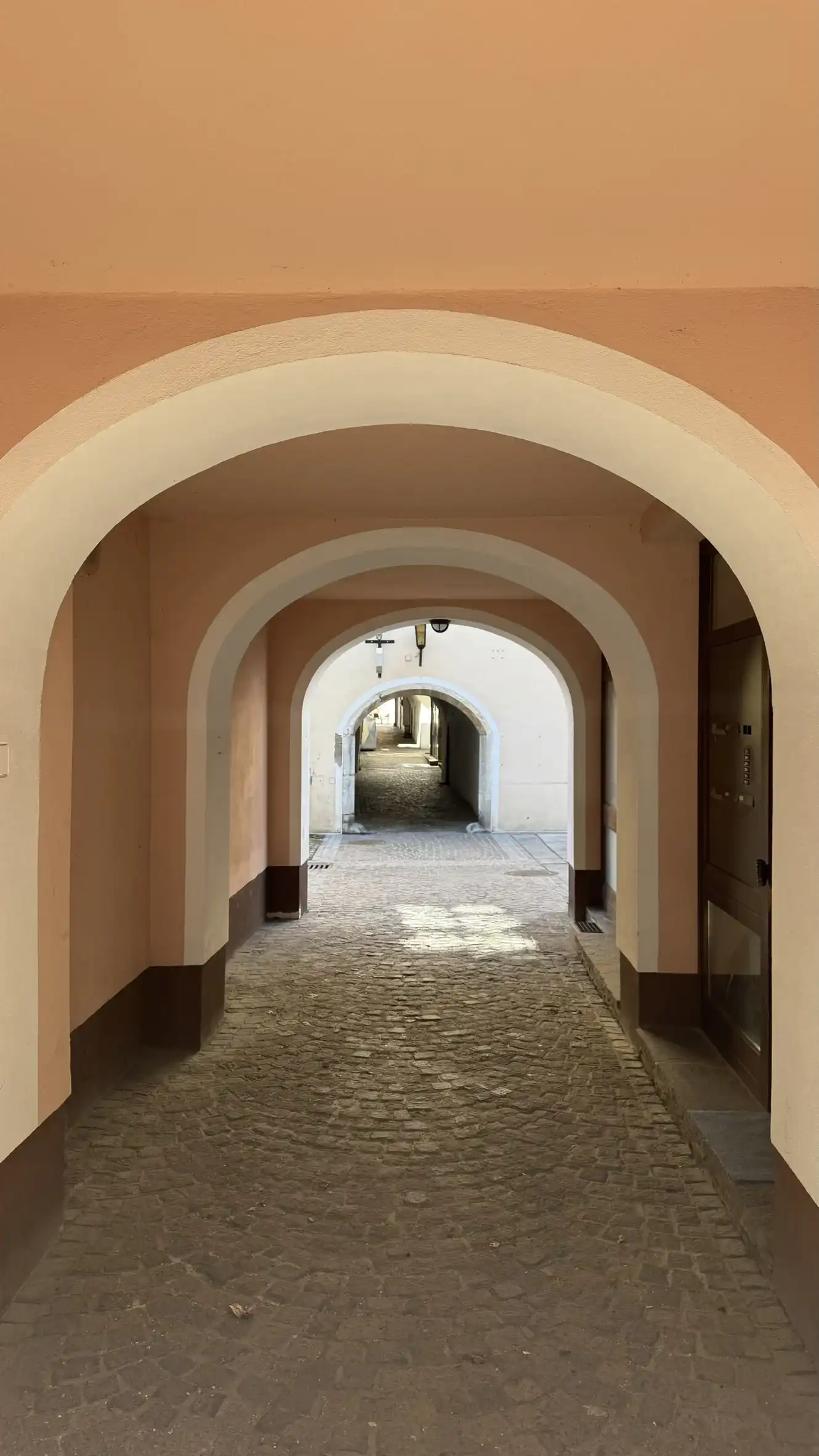
Sudetengasse with its multiple arches
A mosaic on the wall of the arched passage, depicting St. Veit an der Glan in 1727
Bernhard von Spanheim (born c. 1176/1181; died 1256)
Bernhard von Spanheim ruled as Duke of Carinthia from 1202 to 1256. Son of Hermann II and Agnes of Austria, he succeeded his brother Ulrich II and established his power around St Veit, Klagenfurt, and Völkermarkt.
A skilled politician, he supported the Hohenstaufens and oversaw major urban and economic developments. He relocated Klagenfurt, granted it city rights in 1252, and founded a mint in StVeit. He also secured key Alpine passes and established the Cistercian monastery of Mariabrunn.
Bernhard married Judith of Bohemia, with whom he had four children, including Ulrich III and Philip, future church leaders. He died in 1256 in Völkermarkt and was buried at StPaul in the Lavant Valley.
With no surviving male heirs, he named Margrave OttokarIII of Bohemia as his successor, marking the decline of Spanheim power.